



























Tuscan cuisine enchants with the simplicity of its ingredients and rustic charm
A region with a unique gastronomic identity and an inexhaustible culinary culture. They say that Tuscany learned to use poor ingredients to reveal aristocratic flavors.
One of the Toscana that enchants not only for the bucolic landscapes of wheat plantations surrounded by cypress trees, or for the romantic scenes of Florence, with its Renaissance architecture, but also for the taste of its peasant recipes, with simple but necessarily natural and fresh.
A region that reveals recipes handed down from ancient times, but which maintains its rustic charm.
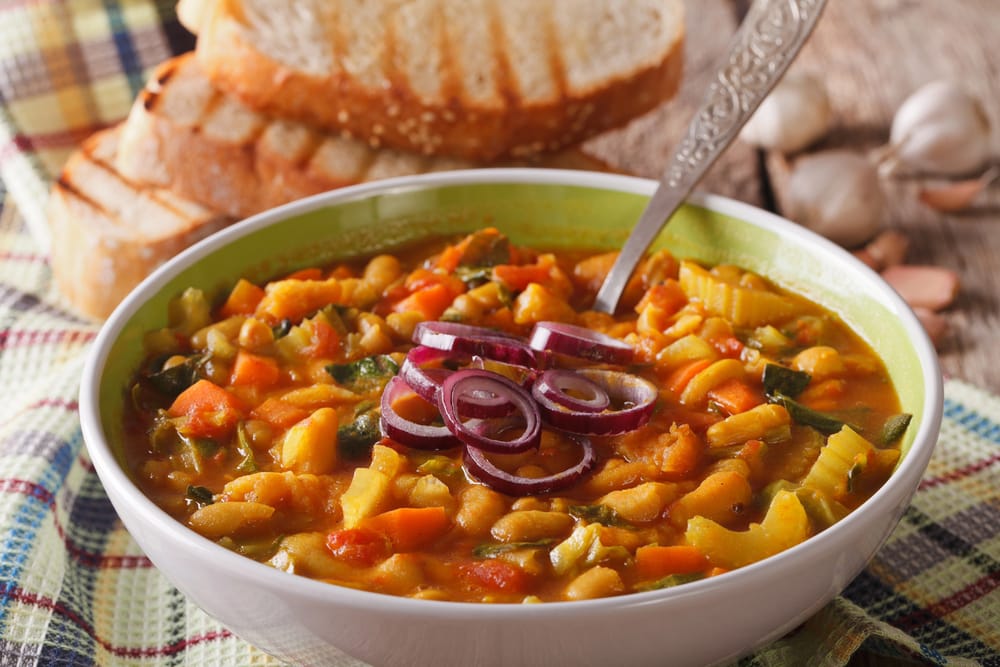
Da Bruschetta the soup ribollita (bread with vegetables), steak Florentine ao cacciucco (a fish stew), including almond biscuits Cantuccini, soaked in the liqueur Santo wine.

The Supreme Court reaffirmed: citizenship is born with the person.
- New legal front opened
- Processes can still be filed.
- Individual assessment before any decision.
In Tuscan food, bread is the absolute protagonist on the tables of rich and poor, but always without salt, prepared in different ways and flavors.
Our journey through the “Kitchens of Italy” begins here
We disembark in Florence, the capital of Tuscany. Our starting point for our gastronomic journey through 20 Regions of Italy.
From the capital and its hills around Mugello, Valdarno, Certaldo and Chianti, pecorino cheese and raw ham cut with a knife, homemade tagliatelle, always served with a good wine.
Tuscany is home to some of the most notable wine regions in the world. Brunello di Montalcino DOCG (red wines), Chianti, symbol of the Tuscan grape, Montecucco e Vernaccia – the best wine in the region, according to the guide Vinibuoni d'Italia 2020.
The medieval lampredotto and noble Florentine steak
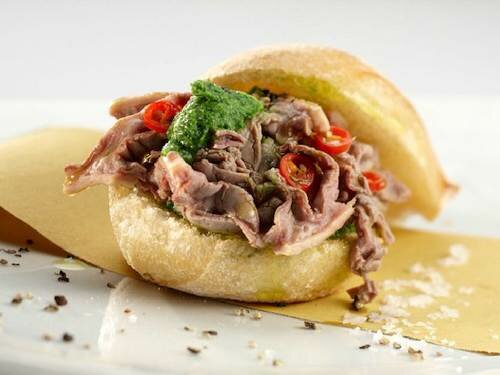
Still in Florence, experiments lampredotto, a typical Florentine street food. The sandwich is made from a part of the beef stomach called the abomasum, which is slowly cooked for several hours and then seasoned with green salsa, pepper, and salt.
Despite looking medieval, the flavor is smooth and truly surprising.
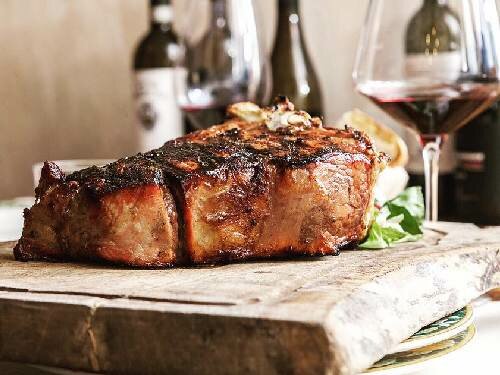
But nothing beats beef Florentine, a Florentine steak, a thick steak made from sirloin and filet mignon, usually from an animal of the Chianina breed, aged 10 to 15 months.
Roasted on a grill placed over burning coals, it cannot be cooked too much because its beauty is that, by cutting, it releases the meat juice onto the dish.
Da tomato soup à Panzanella
Along the road between Radda and Castellina, we stopped at a tractor to experience the tomato soup, perhaps the dish with the greatest representation of cucina povera, Tuscan (poor cuisine). The recipe uses stale bread, tomatoes, basil, garlic and oil. Simple but divine.
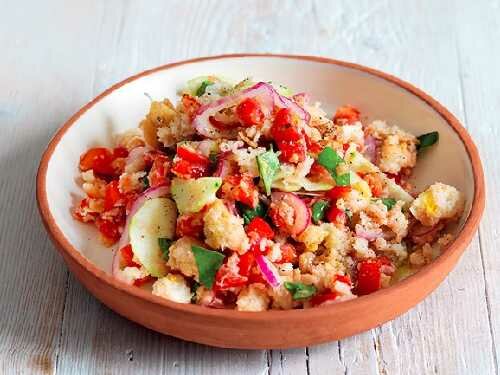
Land also of Panzanella, made with stale bread, rock onion, fresh basil, olive oil, vinegar and salt. For this recipe, you must soak the bread in water for about ten minutes, then squeeze it and add, if desired, the other ingredients such as tomato and cucumber. The dish should be served cold, which is why it is one of the typical summer dishes in Tuscany.
From Pistoia to Livorno
Going further, you get to know Pistoia's typical culinary tradition, based on sheep's cheese, chestnuts and mushrooms from the surrounding forest, offered in various dishes depending on the season.
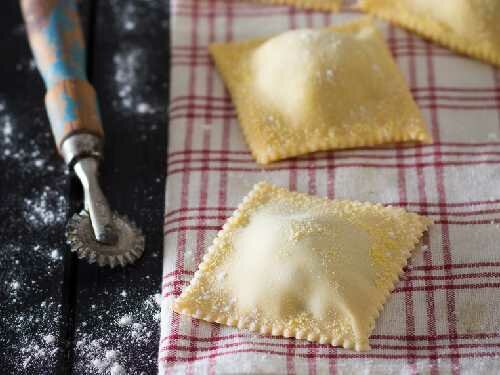
There is no shortage of fresh, hand-cut pasta, such as tagliatelle with wild boar juice cooked for at least 24 hours, and tortelli maremmani, filled with fresh ricotta and spinach. Dishes that cheer the soul.
The journey of the Tuscan tractors continues towards Massa Carrara, home of the famous lardo de Colonnade, produced since Roman times.
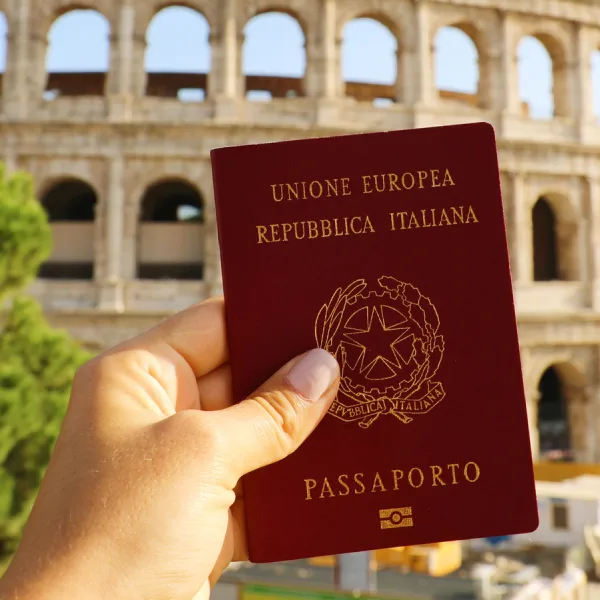
The Constitutional Court's decision changed the landscape. The new citizenship law will now be reviewed by the European Union's courts of justice.
Known as Tuscan caviar, or bacon of the gods, it is a layer of fat removed from the pig's back, seasoned with spices, which is cured for up to two years in Carrara marble basins.
Do cacciucco á ribollita
Descending along Tyrrhenian Tuscany, you will find the trattorias of Livorno, where the cacciucco, a fish and crustacean soup. Legend has it that you should use 5 different species, a change from the “C” in the name of the dish.
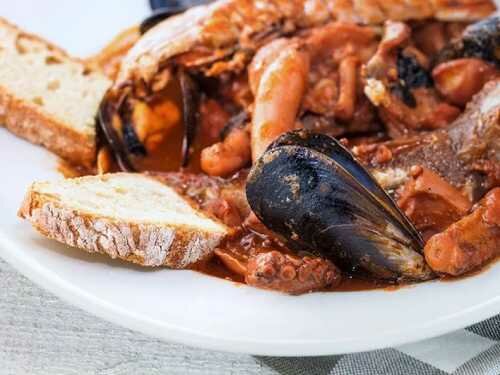
An extraordinary stew of fish and seafood, enriched with seasonal vegetables. The fish are cooked in the same pan, but at different times. An odyssey of flavors.
In the province of Arezzo, the menus still revolve around pasta, sauces, cheese and meat Chianina. But the representative of local cuisine is soup ribollita, which means re-cooked.
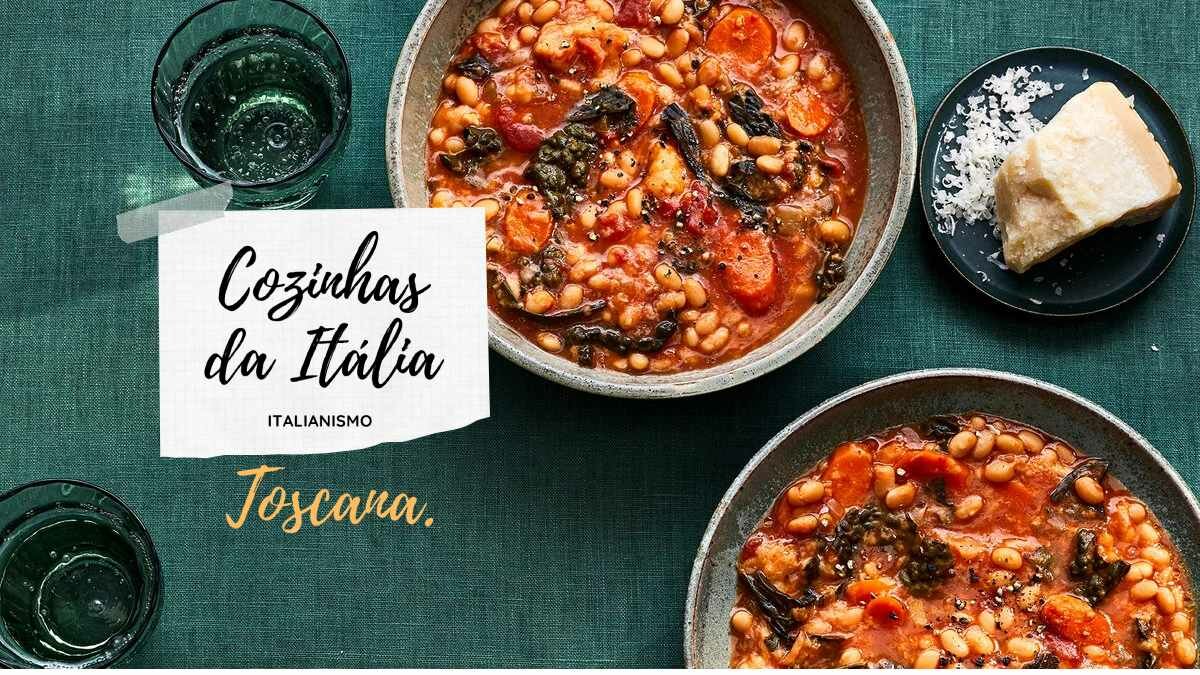
It is made with stale bread, white beans, olive oil, cabbage and some other vegetables. It's the kind of dish from the line comfort food.
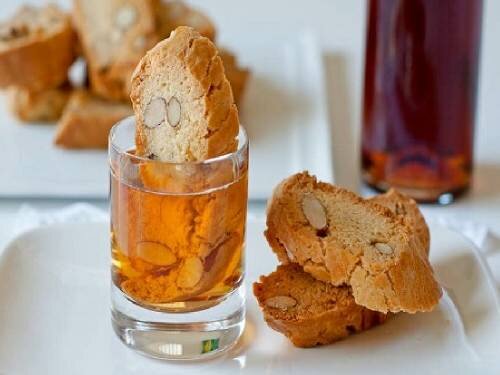
To finish our journey through the aristocratic flavors of Tuscany, Cantuccini soaked in “vin Santo”. Biscuits with a simple recipe, but consumed in the region since the Middle Ages.
Made with almonds, pistachios and other cereals, it is served with Tuscan liqueur wine.
We have reached the end of a journey through Tuscan cuisine.
Next Sunday, we will go up to the Veneto, the home of most Italian immigrants in Brazil.
Another region that presents us with spectacular cuisine, including polenta, bacon, carpaccio, Vincentian cod and Tiramisu.