


























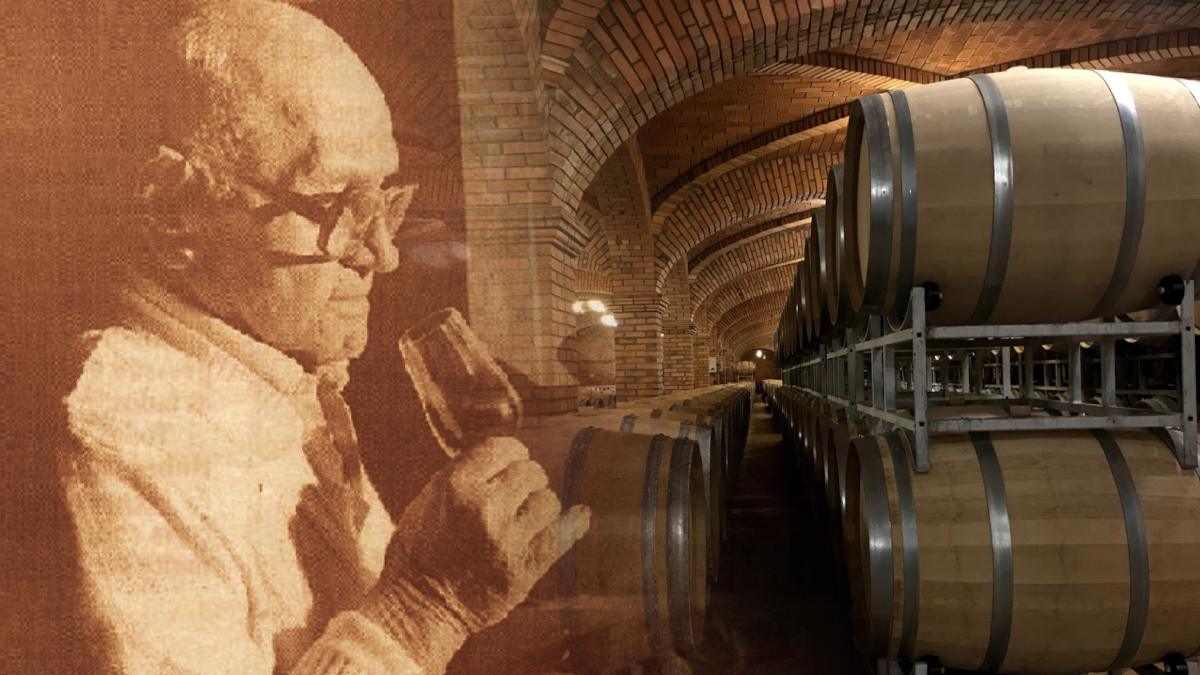
the italian Antonio Domenico Salton arrived in Brazil in the 19th century and made history. Its name is synonymous with one of the country's main wineries.
He left the Italian city of Cison Di Valmarino (where he was born on July 15, 1839), which is in the province of Treviso, region of Veneto, in Italy, in 1878, alongside his wife Rosa Isoton, his young son João Francisco and his newborn daughter.
The family came to settle in what was then Colônia Dona Isabel, which would become the municipality of Bento Gonçalves, in Rio Grande do Sul.
It turns out that, arriving at Port of Santos, a tragic event ended up profoundly altering the destiny of Santon family. The couple's newborn daughter was stolen. The incident would cause enormous sadness in the family and would culminate in Rosa's death, the result of deep depression.

The Supreme Court reaffirmed: citizenship is born with the person.
- New legal front opened
- Processes can still be filed.
- Individual assessment before any decision.
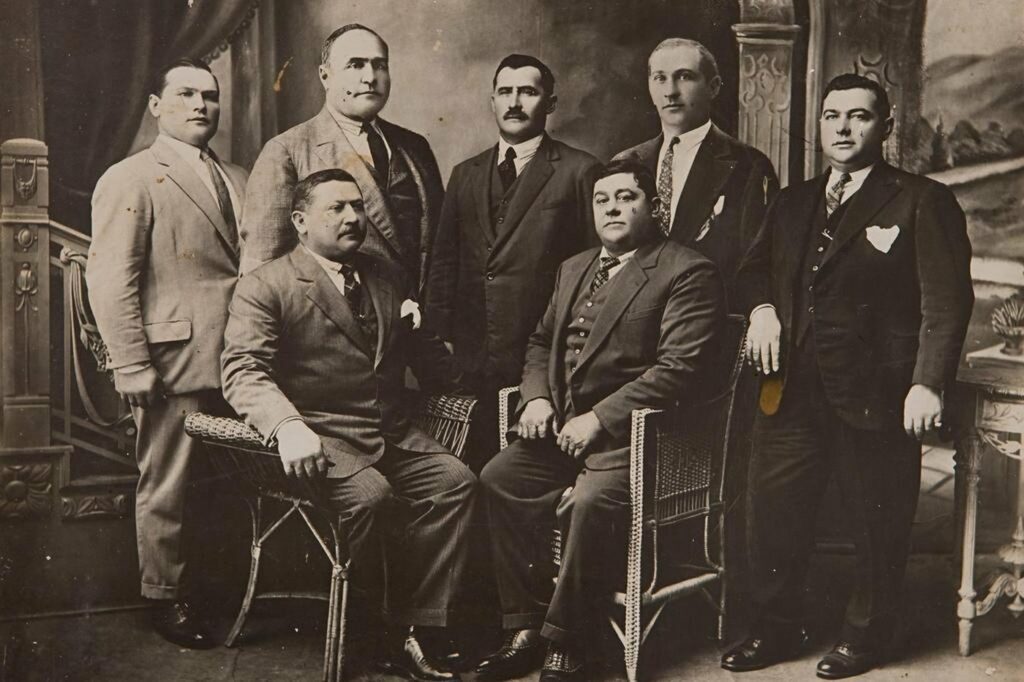
A few years later, Anthony Domenico He ends up marrying Lucia Canei and their children Rosa, Marieta, Paulo, Luis, José, Ana, Angelo, Zenaide, Antonio and Cesar are born from this union.
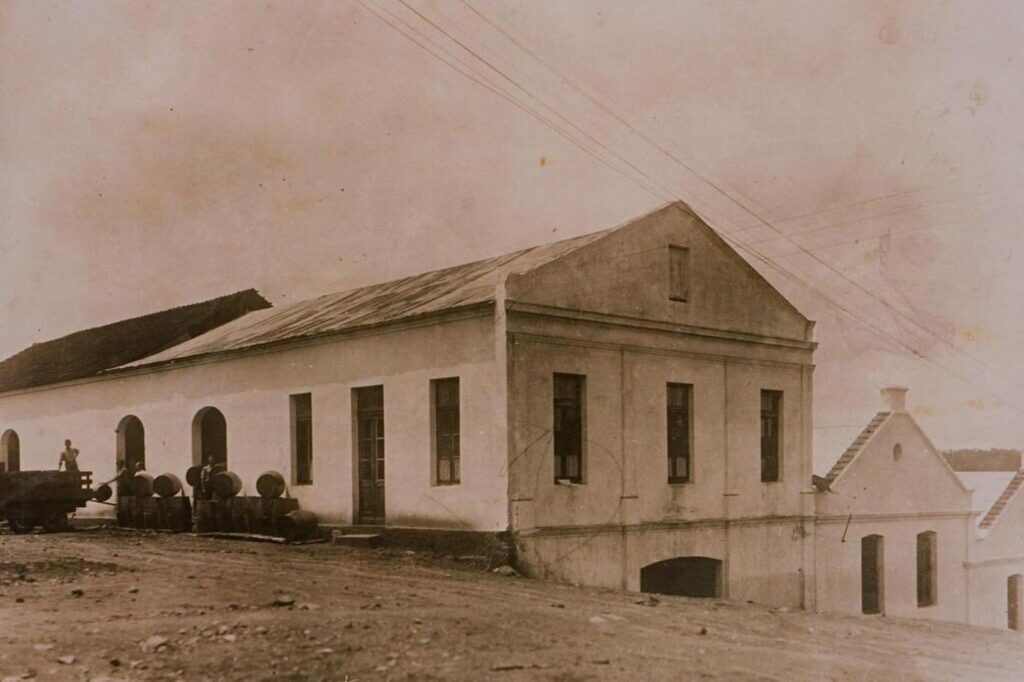
To ensure the livelihood of his large family, Italian immigrant Antonio Domenico Salton installs a Casa Di Pasto, a type of refectory that housed travelers, in front of the Church of Saint Anthony Church.
On the land behind the house, there were some parreiras, who guaranteed the wine served to customers, since at the time it was customary for immigrants to informally make “house wine”. Thus, from 1893 onwards, Casa Di Pasto became part of the circuit of trade by Bento Gonçalves.
Official Salton Winery Foundation
After the death of Antonio Domenico, his eldest son, Paulo Salton, who was active at Funilaria Luigi Arioli, took over his father's Casa di Pasto.
His first step was to legalize the establishment that, on August 25, 1910, came to be called Paulo Salton Armazéns Gerais. This would, in fact, be the official date of the founding of Salton Winery.
From 1922 onwards, the brothers decided to join the business and expanded the offer beyond the borders of Rio Grande do Sul.
In 1925, brothers José and Cesar Salton went to São Paulo to sell Brazilian products. Serra Gaucha, which wasn’t just the wines. Until 1940, the brothers slaughtered pigs to produce salami and also produced cheese.
Since the mid-1920s, the company Salton & Brothers it was already classified as a large industry, with an annual production of 120 thousand liters of wine, 12 thousand kilos of cheese and 150 thousand kilos of salami.
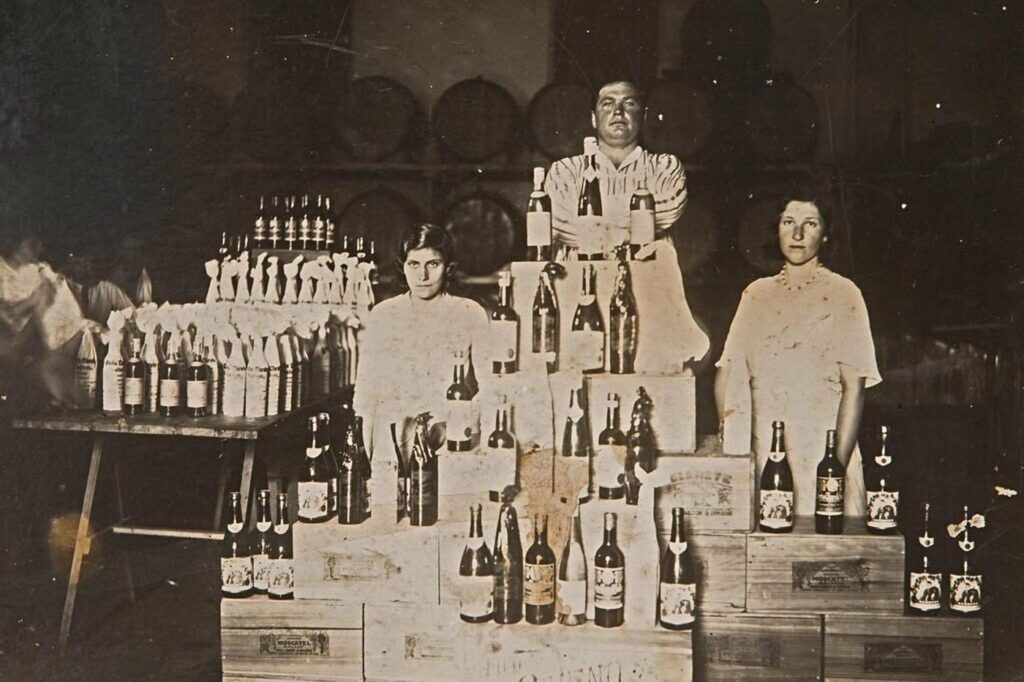
At the time, there was even a branch on Estrada Geral (Tuiuty-Bento Gonçalves), a commercial representative in São Paulo and a steam sawmill in Nova Prata-RS, as well as a mill for flour production.
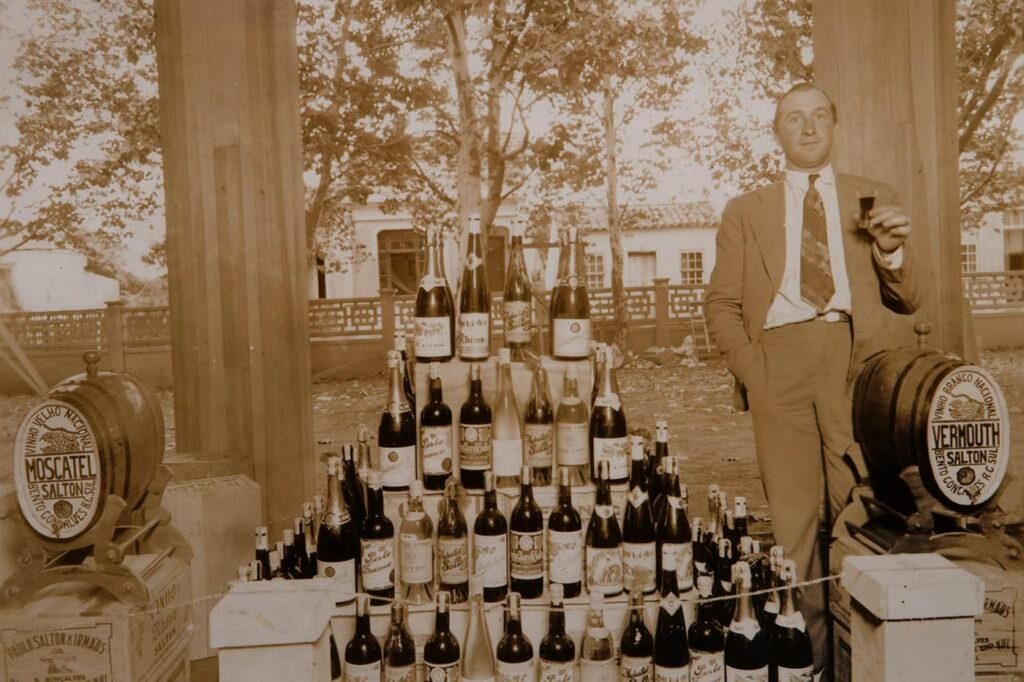
In 1933, the company began to manufacture sparkling wines, in the champenoise (traditional) process, with initial production of Brut and Medium Sweet. In 1948, Salton began designing a unit in the capital of São Paulo, which opened two years later.
The birth of Canonical Wine
In the 1940s, Salton began production of the Canonical Wine, the traditional wine specifically for masses, following the recipe of Vatican.
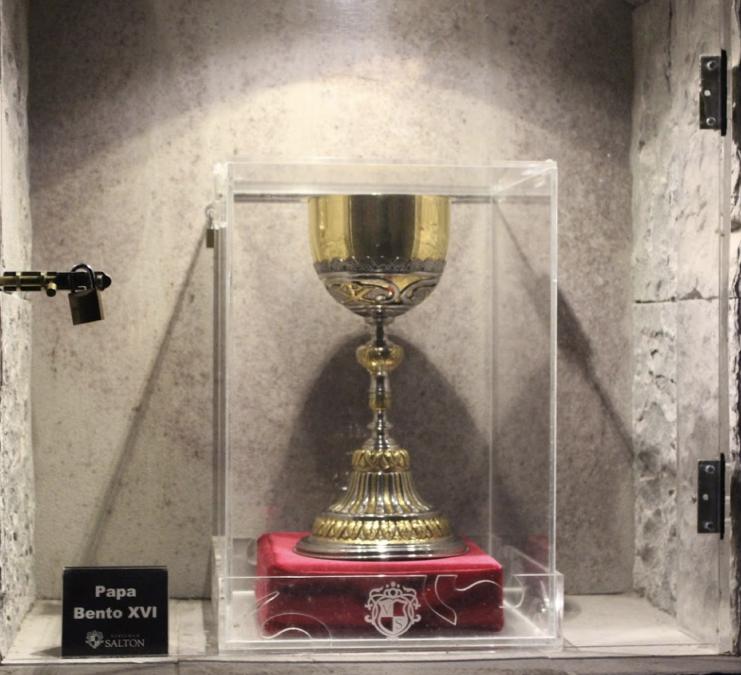
The significant number of foreign priests in Bento Gonçalves motivated the Spanish priest Franco, responsible for the Igreja Matriz de Santo Antônio, to cross the street to talk to Nini Salton, as Antonio Salton, one of the founders of the winery and the family's first winemaker, was known.
The conversation resulted in the creation of a specific wine for masses, drawn up along the same lines used by the European church.
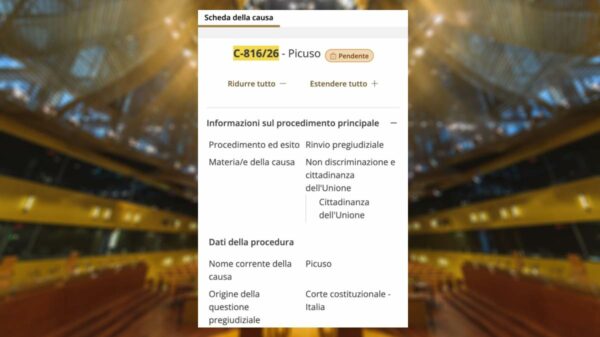
The Constitutional Court's decision changed the landscape. The new citizenship law will now be reviewed by the European Union's courts of justice.
The higher alcohol content and the high sugar concentration of this type of wine have the function of preserving the product for longer, considering its slow consumption, at each mass..
Currently the Salton Canonical Wine serves Catholic churches across the country.
The future remains in the hands of the family
The winery ended 2019 with 36,8 million bottles sold and a 17,5% growth in revenue compared to the previous year.
Sparkling wines represent 41% of its revenue, followed by spirits, with 24%, wines, with 22%, and non-alcoholic drinks, with 13%.
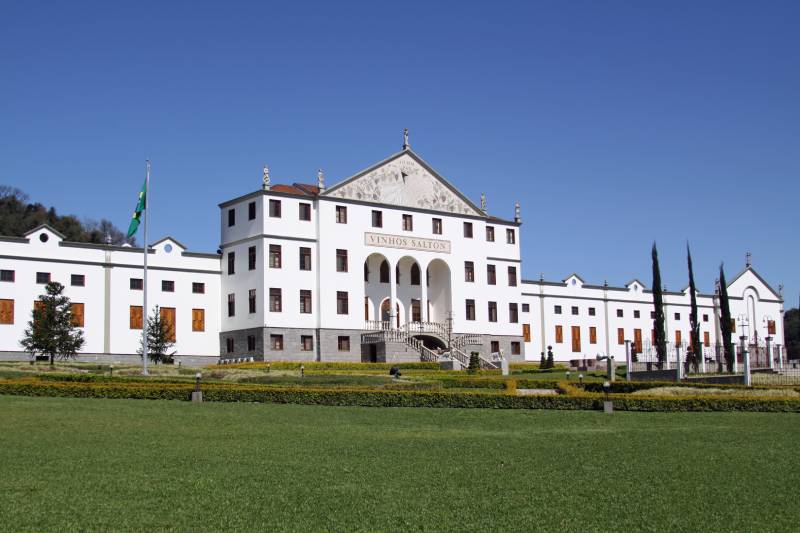
In 2020 the company celebrated 110 years of history collecting international awards and as a leader in the national sparkling wine market for 15 years, as well as number 1 among the most recognized wine brands in Brazil (according to Wine Intelligence, search Global Wine Brand Power).
Only in 2019 were they exported 800 thousand bottles to 25 countries. In addition to the United States, the company sells its products to Asia, Europe and the Americas, as well as markets such as Guinea, Nigeria and Angola.
And the company runs in the family. In 2018, the executive presidency was transferred from Daniel Salton, a third-generation member of the Italian immigrant family, to his son Mauricio Salton.
The same blood and the same workforce to overcome life's adversities will continue to lead the company towards what the future reservation.
Watch the documentary: “Salton family 110 years: a legacy as destiny"
By Roberto Schiavon/Italianism