













Urbanist Stefano Boeri believes that Lombardy, in northern Italy, will have to change its face
Known around the world for his “vertical forests”, renowned architect and urban planner Stefano Boeri states that, after the new coronavirus pandemic, a “new era” will begin, more ecological and without fossil energy.
In a conversation on Facebook with foreign correspondents, Boeri admits that the capital of Lombardy, the region most affected by the pandemic with more than 13.000 of the almost 27.000 deaths across the country, will have to change its face.
“Returning to normality would be very serious”, he warns.
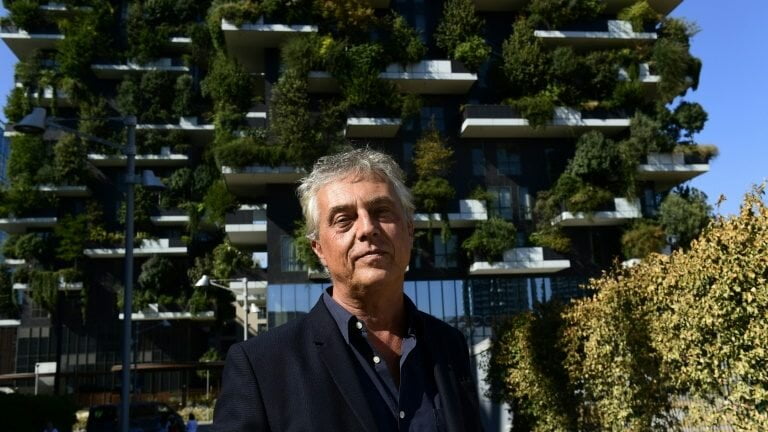
“Normalcy is one of the causes of this disaster,” says Boeri, known for his innovative projects, in which he covers skyscrapers with vegetation and combines ecology, sustainability and forest recovery.

Law 74/2025 is being challenged in the Court of Justice of the European Union. For thousands of descendants, the next step depends on understanding how the new rule has affected each case.
Your case may still have a legal outcome.
ANALYZE MY CASETogether with a group of scholars, sociologists, anthropologists, urban planners, artists, he is reflecting on how to break down the “biological wall” that the coronavirus imposes on people and introduce a new model of life.
As Italian authorities prepare the economic recovery and the gradual end of confinement from May 4th with new social rules, Boeri launched a national proposal that could change the future of the peninsula and serve as a model for many countries.
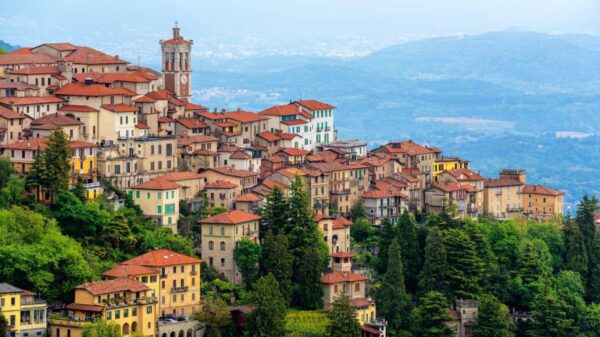
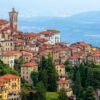
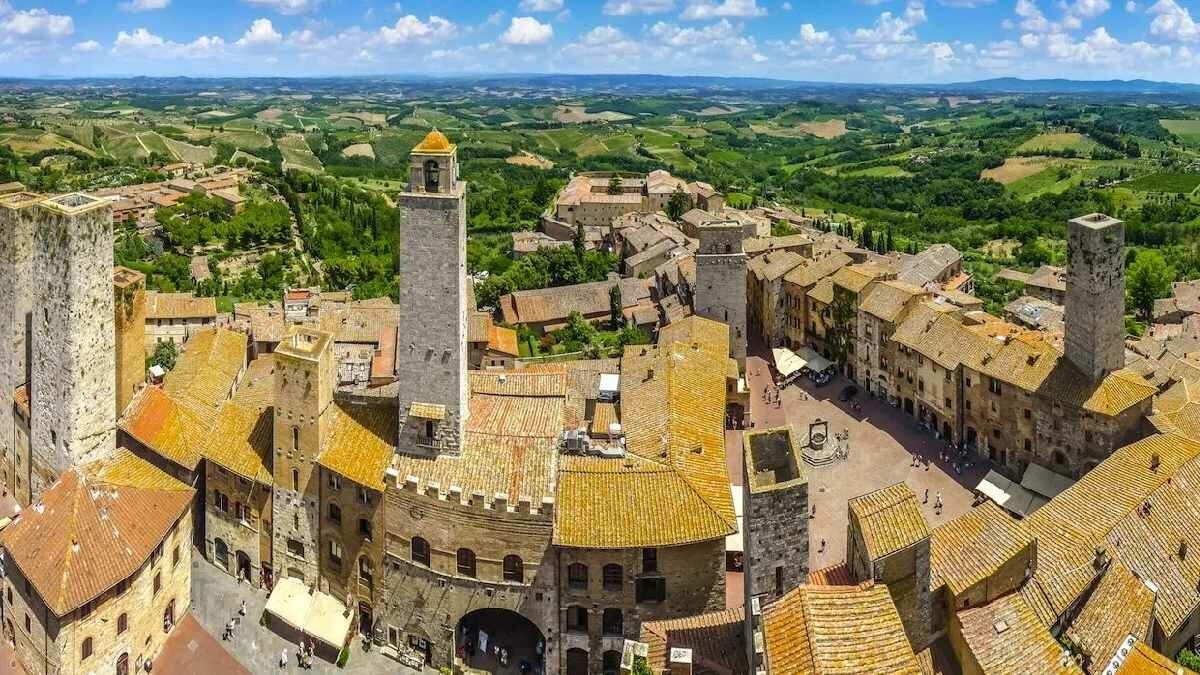
“Return to the villages”
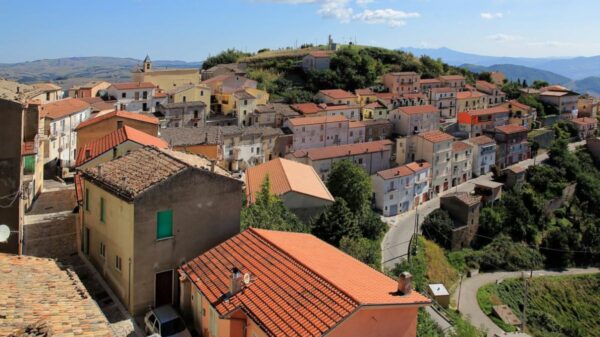
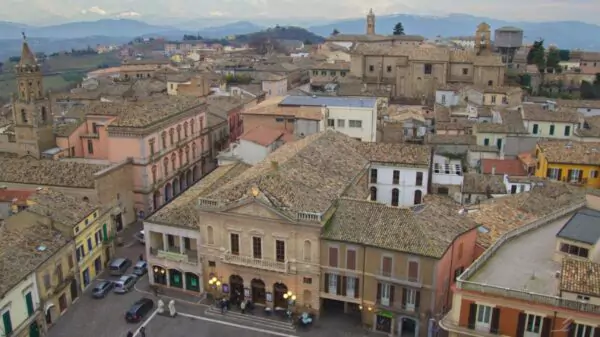
“It’s a national project. Italy has 5.800 villages with fewer than 5.000 inhabitants, 2.300 of which are almost abandoned. If the country’s 14 metropolitan regions adopt these villages, (…) by giving them tax advantages, adequate means of transport, etc., that would be the way out. It’s the future,” he told the newspaper “La Repubblica.”
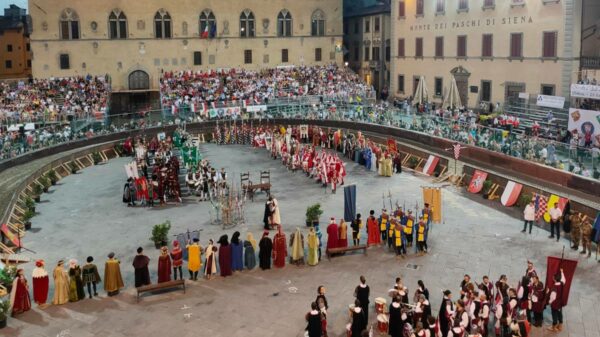
Medieval village in Tuscany seeks new residents to bring life back to life
“We understand that it is possible to work remotely and that we will spend long periods at home. This process needs to be managed. The countryside makes this easier, because it is necessary to leave the urban space free”, explains the urban planner.
Boeri's idea, which arises precisely from the global emergency generated by the coronavirus, coincides with the question and, in turn, the theme of the Venice Architecture Biennale that will be celebrated this year.
The XVII edition, whose opening scheduled for May was postponed until the end of August, was convened under the question “How will we live together?”, in other words, “How will we live together?”.
Curator Hashim Sarkis' question paradoxically forces the world of architecture to vacate public space and make collective activity disappear.
“We will have to modify the opening hours of public offices so that they do not coincide with those of schools and avoid large flows of travelers. Everything external will be crucial. We need to take space away from cars and focus on green”, emphasizes Boeri.