

























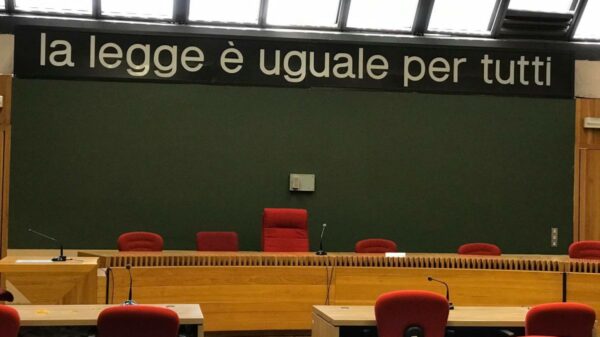










The Turin Court of Appeal acquitted with final sentence Four Brazilian citizens residing in northern Italy have been accused of fraud in the practices of obtaining Italian citizenship by descent (jure sanguinis).
The decision puts an end to the process started with the “Super Santos” operation, held in March 2019, by the State Police of Verbania, in Piedmont. At the time, seven people were arrested on suspicion of forging residence records of Italian-Brazilian citizens to facilitate citizenship applications.
According to sentence no. 3762, the defendants Greicy Kelly Krausse, William Quagliotto, Mauro Zanella e Marli Therese Fernandes were acquitted because “the fact did not exist”. The Court recognized that there was no deception on the part of the accused to mislead the civil registry officials.
The defense, led by attorneys Eugenio Fornaroli and Gessica Colli, argued that there was no intent to commit fraud. The court accepted the argument, stating that the documents analyzed and the wiretaps did not indicate any intention to commit fraud. It also highlighted the ambiguity in the interpretation of the rules on residency, which had even confused local administrators.
Tarnished reputations
Despite their acquittal, those involved faced five years of personal and social distress. At the time of their arrests, their names were published in the local press, contributing to the stigma.
The defense is now seeking the public rehabilitation of the accused's image.
In addition to the damage to their reputation, the defendants reported significant financial losses resulting from the legal measures and the prolonged period of uncertainty. “There are moral and psychological damages to our children, and financial damages because I had to close an office and my houses too,” said Greicy Kelly Krausse.
Legal context and impact on Italian citizenship
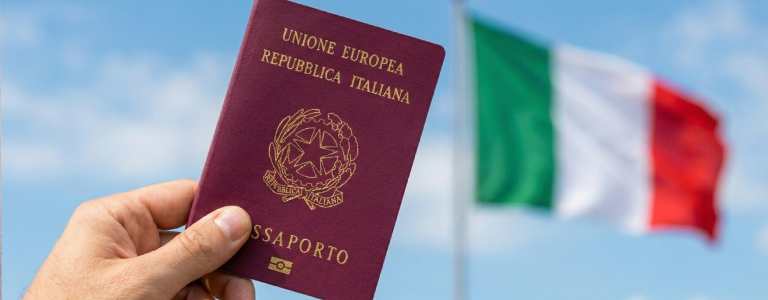
The decision comes shortly after the approval of the Law No. 74 / 2025This new rule limits the recognition of Italian citizenship by descent (jure sanguinis) to direct descendants up to the second generation—children or grandchildren of Italians born in Italy. The new rule has intensified debates about the right to citizenship and the validity of previous processes.
The Super Santos case has often been cited as an example of alleged irregularities. However, the judicial outcome dismantles this narrative, showing that there was no illegality in the practices of the acquitted defendants.