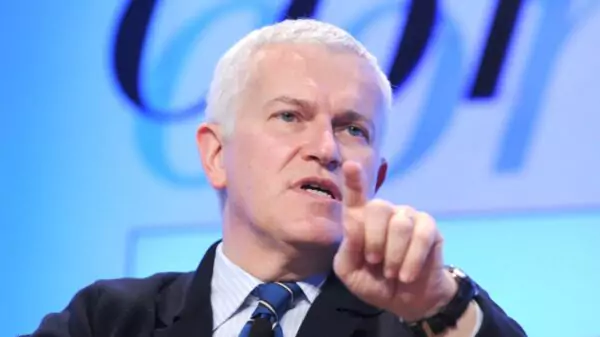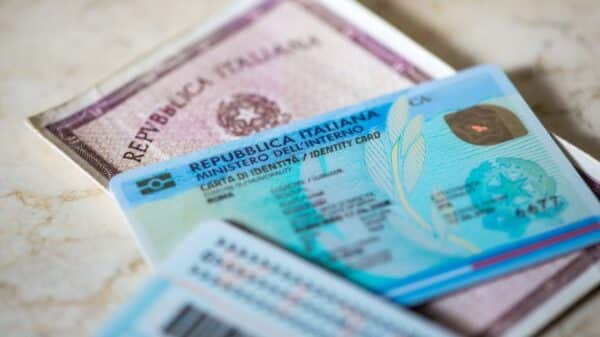











"Italian citizenship is a serious matter." The phrase, uttered in March by Deputy Prime Minister Antonio Tajani, sounded like an authoritative diagnosis of the wave of Latin American descendants seeking their long-awaited Italian citizenship. But all it took was for the Public Prosecutor's Office to do the bare minimum—investigate—to discover that, if there is any trickery, it begins in the government offices.
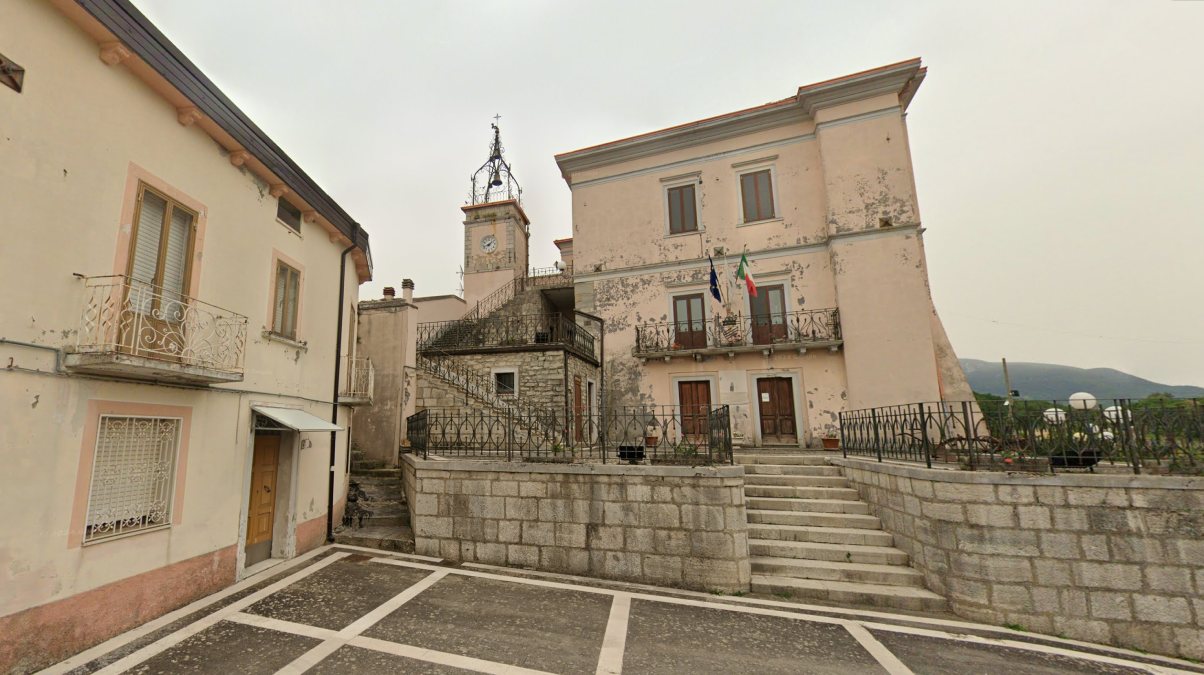
The new Italian citizenship scandal has exploded in two small, unassuming towns in Val di Sangro: Montebello sul Sangro and Borrello. Abruzzo regionAccording to the Lanciano Prosecutor's Office, a system for granting citizenship that was as efficient as it was lucrative flourished in these municipalities. And, contrary to what the minister insinuated, the operators of the scheme were not in the consulting agencies, but in the Italian municipalities.
Two mayors are now facing charges of corruption, criminal association, and falsifying documents. Also on the list are public officials and businesspeople brimming with creativity and practicality. The targets? People of South American descent, mainly Argentinians and Brazilians. The methods? Fictitious residences, expedited processes, friendly stamps, and a friendly "PIX" (Brazilian instant payment system) between 2.500 and 5.000 euros.
The mechanics were ingenious. The new Italian “residents” appeared like ghosts in abandoned buildings, deactivated hotels, and houses where not even the postman went. But everything was in order on the birth certificate: perfectly Italian, with the right to register with AIRE as soon as citizenship was granted, so as not to weigh on local demographic statistics. After all, one cannot allow a corruption scheme to interfere with Istat, the “Italian IBGE” (Brazilian Institute of Geography and Statistics).
The key employee in the system was Luciano Nicola Giampaolo, a civil servant who—of all people—worked in both municipalities. A true multitasking talent. The accusation? Accepting money and "other favors" to turn the citizen service queue into a toboggan run. Efficiency is everything.
The scheme would have two well-defined arms: one for the "hermanos" (Argentinians), led by Adrian Mario Luciano and Marcela Elena Clavaschino; the other for the Brazilians, under the command of Mauro Paolini and the brothers Felipe and Marco Carrer Cruz. The globalization of improvisation.
The mayors, however, reportedly received more than just applause. Nicola Di Fabrizio, of Montebello sul Sangro, allegedly received direct benefits. Armando Di Luca, of Borrello, is accused of boosting his electoral base with a package of imported votes, thanks to fictitious registrations before the June 2024 election. All within the spirit of local civic engagement.
In total, more than 280 cases are believed to have been fraudulent. The number is impressive, but not as much as the institutional silence surrounding the scandal. Minister Tajani has not yet commented. Perhaps because, in this case, the crooks aren't speaking Spanish or Portuguese. But they should be part of your electoral base.
Meanwhile, the municipal opposition is trying to salvage what remains of its credibility. In Borrello, councilors Carmine Evangelista and Gerardo Petrella have called for Di Luca's resignation. They suggested that the position be temporarily held by the vice-mayor, Vincenzo Di Benedetto, until the end of the legal proceedings. This is an attempt to maintain, at least on paper, administrative legality.
The preliminary hearing is scheduled for February 16, 2026. according to the Il Centro portalThe defense promises to present alternative versions of the facts. Perhaps they will argue that it was all just a social experiment about globalization, bureaucracy, and bending the rules.
Meanwhile, in the Italian countryside, citizenship remains a right. Or a service. It depends on the office.