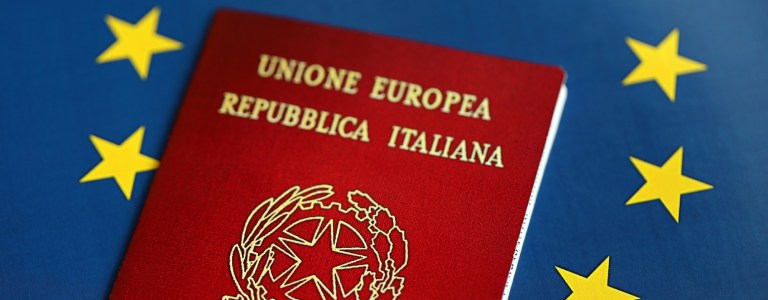





























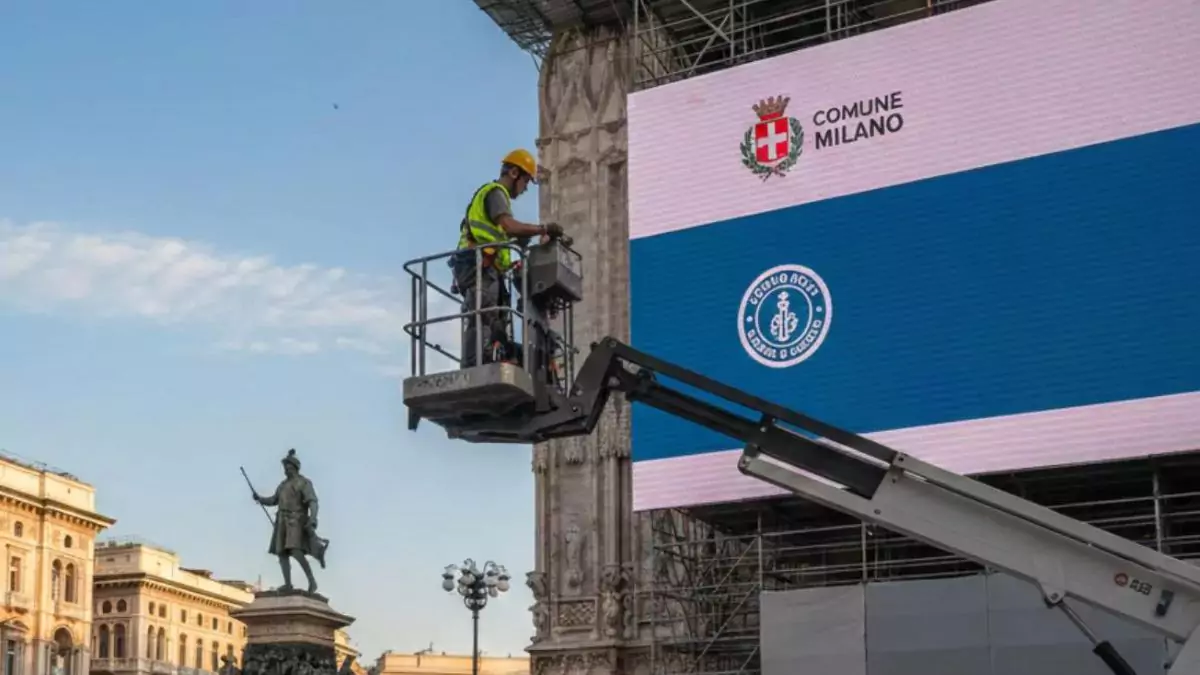
Italian citizenship through descent from an ancestor, a method known as swear sanguinis, accounted for only 160 of the 9.404 citizenships granted or recognized in Milan in 2025. The data comes from the city hall.
The total number of new citizens exceeded the 9.022 registrations of 2024. Most arrived in passport through other means, not through Italian ancestry.
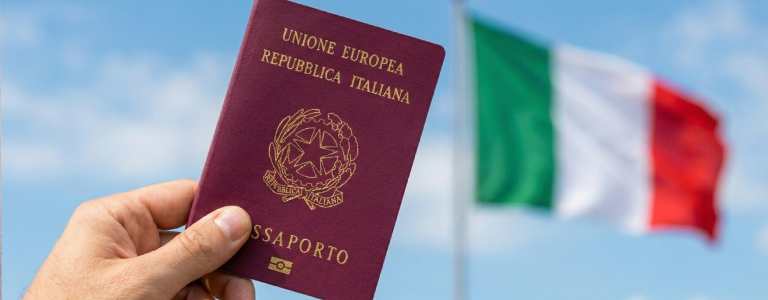
The length of residency was the most common route. There were 5.216 people who had lived continuously in Italy for at least ten years.
Another 2.403 were minors who received citizenship after one of their parents obtained it. Young people who gained the right upon turning 18 totaled 1.137, and 482 people became citizens through marriage.
Completing the picture are the 5 minors recognized as children of Italian citizens and 1 adopted minor.
The main communities of origin remained stable compared to 2024. Egypt led, with 2.225 citizenships, followed by the Philippines (1.362) and Peru (1.046).
The list continues with Bangladesh (660), Ecuador (647), Morocco (388), Sri Lanka (346), Albania (306), Ukraine (213), Romania (200) and China (185).
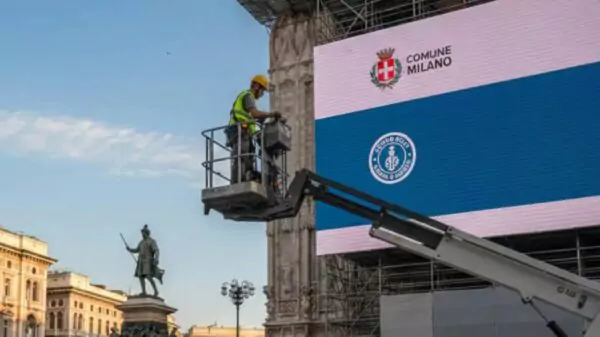
To mark the handover, the city hall and the nine districts of Milan promoted the third edition of the “Milanesi dal primo giorno” program. (Milanese from day one)The ceremonies continue until June 6th and have already gathered around 300 citizens.
At the meetings, each new citizen receives a copy of Italian Constitution and is familiar with the services offered by the districts.
Civic Services advisor Gaia Romani stated that recognition produces concrete effects in people's lives. "Citizenship often arrives after people's real lives," she said.
The advisor for Well-being and Health, Lamberto Bertolé, described the gesture as an act deserved by those who live and work in the city. He argued that national institutions should show more courage on the issue. (With information from the Municipality of Milan)