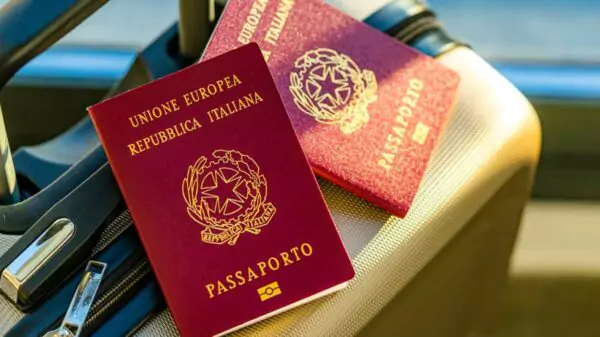





































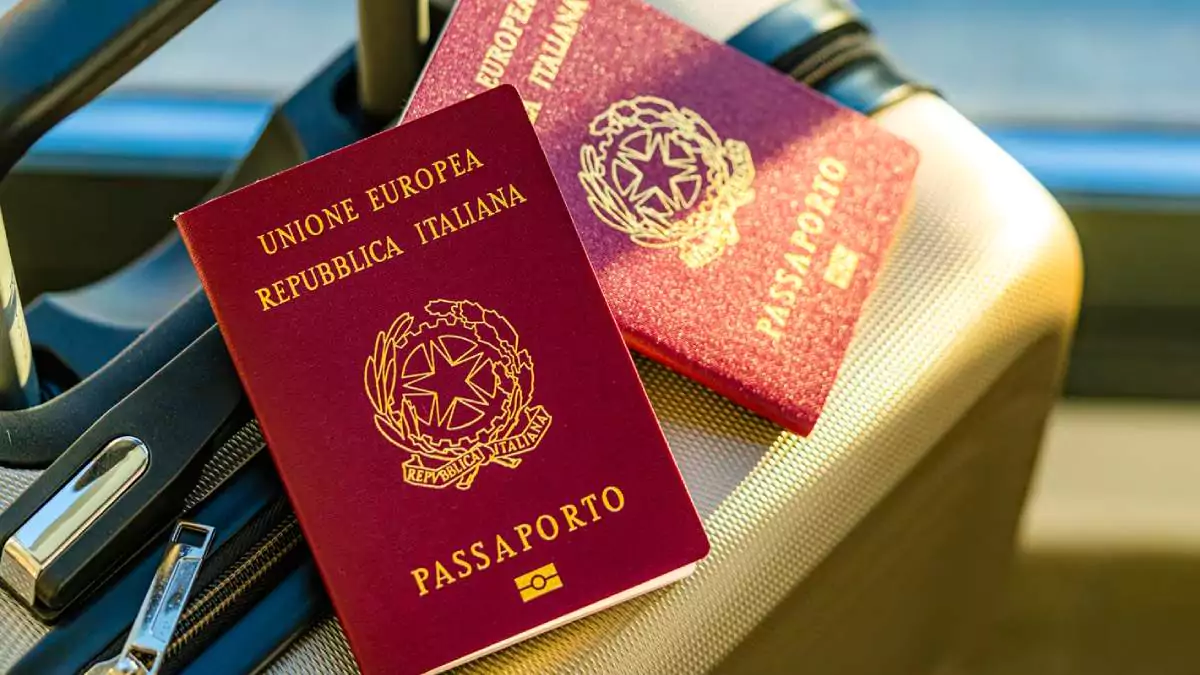
CNN in the United States described it as an "important legal victory" and a "historic turnaround." the decision by the Italian Court of Cassation that overturned the so-called minor issue., a thesis that blocked the recognition of Italian citizenship for thousands of descendants around the world.
According to the report signed by Julia BuckleyThe decision by the Sezioni Unite, the highest court of the Court of Cassation, was published on July 27 and reopens the path to citizenship for descendants born in countries of jus soli, such as Brazil, the United States, Argentina, and Canada.
The thesis, applied by first-instance judges since around 2019 and transformed into an official guideline by a government circular in October 2024, determined the loss of Italian citizenship for minors born in those countries when their parents became naturalized. Now, the Court has established the opposite understanding: a child who automatically acquired the citizenship of their country of birth did not lose their Italian citizenship when their parents renounced theirs.
The trial, held on April 14, examined the cases of three families, one Venezuelan and two American. Attorney Marco Mellone, who represented the American families, recalled the impact of the 2024 circular. "Thousands and thousands of families were denied. It was a nightmare," he told the network.

The Supreme Court reaffirmed: citizenship is born with the person.
- New legal front opened
- Processes can still be filed.
- Individual assessment before any decision.
What changes in practice
CNN notes that the victory does not mean automatic recognition. Lower courts must follow the Cassation ruling, but administrative bodies, such as consulates, are not obligated to do so. Without a new government decree, the beneficiary descendants will need to resort to legal action.
The two-generation limit created in March 2025, which was sent to the Court of Justice of the European Union last week, remains pending. According to Mellone, those who were barred by the issue of minors still have a chance to claim citizenship in court even under the 2025 law.
The 28-page decision further reaffirms that citizenship by right of blood (jure sanguinis) "is acquired at birth" and is "imprescriptible and inalienable," a principle that, according to the lawyer, may weigh heavily in future analyses by the Court, although it avoids predicting new judgments.
Gustavo Monasterios, one of the plaintiffs, summed up the sentiment of the diaspora. "This victory belongs first and foremost to my grandmother, who passed this legacy on to us," he told CNN.
Based on information from CNN (reporting by Julia Buckley).