













Many people have in their heads a place and time in the past that they would like to have lived in.
By
In my experience, most want to go far away, to an ancient civilization. I am not. I get too attached to the contemporary comforts of taking a shower frequently, or visiting a competent dentist when I need to.
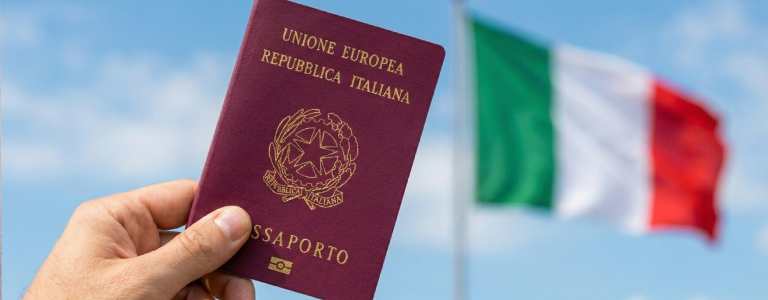
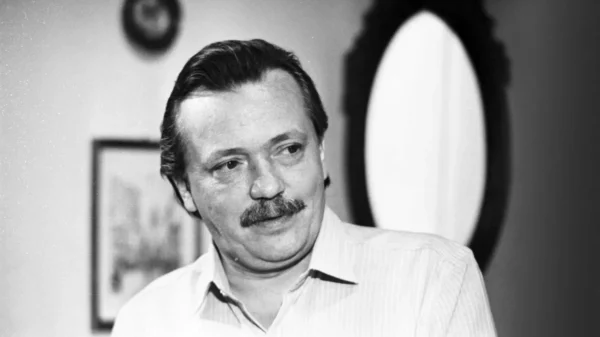
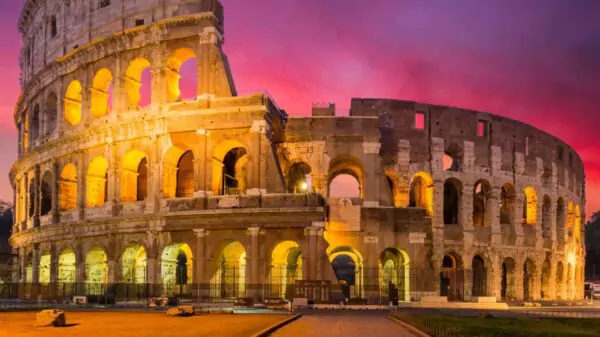
My journey through time is shorter. I see myself in Rome in the late 50s. I'm enjoying a cappuccino on Via Veneto, like Marcello Mastroianni, wearing a beautiful Brioni suit, contemplating the difficult decision of dating either Sophia Loren or Gina Lollobrigida before disappearing into the night on my Vespa.
https://www.instagram.com/p/BmVflLbHI9w/?taken-by=italianismo
FOLLOW ITALIANISM ON INSTAGRAM
It would be great to live la dolce vita!
This has tradition. I am not the only one among my countrymen to think this way. Karl Marx himself accused the English of suffering from “silly italianism“, but when you grow up in a gray climate that’s an easy trap.
I am a victim of my circumstances. I remember rainy Sunday afternoons in my childhood when they were showing one of those movies from that era, "Hollywood on the Tiber," on television—the period from 1953 to 1963 when Americans went to Rome to tell stories full of sunshine and lightness. They planted a seed.
I never managed to go there. Twice I had the ticket in my hand. In the first one, in 2011, a cloud of volcanic ash appeared, just in time, which prevented the flight. And on Monday, five years later, I had problems recovering from surgery and was forced to cancel. I receive this as a message from the Roman gods – reality will not live up to the dream. Better to stick with the dream.
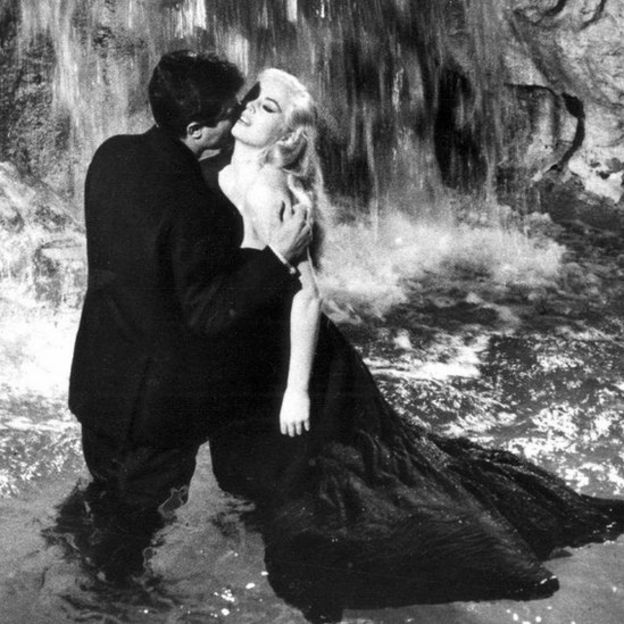
In the film 'La Dolce Vita', Federico Fellini condemns modern life and the superficiality of its values (photo: AFP | GETTY IMAGES)
Of course the image of la dolce vita it is nothing more than a myth, a glamorized vision. The film (La Dolce Vita, with Mastroianni and Anita Ekberg, by Federico Fellini, was released in early 1960) works on the one hand as a condemnation of modern life and the superficiality of its values. But, as is so often the case with great works of art, there is an ambiguity in the air.
While the script criticizes, the camera is in love with the vitality of this new world; loves the energy and cleverness of paparazzi (a word that the film invented and presented to the world) and is enchanted by Via Veneto, with the glamor of its celebrities.
Fellini became excited about the idea of making the film exactly 60 years ago, August 1958, when fights between photographers and actors made headlines. He was attracted precisely by the newness of everything.
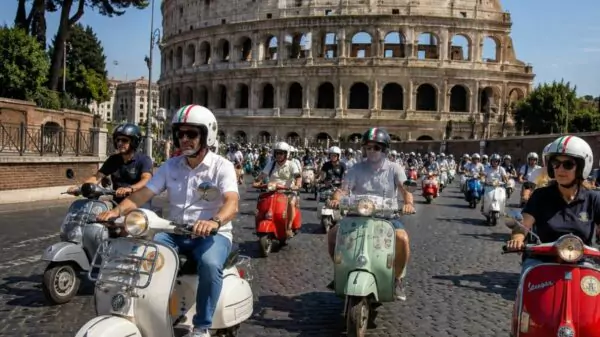
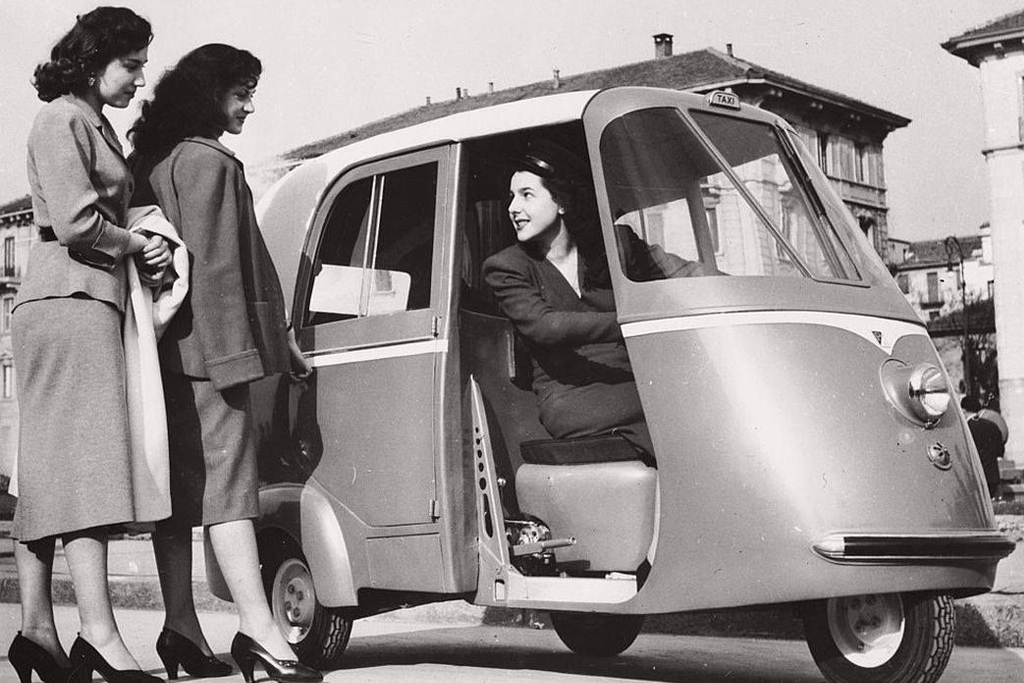
Those Vespas, without which it is impossible to imagine Rome at the time, began to be manufactured only in 1946. The film The Princess and the Commoner, from 1953, was important in publicizing and popularizing this new form of urban transport.
In this film, Gregory Peck is still wearing an old-time suit, so big it would fit an entire family to hide in. Zero elegance. Already in La Dolce Vita, Mastroianni wears the newer, tighter model from the Brioni brand, a company that only opened after the Second World War.
In fact, the notion of Italian style belongs to the post-war period, an invention of a visionary who understood that the country was capable of producing colorful and informal clothing lines, more in line with American taste compared to the coldness of Paris, which dominated the fashion scene until then.
Ten years earlier, it would have been impossible to conceive of an Italian film exploring themes of modernity and the existential problems of prosperity.
Italian films in the late 40s delved into issues of poverty and were made in the “neorealist” style that had a great influence on a generation of Brazilian filmmakers.
Nothing to do with La Dolce Vita, in which Fellini was fascinated with the exaggerations of a new era. He was observing a country finally free from the restrictions of fascism and war, a society in which technological advances were bringing new ways of living and thinking, which was in full development, going through the period known as the boom (the explosion, in free translation).
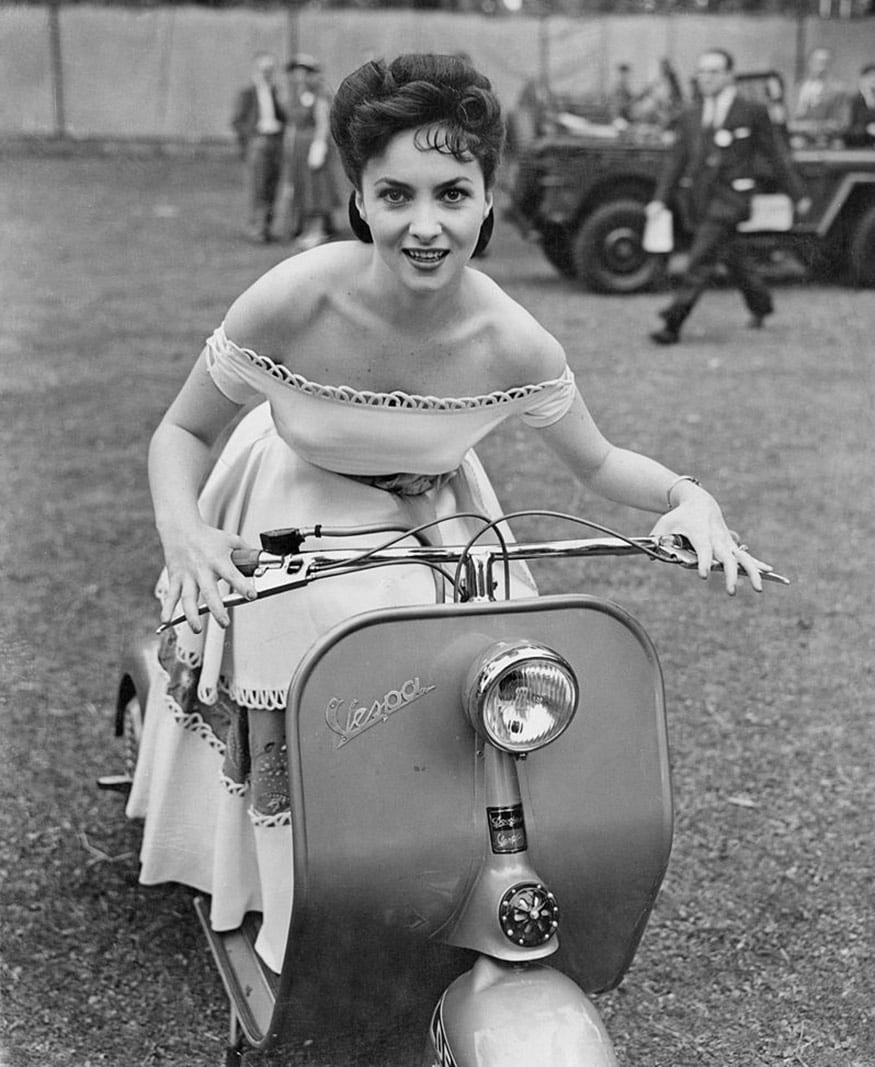
Vespa: icon of Italian dolce vita (photo: reproduction)
Almost 30% of the population migrated, generally from the agrarian south to the industrial north. This period became known as “the era of the cardboard suitcase”. But the now former peasants contributed to a growth, during the 1950s, of more than 100% of industrial production and 78% of Italian GDP.
The speed of change is quite impressive, the way that 1958 was so different from 1948, just ten years earlier. It impresses and also inspires.
It would be great if it were possible to capture this energy and bring it into our reality. I'll keep dreaming of a sweet life for all!

Tim Vickery is a columnist for
BBC News Brazil and graduated
in History and Politics from
University of Warwick.