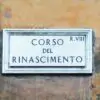
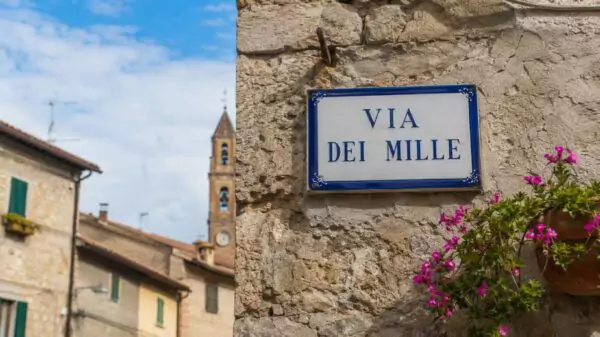










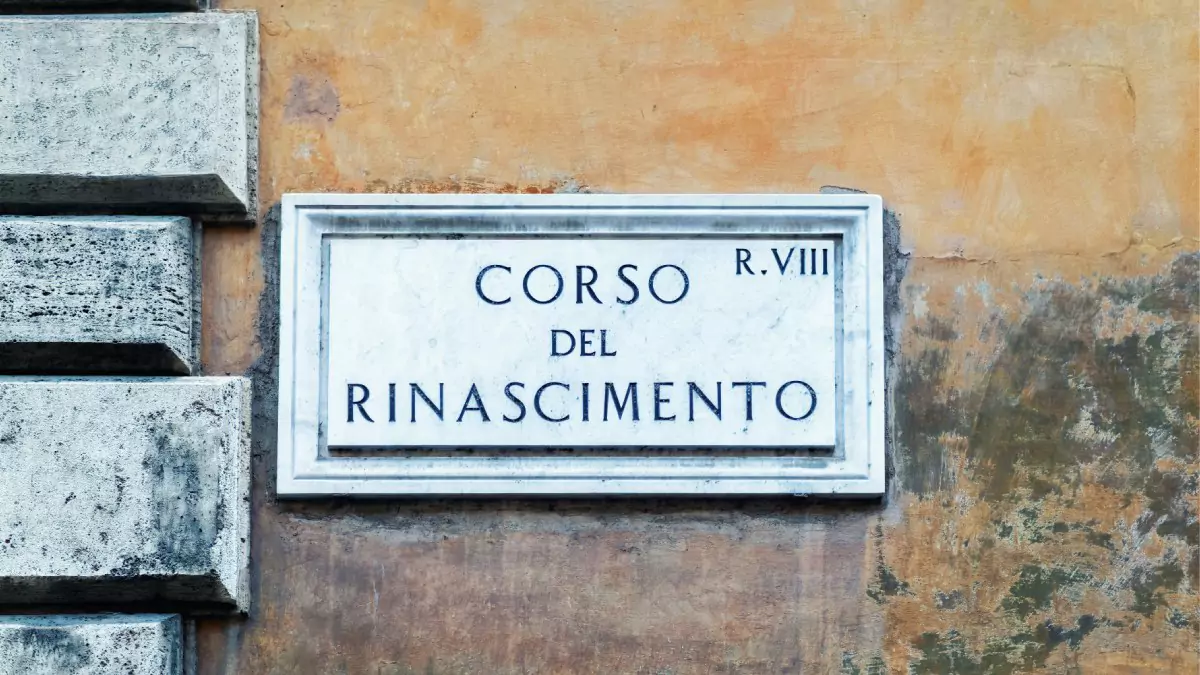
Anyone traveling through Rome in 1871 might have passed by Via dei Tre Ladroni (the street of the Three Thieves), Vicolo Calabraga (the "lower your trousers" street), or Piazza di Pescheria. These names disappeared during a reorganization that affected dozens of streets and alleys in the city, which had recently been transformed into... capital of the Kingdom of Italy.
The change was not motivated solely by political or urban planning issues. Municipal Statistical CouncilThe municipal commission responsible for statistics needed to eliminate duplicate names and inaccurate addresses before the population census.
O official census report of 1871 It is noted that the commission worked to remove duplicates and correct the nomenclature of the streets.
Rome had been declared the capital by Law No. 33, dated February 3, 1871. In November of that year, the commission sent the municipal administration a list of changes and proposals for the streets of the new quartere delle Terme, Also known as From Merode.

The Supreme Court reaffirmed: citizenship is born with the person.
- New legal front opened
- Processes can still be filed.
- Individual assessment before any decision.
The discussion in the city council was heated. Some council members questioned who had the authority to choose the names and complained about not having received the list in advance. A proposal to postpone the census was rejected by a vote of 15 to 13, as the census had a legal deadline.
The De Merode district received names still known to the Romans, such as Via Nazionale, Via Torino, Via Firenze, Via Napoli, Via Genova, Via Modena, and Via Parma.
The names approved in 1871
The reform reached areas such as Monti, Trevi, Colonna, Campo Marzio, Ponte, Regola, Sant'Eustachio, Pigna, Campitelli, Sant'Angelo and Trastevere.
| Previous name | Name approved |
|---|---|
| Via Porta Pia | Via Venti Settembre |
| Via delle Fratte | Via delle Frasche |
| Via dell'Olmo | Via dell'Olmata |
| Via dei Tre Ladroni | Via dell'Umiltà |
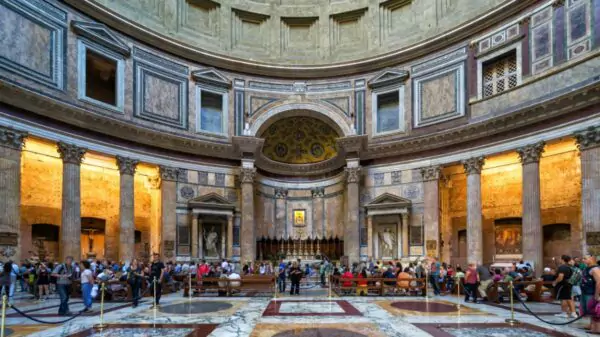
| Street of the Sun | Via del Pantheon |
| St. Isidore's Way | Artists' Street |
| Via di S. Maria in Campomarzio | Metastasio Street |
| Via dei Sediari | Via della Seggiola |
| Post Office Street | Via della Dogana Vecchia |
| Via del Gesù | Via del Plebiscito |
| Via dei Fienili | Via dei Foraggi |
| Via della Catena di Pescheria | Via del Teatro di Marcello |
| Piazza di Pescheria | Portico d'Ottavia |
| Fishing Road | Via del Portico d'Ottavia |
| Well Alley | Vicolo della Cisterna |
| Vicolo del Leoncino | Vicolo del Leopardo |
| Vicolo dei Fienili | Straw Alley |
| Vicolo Alibert | Vicolo della Farnesina |
Many of the changes resolved cases of streets with the same name or identified different sections of the same road. To maintain some connection between the names, the committee resorted to words with similar meanings.
That is how the well of Vicolo del Pozzo gave way to the cistern of Vicolo della Cisterna. In Trastevere, Vicolo dei Fienili, reference to the hay deposits, became Vicolo della Paglia, the street of straw. Vicolo del Leoncino was renamed Vicolo del Leopardo.
Concern for decorum also played a role. Via dei Tre Ladroni, the street of the Three Thieves, was renamed Via dell'Umiltà. The name Vicolo Calabraga was considered indecent and replaced by Vicolo Cellini, in reference to Benvenuto Cellini.
Not even an unnamed alley escaped. The approved solution was to call it Anonymous Alley.
Politics and ancient Rome in the addresses
The replacement of Via Porta Pia with Via Venti Settembre had a political character. The new name commemorated September 20, 1870, the date of the entry of Italian troops into Rome through the Porta Pia breach.
Via del Giardino Papale lost its reference to the Pope and became Via dei Giardini. The recorded justification was that the pontiff no longer resided in the Quirinale Palace, which had been transformed into a palace for the Italian monarchy.
Other changes replaced popular names, linked to shops, markets, and workplaces, with references to ancient Rome. A section of Via Macel dei Corvi became Via del Foro Trajano. Via della Catena di Pescheria was renamed Via del Teatro di Marcello, while the fish market square and street were renamed Portico d'Ottavia and Via del Portico d'Ottavia.
The council also discussed how to honor Angelo Brunetti, a popular figure in Rome known as Ciceruacchio. The initial proposal was to create Vicolo Ciceruacchio, but one council member advocated using the surname. By a vote of 19 to nine, Vicolo Brunetti won, now Via Angelo Brunetti.