











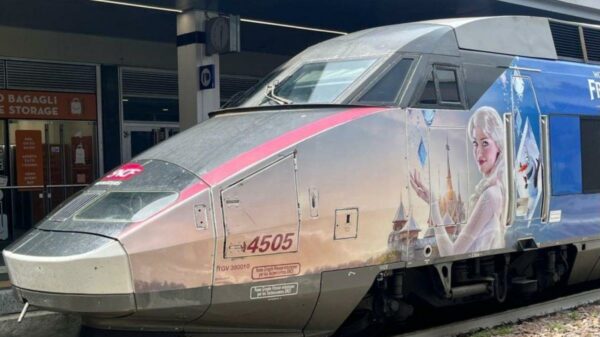




















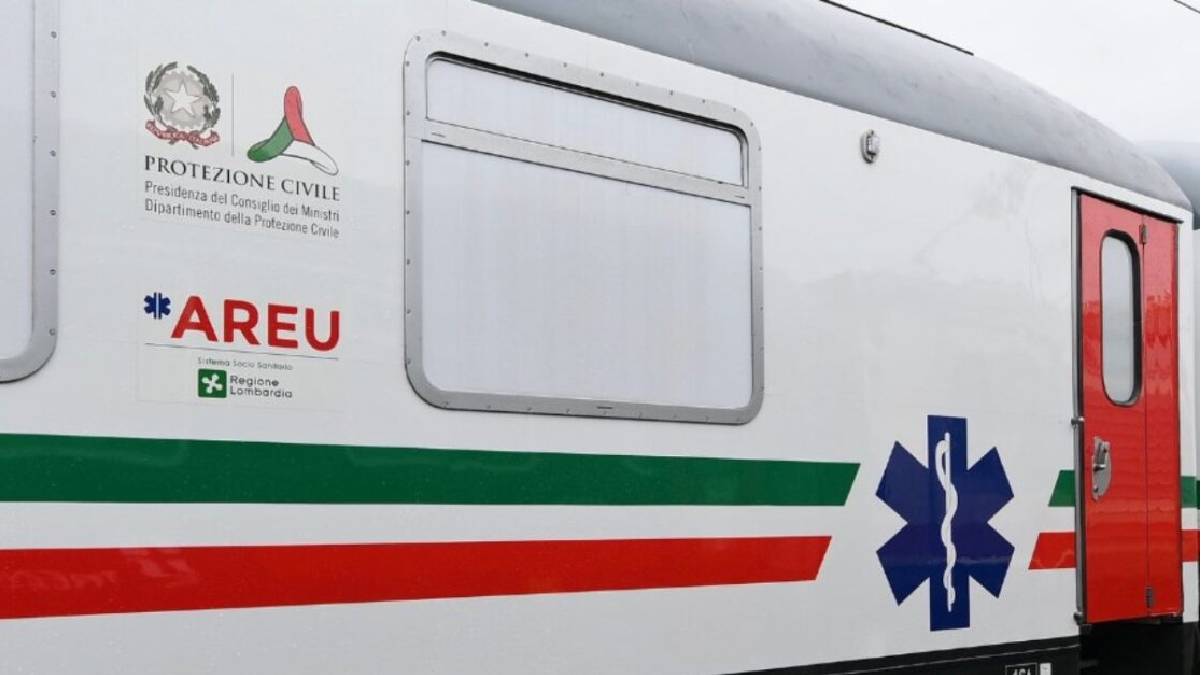
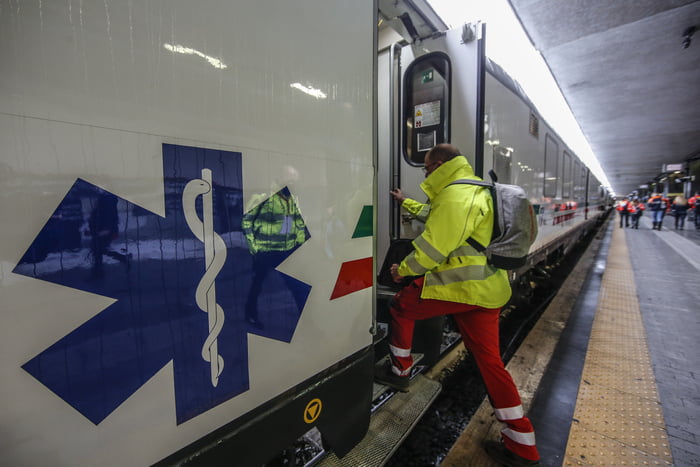
Italy launched its new commitment to combating the new coronavirus pandemic on Monday (8): a train converted into an ICU mobile that will travel along the country's railways to try to alleviate pressure on the hospital network.
The vehicle is at Termini station in the capital, Rome, ready to be dispatched should a local government request it.

“It can even circulate throughout Europe. There is no other train like this”, explained Ferrovie dello Stato coordinator, Gianfranco Battisti.
According to Batisti, it is not just a train with beds. The entire interior has been modified so that it truly functions as a hospital on rails, in a collaboration between the Civil Protection agency, the Red Cross and the United States Emergency Agency. Lombardia.
It can also transport patients between cities and, although in the initial phase it is dedicated to patients with Covid-19, it could be used to assist in future disasters on Italian or European soil.
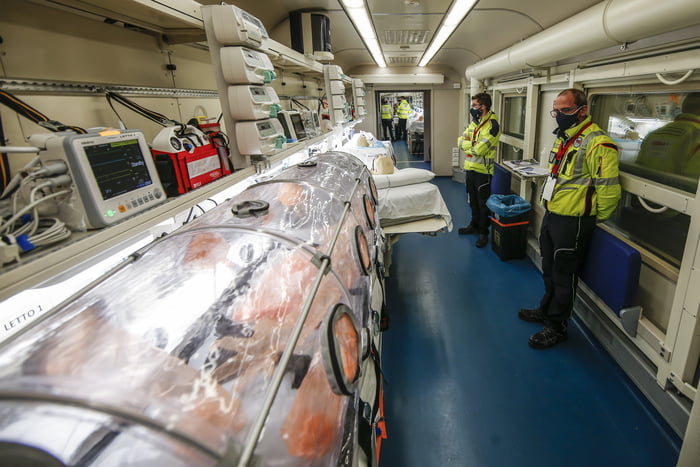
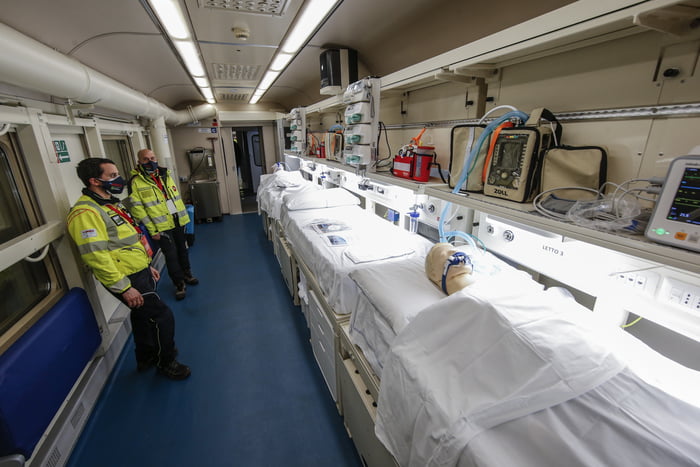
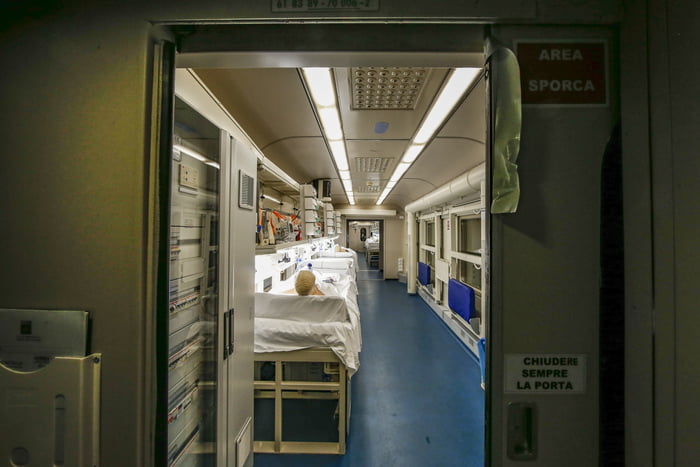
The train is made up of eight cars. Three of them house 21 ICU beds. The interior has been so modified that it has little to do with that of a conventional train, other than its size.
On one side of these cars, beds are fixed to the wall, with drawers underneath, to make use of the space.
The windows were covered with panels where the patients' vital signs will appear, all monitored by computer.
Two other wagons will carry the technical equipment and an independent generator that allows all machines to operate uninterruptedly.
In another, medicines and protective equipment will be stored.
Train converted into ICU will have 21 respirators
The train will transport 21 mechanical respirators, one per bed, ten ultrasound equipment, two arterial blood gas analysis devices and individual isolation chambers.
Finally, the last two cars will carry the operating room and rest beds for employees.
Each of the carriages will have a doctor and four nurses. According to those responsible, the train will have the autonomy to run for “a few days”, which allows it to make longer trips.
A specific duration was not provided because everything depends on the use of oxygen reserves, which will be stored in tanks placed on the platforms between the cars.
If gas starts to run low, the train can stop at any station, change the tank and continue on its journey.
With information from Handle