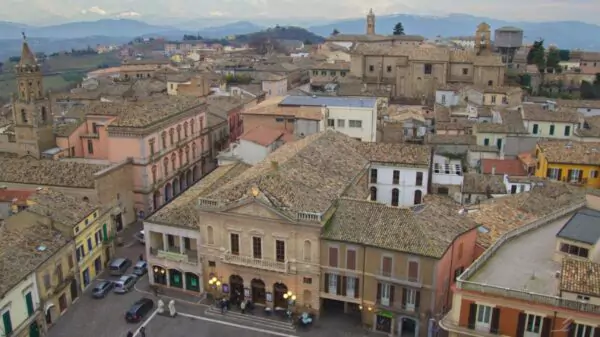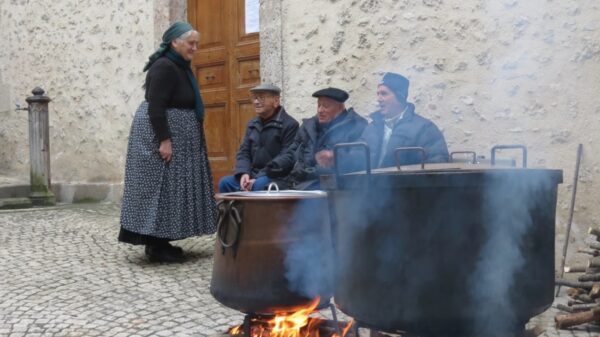

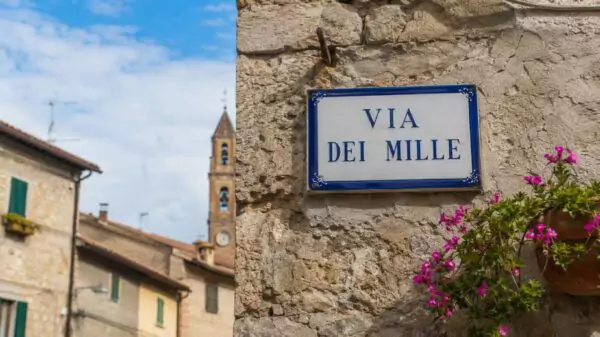




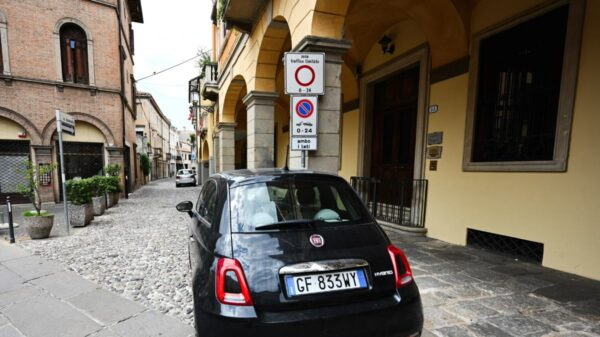
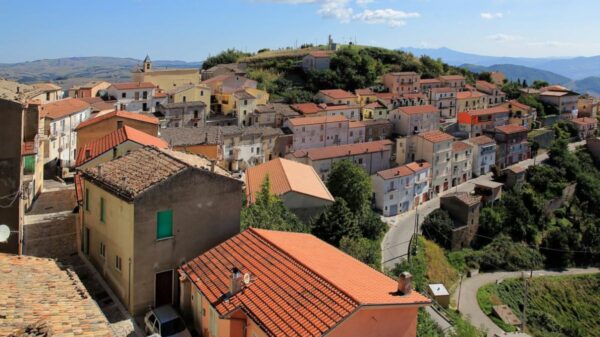











On a blustery April morning, the winding cobblestone streets are virtually deserted in this stone-and-timber town high in Italy's Apennines.
A century ago, more than 100 children attended the local school. Now, it is closed and only three children live in the village, one of them just a few months old – the first baby born in a decade.
In the past, the city had 4 grocery stores; now there are none. But all of that could be about to change drastically.
Calascio, in province of L'Aquila, is one of 20 cities across Italy that should each receive €20 million (around R$100 million) from the government of Rome. The money is intended to breathe new life into Italy's abandoned and depopulated villages by restoring derelict buildings, attracting new residents and reversing decades of neglect.

The Supreme Court reaffirmed: citizenship is born with the person.
- New legal front opened
- Processes can still be filed.
- Individual assessment before any decision.
The funds are part of €200 billion that European Union is releasing it to Italy, with low interest rates, to help it recover from the post-pandemic economic crisis.
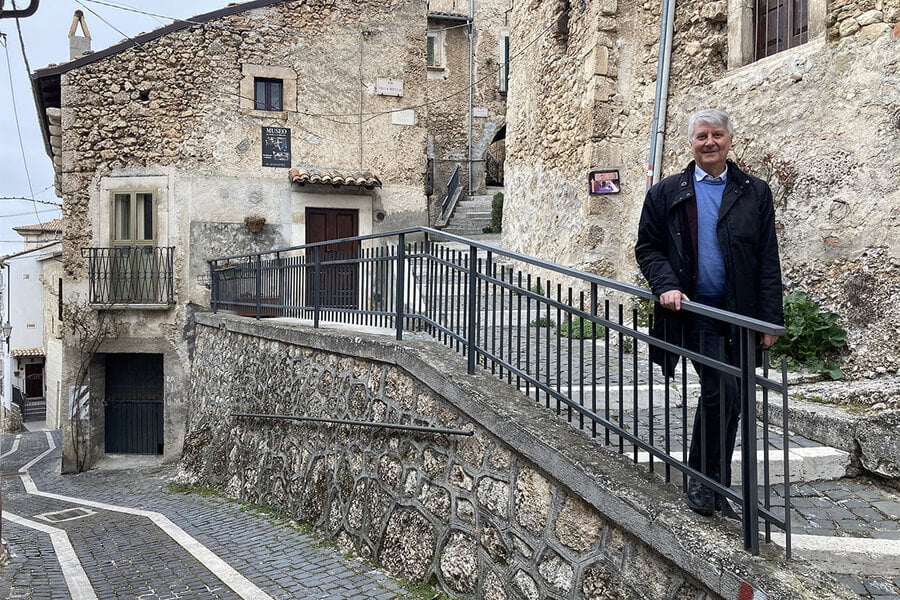
A chance to restore the village
each of 20 regions and Italy's autonomous provinces were asked to nominate just one city to receive €20 million. Calascio was the winner from Abruzzo, a region in the middle of Italy that is known for snow-capped mountains, earthquakes and imposing castles.
Before First World War, Calascio had a population of 2.500. This has now dwindled to less than 140, and during harsh winters there may be as few as 90 residents.
Poverty and lack of jobs caused families to flee to the United States and Canada in the late 19th century, and then to Belgium and northern France to work in coal mines.
“Life was very difficult here. The village only received running water in 1911. It was poor, like so many other parts of Italy. When people left, they just closed the front door and that was it. Their houses were abandoned”, says Paolo Baldi, mayor of the city.
A series of projects now promises to breathe new life into the village.
The mayor wants to establish a diffuse hostel, an Italian concept in which empty historic houses in a village are transformed into accommodation, grouped around a central building for reception, a restaurant and a bar. There are also plans to establish a museum and gallery space for local art.
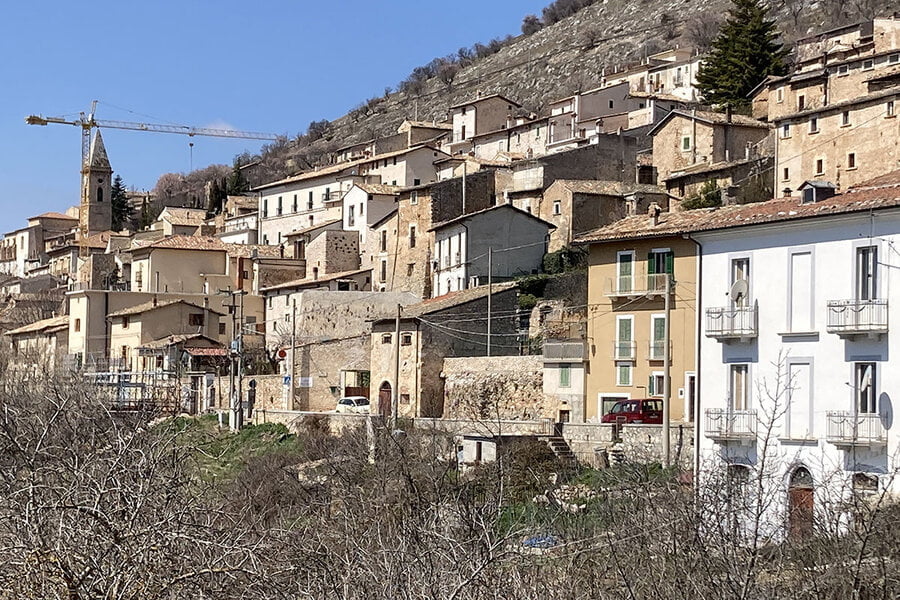
According to Baldi, 5 million euros will be dedicated to restructuring the castle Rocca Calascio, which is at the top of the village. He was appointed by National Geographic , the one of the 15 most beautiful castles in the world and appeared in several films – “A Mysterious Man” (2010), with George Clooney, or “The Name of the Rose” (1986), with Sean Connery, for example.
An archaeological dig will be commissioned to explore the site and try to establish when the castle was built.
There will even be a shepherds' school to teach young people the art of raising sheep – Calascio was once prosperous with wool.
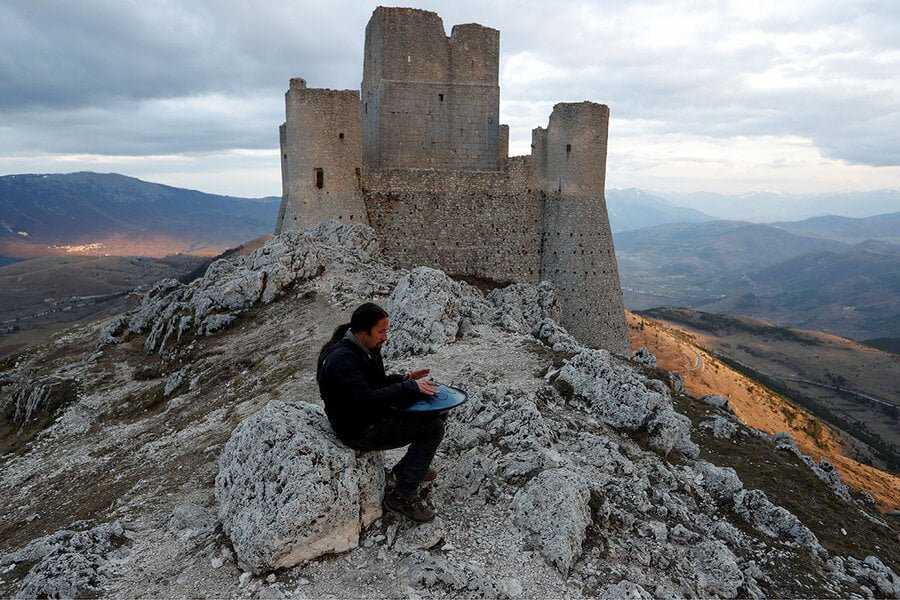
Abandoned buildings will be transformed into space for new start-ups, with great hopes of attracting digital nomads that they have the freedom to live wherever they want.
These projects should, if everything goes as planned, create around 100 direct and indirect jobs, says Mayor Baldi.