





















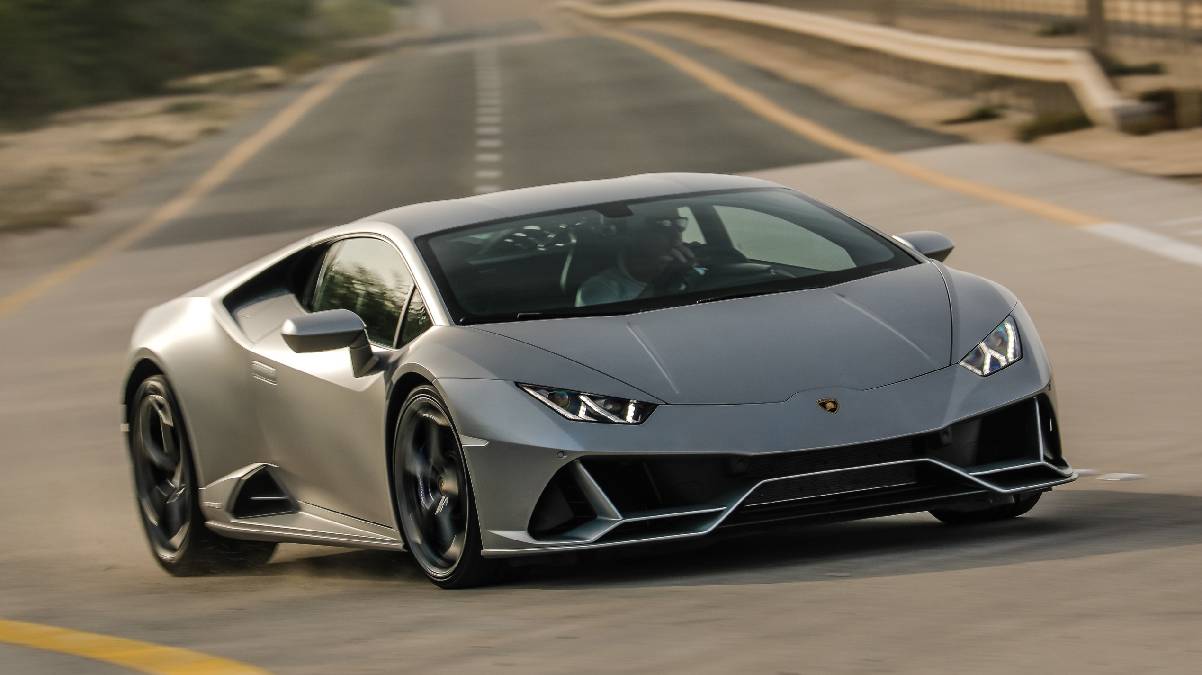
Lamborghini announced plans to set up a factory in Brazil and brand executives have already met with Daniela Reinehr, interim governor of Santa Catarina, to discuss the project.
There is only one catch in the story: it is not the parent company – called Automobili Lamborghini SpA –, but rather the Latin American (and legal) derivation with a somewhat nebulous past.
To begin with, it is important to explain that the famous super sports car manufacturer has not always had its finances up to date. So much so that, at the end of the 1980s, there was only one model for sale and the brand ended up being purchased by Chrysler.
But this lasted until 1994, when control passed into the hands of Indonesian investors, before being sold to Volkswagen in 1998.
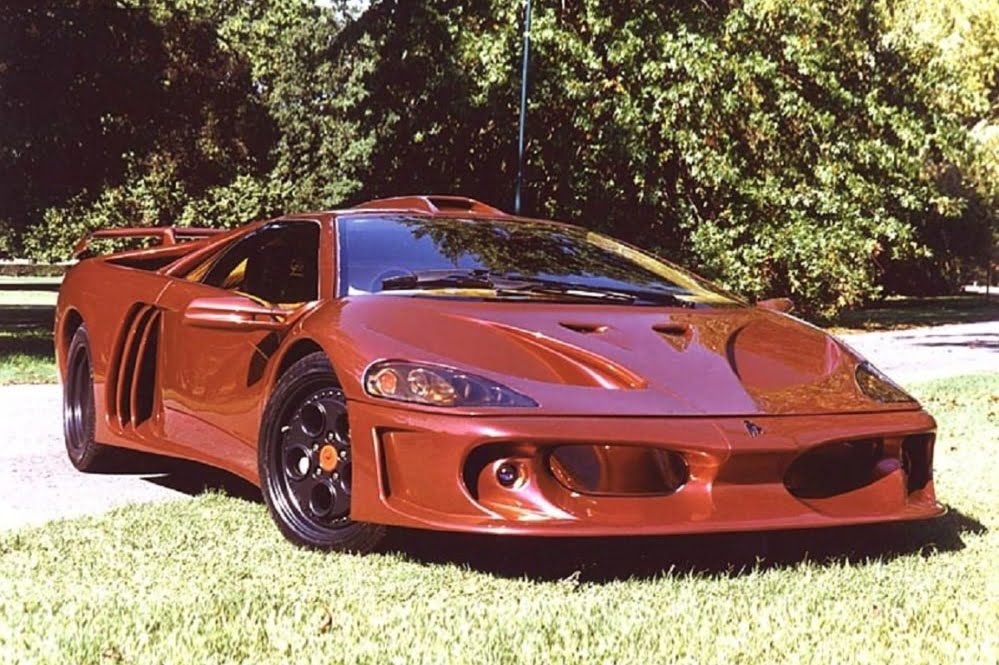
And it was precisely in this meantime under Asian command that Lamborghini ended up divided in two. This is because Mexican businessman Jorge Antonio Fernández García, known by his nickname Joan Fercí, obtained an exclusive rights contract for the brand in Latin America and permission to produce the Diablo model – created in 1992 and retired by the parent company in 2002.
In an interview with Argentina Autoblog, Fercí recalls that, at the time of the agreement, it was not permitted to sell any vehicle that had not been manufactured or assembled in Mexico. “This was a market that was not of much interest to foreigners and, therefore, there were no problems in obtaining a contract that would grant rights to the brand throughout the Latin American region for 99 years,” he said.
But this is where the problem begins: modifications were also planned in the design of the original car to which Lamborghini Latinoamérica had the right and, from then on, variations of “new” models began to appear.
According to the Mexican company, only three units of the Coatl, the first product developed locally, and two Alar 777s have been produced since 2006.
Therefore, the company created by Joan Fercí has not produced any vehicle for over 15 years – apart from the Centurion, from 2015, which never got off the ground. In the last decade alone, plans were announced to manufacture in Uruguay, in 2013, and in Argentina, in 2014. There were even negotiations with Mario Benítez, president of Paraguay, to whom they also promised a development center.
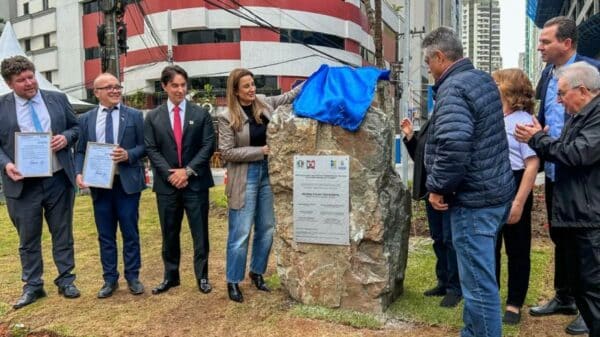
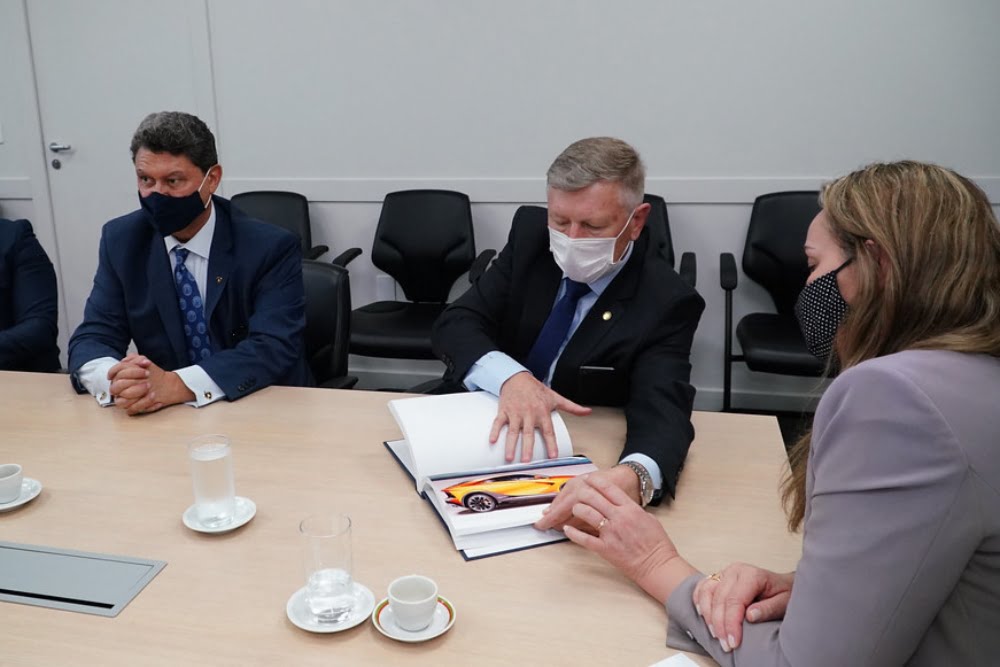
And, even though the projects have left the drawing board, the Mexican met on Friday (22) with the chief executive in SC, in addition to state deputy Milton Hobus; the head of the Civil House, Gerson Luiz Schwerdt; and the secretaries of Finance, Rogério Macanhão, of Sustainable Economic Development, Luciano Buligon, and the executive secretary of international affairs, Daniella Abreu.
Gilson Pierri, Brazilian partner at Lamborghini Latinoamérica, said during the meeting that the company intends to develop projects in 20 areas over the next 30 years. As a highlight, an electric super sports car with 1.013 hp was presented – practically the same as the most powerful Tesla Model S currently on sale – and which, for now, only exists as computer graphics.
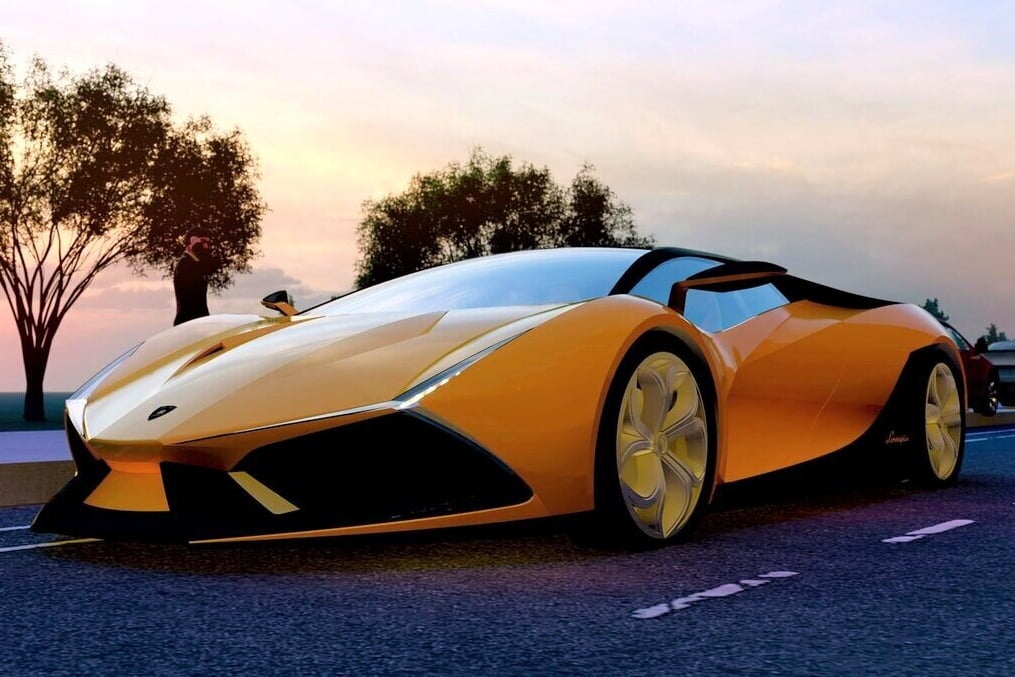
According to the SC government, there was actually a request for an agenda to present the studies. Actions and programs to encourage the installation of companies in the state were also presented. However, Joan Fercí's brand has not yet made its demands and interest official through documents, as had been requested during the meeting with politicians.
Behind the scenes, the “manufacturer” still has curious stories, as is the case of Ariel Casariego, a designer who left the profession after the failure of his creations to dedicate himself to wrestling on TV shows, or Roberto Garcia, coordinator of the department of electronics and electrical technician who has a technical degree and who, previously, worked installing sound equipment in cars.
By Gabriel Aguiar/Exame