

































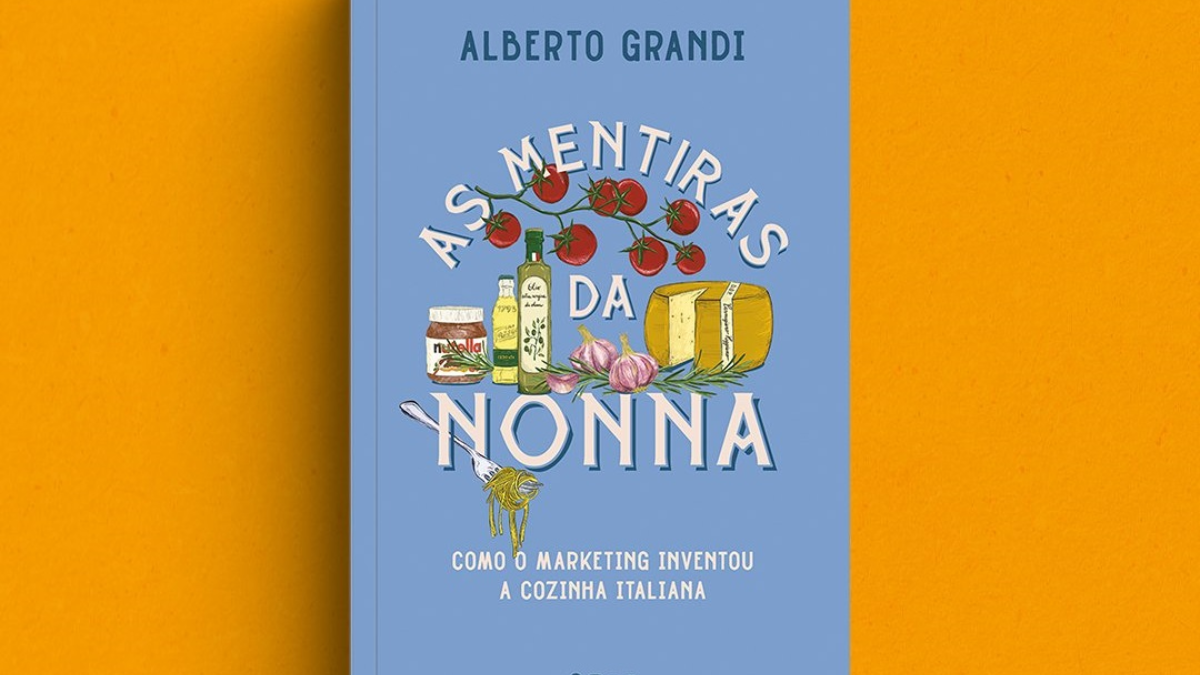
A book by an academic who caused controversy in Italy by questioning some myths about “Belpaese” gastronomyLike origin of carbonara pasta and even parmesan cheese, symbols of “made in Italy”.
In "Grandma's Lies – How Marketing Invented Italian Cuisine," published by Todavia, Alberto Grandi, professor of food history at the University of Parma, explains the creation of the aura of a cuisine celebrated worldwide and used by Italy as an important tool of soft power.
One of the stories that most motivated criticism from Italians against Grandi is the origin of carbonara sauce. According to him, the dish appeared among the United States troops at the end of the Second World War and included powdered eggs and bacon, and can be defined as “a typical American breakfast”, but with the addition of pasta.
Only later would the recipe become consolidated with its characteristic ingredients: egg yolk, pecorino cheese and guanciale (pig cheek or jowl), as well as black pepper, a combination that made it one of the most famous Italian dishes in the world.
Furthermore, the professor states that the original parmigiano cheese (Parmesan) appeared in the state of Wisconsin, also in the USA, and that panettone is a creation of the industry, and not of artisan bakers, as legend has it.
There was even pizza, which, according to Grandi, is a street food typical of Mediterranean countries and only received the traditional tomato sauce, for example, with Italians who lived in North America.
The professor became the target of criticism in Italy when he explained these theses in an interview with the British newspaper Financial Times, in 2023, including from the government. “Now there are 'experts' and newspapers envious of our flavors and our beauty,” said the Minister of Infrastructure and Deputy Prime Minister of Italy, Matteo Salvini, from the nationalist League party.
The Coldiretti farmers' federation, which promotes several campaigns against alleged copies abroad of gastronomic products “made in Italy”, denounced a “surreal attack on dishes that are symbols of Italian cuisine”.
The controversy comes at a time when Italy is trying to nominate its gastronomy as a UNESCO intangible heritage, which already recognized the “art of Neapolitan pizza chefs” in 2017. (HANDLE)
FOLLOW ITALIANISM