













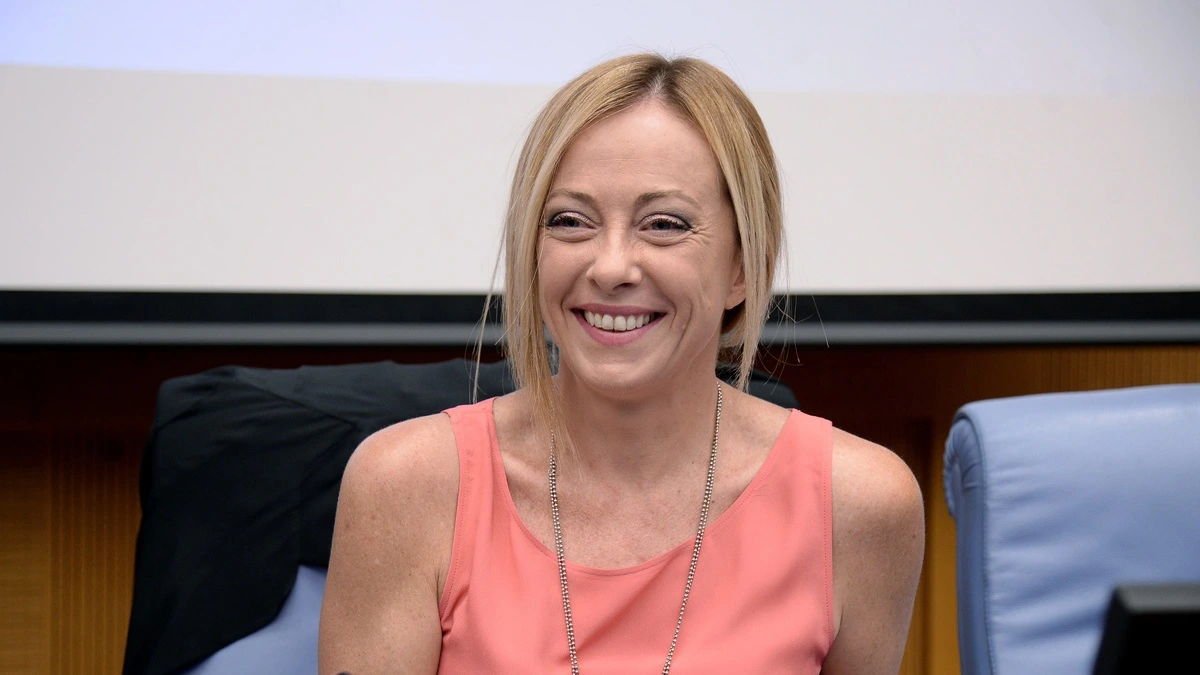
Italy's conservative Prime Minister, Georgia Meloni, passed the test of the first 100 days of government without major mistakes or successes according to experts.
For Sofia Ventura, professor of political science at the University of Bologna, Meloni “has not done anything particularly incisive that indicates political or economic change. Basically, he continued the path of the previous government, led by Mario Draghi, as seen in the approval of the Budgets without receiving much criticism”.
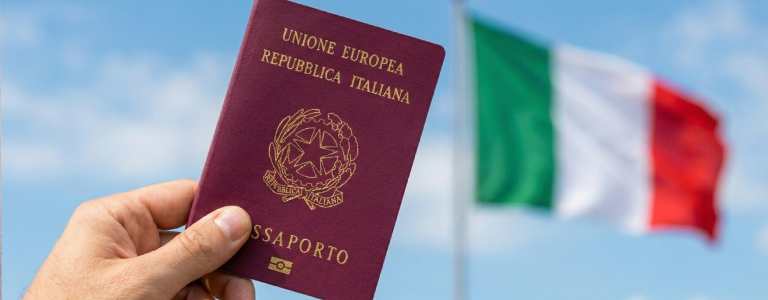
Although his rise to power last October raised concerns in the European Union, given the formation of the most right-wing government in Rome since the Second World War, the truth is that the leader of the conservative coalition has adopted a much more moderate stance in these 100 days than when he was in opposition.
Concerned about not frightening her international allies, Meloni has implemented a reassuring foreign policy to reaffirm Italy's position before the European Union and also before NATO.
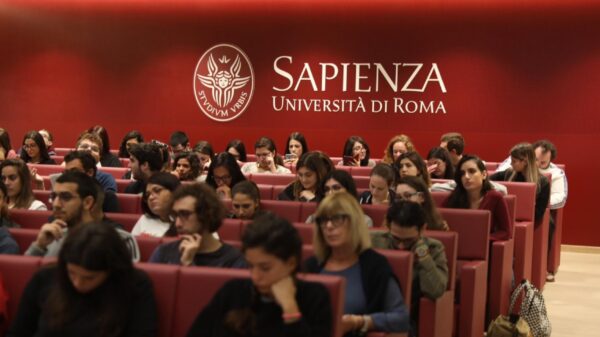
“There is an evident disproportion between the radical discontinuity in relation to previous governments that Meloni promised during the electoral campaign and what he has done since coming to power”, says Michele Prospero, professor of political science at La Sapienza University, In Rome.
The first opportunity to measure the government's progress at the polls will be on February 13, when regional elections take place in Lombardy and Lazio, the country's two most populous territories.
In both cases, polls predict a clear victory for candidates from the right-wing coalition, which should help maintain peace between the Executive's allies.
Added to this is the coma where the main opposition force, the Democratic Party (PD), is located.
Enrico Letta, leader of the left-wing party, submitted his resignation following the disaster of the September elections. Since then, the PD has begun a phase of internal reflection that will end with the holding of primary elections on February 26 to appoint a new general secretary.
“I think (Meloni) will be able to govern without major concerns, at least until the European elections in 2024”, says Michele Prospero. Remembering, however, that possible crises arising from “rivalries and selfishness” within parties and coalitions can never be ruled out in Italy.