



































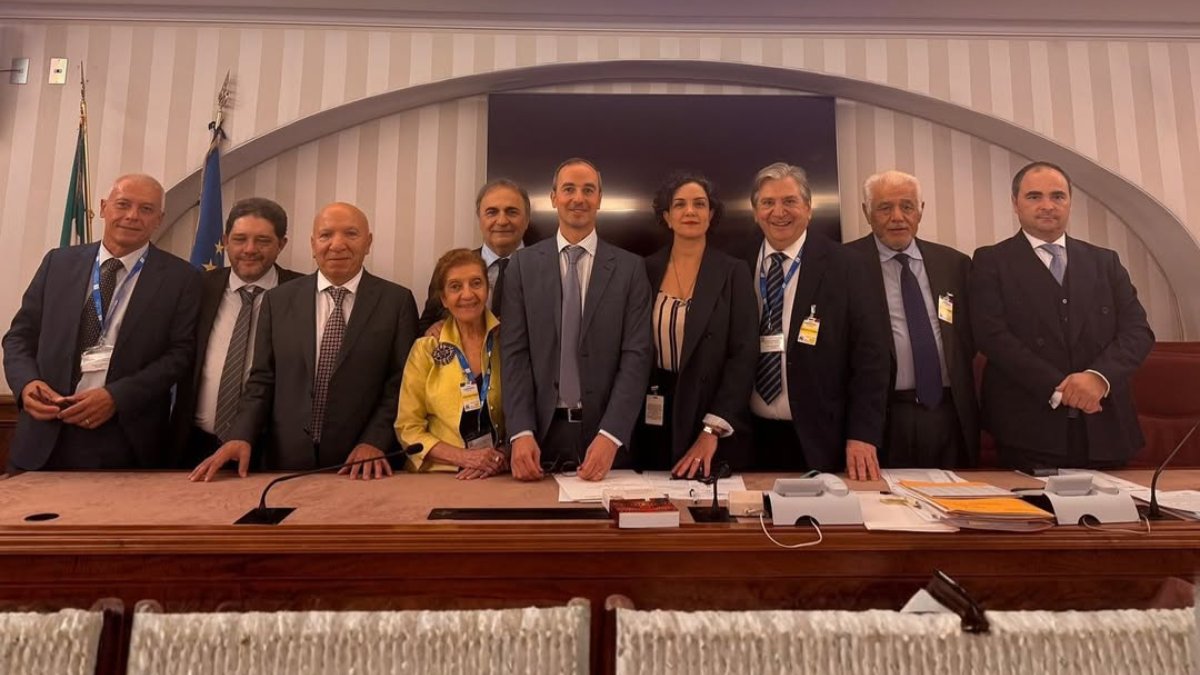
Ricardo Merlo, leader of the Italian Association Movement Abroad (MAIE), harshly criticized the Meloni government at the meeting of the General Council of Italians Abroad (CGIE) this Wednesday (September 1st) in Rome. He called the Italian citizenship law created by Deputy Prime Minister Antonio Tajani "wrong, useless and ungrateful".
According to Merlo, the new law, instead of reducing lawsuits, creates an expensive and unequal system that only benefits those who can afford specialized lawyers.
Despite his blunt speech, Merlo and his allies remain part of the government's support base. There has been no concrete sign of a break. The MAIE, created to defend the rights of the diaspora, maintains its seats in Parliament as part of the majority that approved restrictions on citizenship by descent, the ius sanguinis.
Contradiction between discourse and practice
The inconsistency between MAIE's public discourse and political practice is nothing new. The party has participated in left-wing governments, such as Giuseppe Conte's, and today supports the right-wing coalition led by Giorgia Meloni, Antonio Tajani, and Matteo Salvini.

The new law will now be reviewed by the European Union's courts. And there are European precedents that strengthen the defense of descendants.
- New legal front opened
- Processes can still be filed.
- Individual analysis of your case.
The logic has been to secure a space of influence, even if this means supporting measures that harm millions of descendants of Italians abroad.
The contradiction became even more evident last week. After declaring to the Argentine press that the party would stop supporting the government until its policy toward Italians abroad changed, Senator Mario Borghese, also from the MAIE, traveled to Calabria to support the election campaign of Roberto Occhiuto, a Tajani ally.
The episode reinforces the perception that the party works more to preserve political spaces and institutional benefits than to effectively defend the Italian community abroad.
Criticism without consequence
At the CGIE, Merlo stated that he hopes the Constitutional Court will reverse the section of the new law that has retroactive effects. This criticism, however, has not been reflected in practical actions.
MAIE remains part of the parliamentary base, retains access to positions and funds, and avoids addressing the contradictions between its public actions and its political behavior in Rome.
Between harsh speeches and silent support, the party adopts a familiar strategy: criticize in public, but don't let go of the power in Rome.