

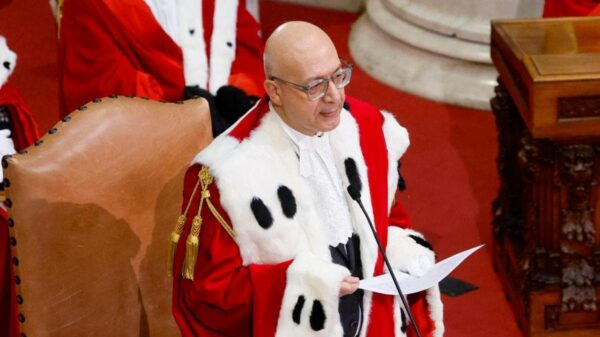
![Attorney Marco Mellone during oral arguments at the Court of Cassation in Rome, at the United Sections hearing on the 'child issue' | Photo: Reproduction/[source of the video]](https://italianismo.com.br/wp-content/uploads/2026/07/marco-mellone-600x337.jpg)
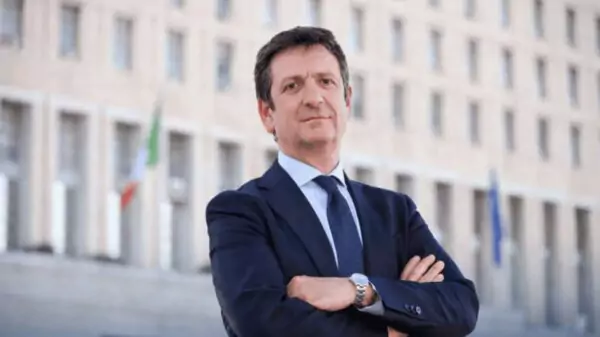




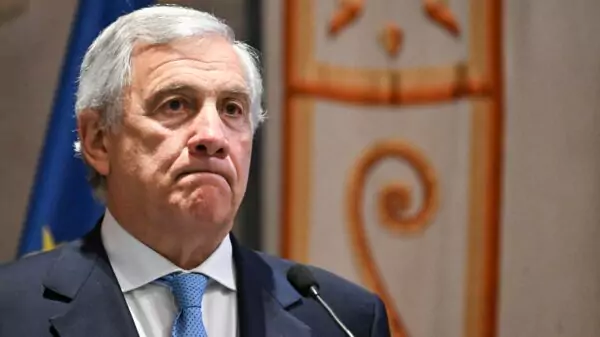











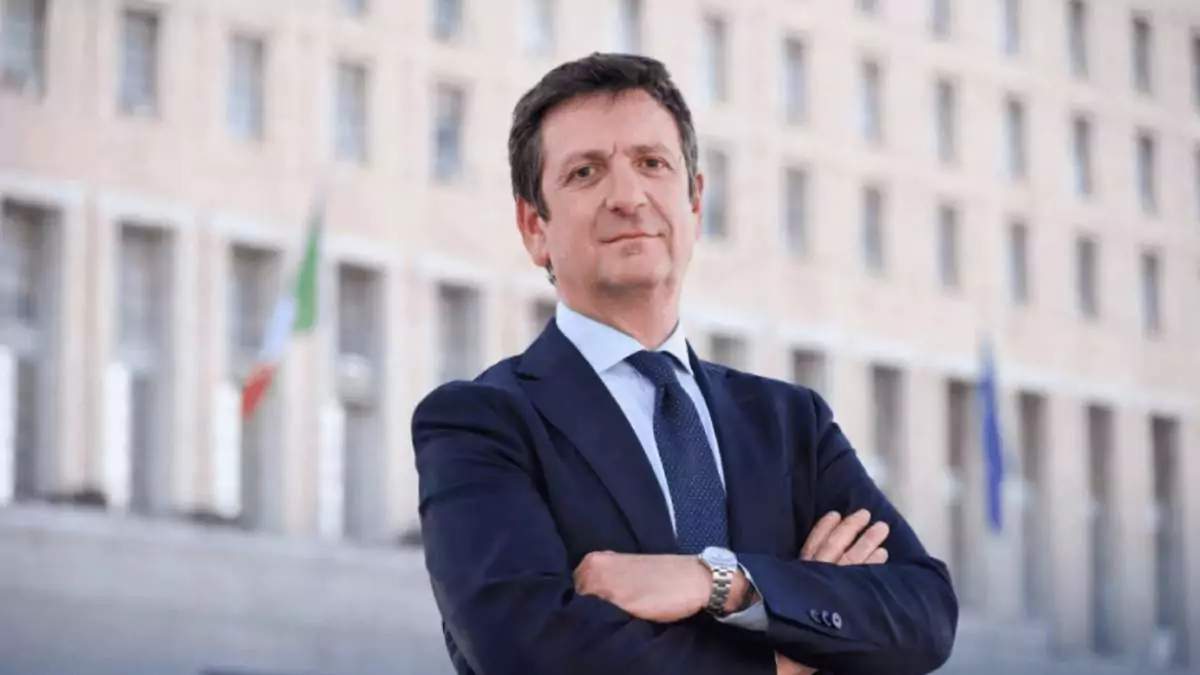
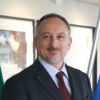
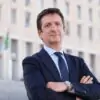
Mauro Campanella He took over the Consulate General of Italy in São Paulo with the promise of offering more efficient services to the Italian community in the area, which totals 390.000 registered citizens.
The diplomat published his first message in office this Thursday (30). He succeeds Domenico Fornara, who had been in charge of the department since 2022 and ended his term after a period of strong growth in the consular population.
"The Consulate General is expected to provide increasingly efficient, innovative, and effective services. We will focus on these aspects to best meet the diverse needs of our compatriots," Campanella wrote.
Expanding community
The new consul inherits a rapidly growing office. The total of 390.038 registered citizens represents a 47% increase in five years. In 2025 alone, the consulate recorded approximately 53 new registrations, the highest annual volume ever recorded by an Italian consulate general.
The Supreme Court reaffirmed: citizenship is born with the person.
- New legal front opened
- Processes can still be filed.
- Individual assessment before any decision.
The number does not mean that 53 people moved to the region that year. The registrations also include those who already lived in Brazil and became part of the consular registry after their Italian citizenship was recognized.
With these numbers, São Paulo ranks among the largest Italian consulates in the world and may have surpassed London, which had 368.221 citizens registered at the end of 2024. The comparison requires caution, however, because there is no equally up-to-date data available for the British consulate.
Who is Mauro Campanella?
He holds a degree in economics and commerce from the University of Rome. Campanella He entered the diplomatic service in 2000. He served in Wellington, the Holy See, Madrid, and Tunis, in addition to holding management positions at the Italian Ministry of Foreign Affairs. São Paulo will be his first posting as consul general..
He takes office just over a year after the reform that restricted the recognition of Italian citizenship by descent. The change reduced the traditional requirements, but created new tasks, such as the analysis of applications protected by the transitional rules. The demand has not disappeared, it has changed in composition.