























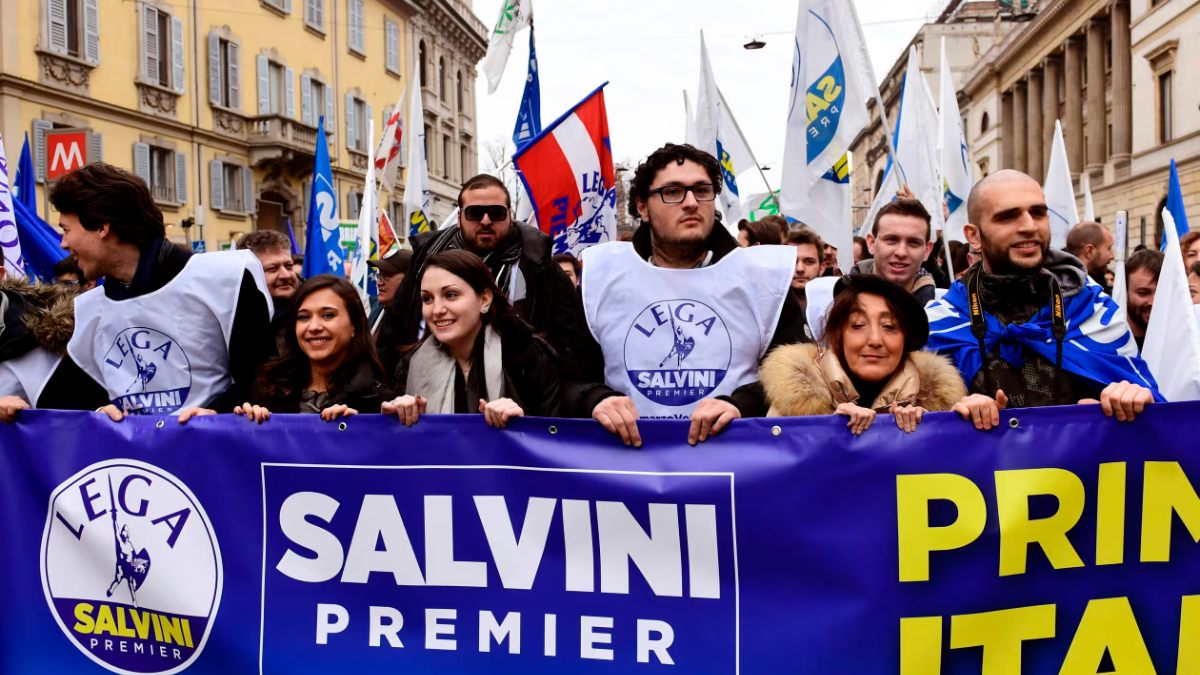
Há uma cena que resume bem o momento político da Itália: o partido que fez da hostilidade à imigração sua principal bandeira eleitoral coloca dois candidatos muçulmanos em sua lista, recebe críticas dos próprios eleitores, e então anuncia publicamente que se “distancia” dos candidatos que ele mesmo escolheu.
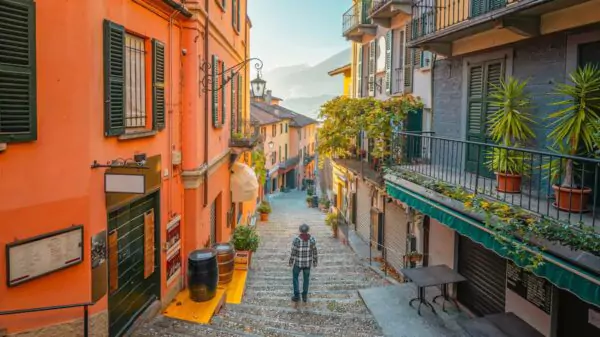
Isso aconteceu em Vigevano, cidade de 62 mil habitantes no norte da Itália, cercada de fábricas e arrozais, onde 15% da população é composta por estrangeiros, muitos deles egípcios e romenos. O candidato a prefeito pela Liga (ou Lega), o joalheiro Riccardo Ghia, decidiu incluir dois candidatos muçulmanos em sua lista de vereadores com um objetivo declarado: atrair votos das comunidades imigrantes.
A reação da cúpula nacional da Liga foi imediata. O partido anunciou que se “distancia” dos candidatos de Vigevano. Os eleitores de Salvini não gostaram. Os candidatos muçulmanos ficaram no meio do fogo cruzado. E a contradição ficou exposta para quem quisesse ver. A eleição aconteceu neste domingo e segunda-feira (25).
“Nasci aqui. Sempre vivi aqui. Mas ainda sou estrangeira”
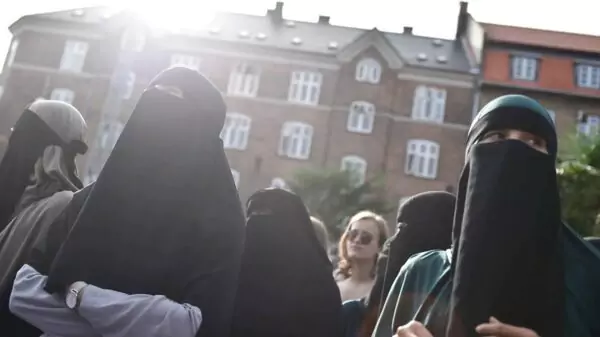
Uma das candidatas, Hagar Haggag, 20 anos, ítalo-egípcia, disse ter recebido uma série de insultos e ameaças desde que sua candidatura foi anunciada, atribuindo a reação principalmente ao fato de usar hijab. Mesmo assim, disse nunca ter sentido racismo dentro da seção local do partido e afirmou que se candidatou também para “acabar com o clichê de esquerda de que mulheres muçulmanas são ignorantes.” Ela estuda diplomacia e cogita carreira política, talvez no Egito.
O outro candidato, Ibrahim Hussein, porta-voz do salão de orações da mesquita local, apresentou sua candidatura “em nome de Allah” e escreveu no Facebook que escolheu a Liga porque se vê como “um exemplo real de integração.”
Do lado oposto do espectro político, Sabrine Hamrouni, 23 anos, filha de tunisiano que chegou a Vigevano nos anos 1990 para trabalhar na construção civil, é candidata pela centro-esquerda. Ela resumiu em uma frase o que muitos imigrantes de segunda geração sentem: “Nasci aqui. Sempre vivi aqui. Mas ainda sou estrangeira.”
A contradição que a eleição expõe
O episódio de Vigevano não é um acidente. É um sintoma. A Itália se prepara para eleições nacionais no ano que vem em um país que muda mais rápido do que sua classe política consegue acompanhar. O peso eleitoral das segundas gerações cresce. Os filhos dos imigrantes que construíram o norte industrial italiano estão em idade de votar, e de se candidatar.
O sociólogo Maurizio Ambrosini, da Universidade Statale de Milão, observou que vários partidos de direita estão tentando atrair candidatos de origem imigrante e que “muitos migrantes naturalizados tendem para a direita.” É um fenômeno conhecido em outros países europeus, e que chega agora à Itália.
O problema é que a Liga de Matteo Salvini construiu sua identidade política exatamente sobre a exclusão do outro. Flexibilizar essa identidade para ganhar votos é possível, mas tem um custo. E esse custo apareceu em Vigevano, onde o partido teve que se distanciar publicamente de seus próprios candidatos para não perder o eleitorado que construiu.