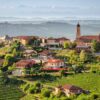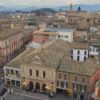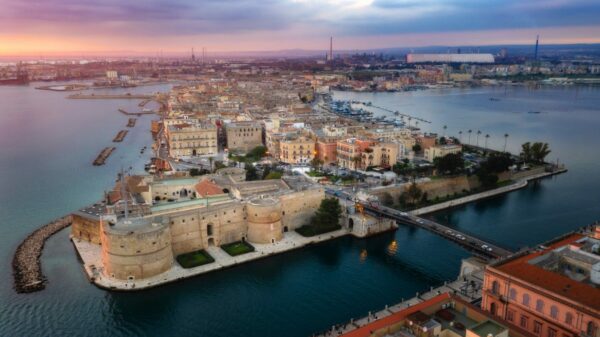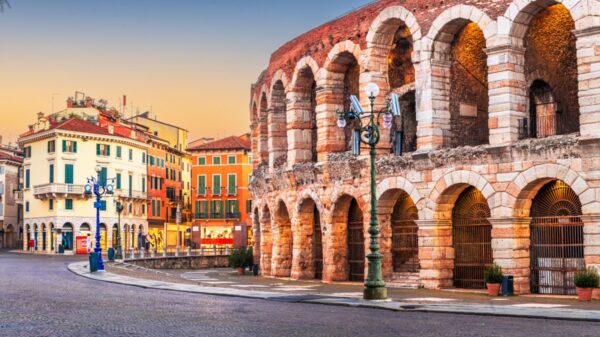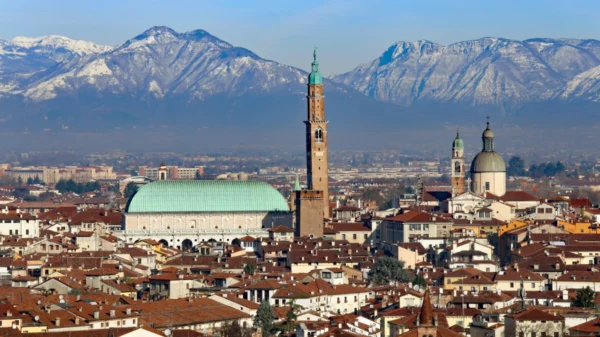


























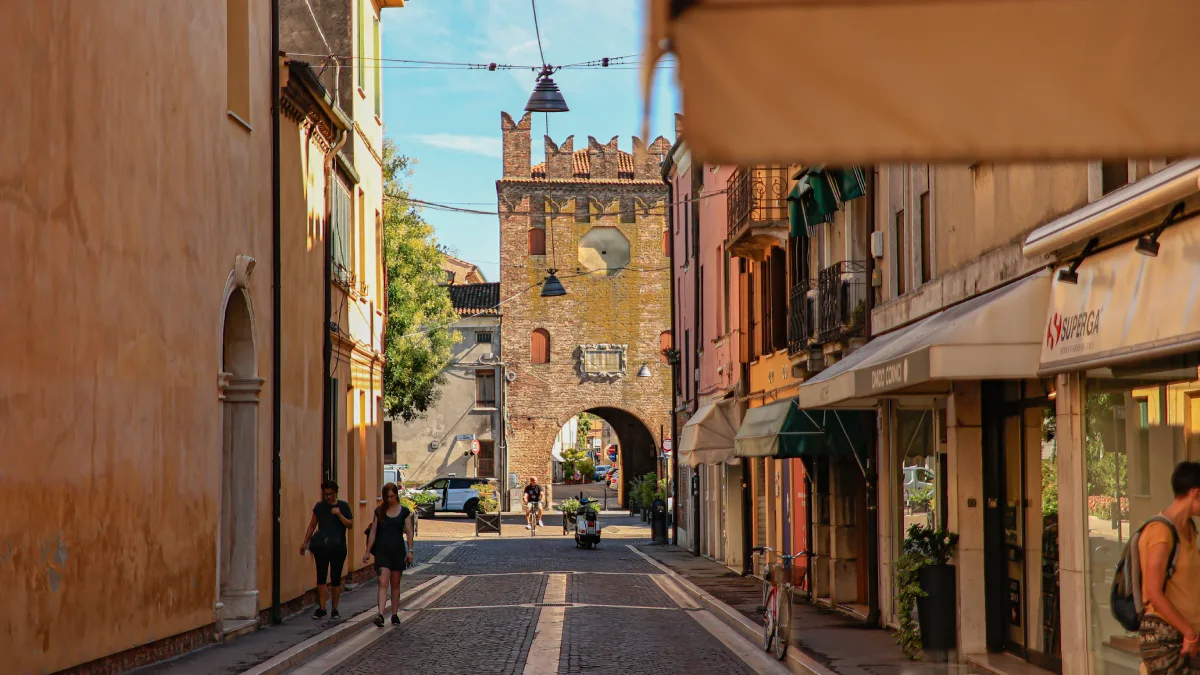
Rovigo, a charming town in Veneto, northern Italy, holds a deep and striking secret in the history of many Brazilians: it is one of the places of origin of many descendants of Italians who emigrated to Brazil in the 19th century and early 20th century.
A century-old story
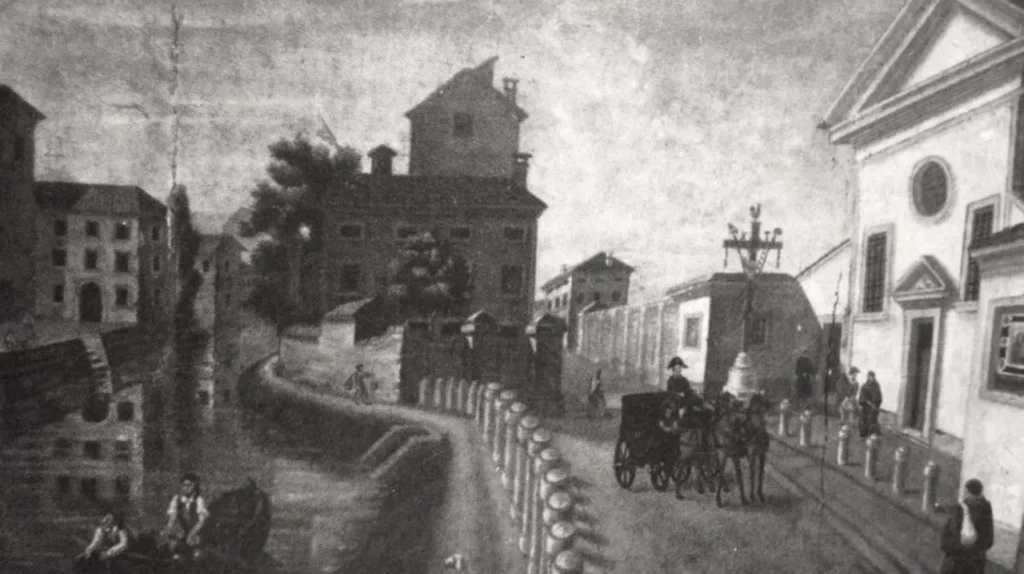
Rovigo has a history that dates back to Roman times. It was founded as a colony called Rhodigium, a name that later evolved into Rovigo. Its strategic location, between the Adige and Po rivers, contributed to its development over the centuries.
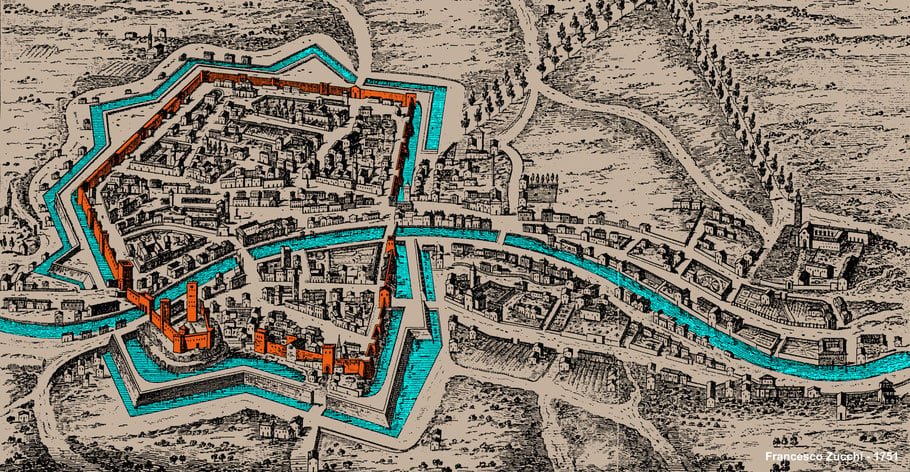
During the Middle Ages, the city grew in importance, becoming an important commercial and political center. Rovigo became part of the Republic of Venice in the 15th century and experienced a period of cultural and economic flourishing.
Illustrious personalities of the city
Rovigo is proud to have been the birthplace of some notable personalities, such as Peter Bembo (1470-1547), a renowned Italian humanist, poet and cardinal. His contribution to the Italian language and his writings on love in poetry are widely recognized.
Another illustrious figure is Sebastiano Venier (1496-1578), a Venetian admiral born in Rovigo. He played a crucial role in the historic Battle of Lepanto in 1571, which is considered one of the greatest naval battles in history.
Rovigo contributed significantly to this migratory wave. Many of the immigrants who left the city and its surroundings settled in different parts of Brazil, influencing the country's culture, cuisine and language.
Lastly, Giovanni Battista Morgagni (1682-1771), an Italian anatomist born in Rovigo, is revered as the “father of pathological anatomy”. His remarkable research, based on observing patients' organs after death, represented a significant advance in the understanding of disease.
Italian immigration and its contribution to Brazil
At the end of the 19th century, many Italians left their homelands in search of a better life in the Americas, and Brazil was one of the most popular destinations.
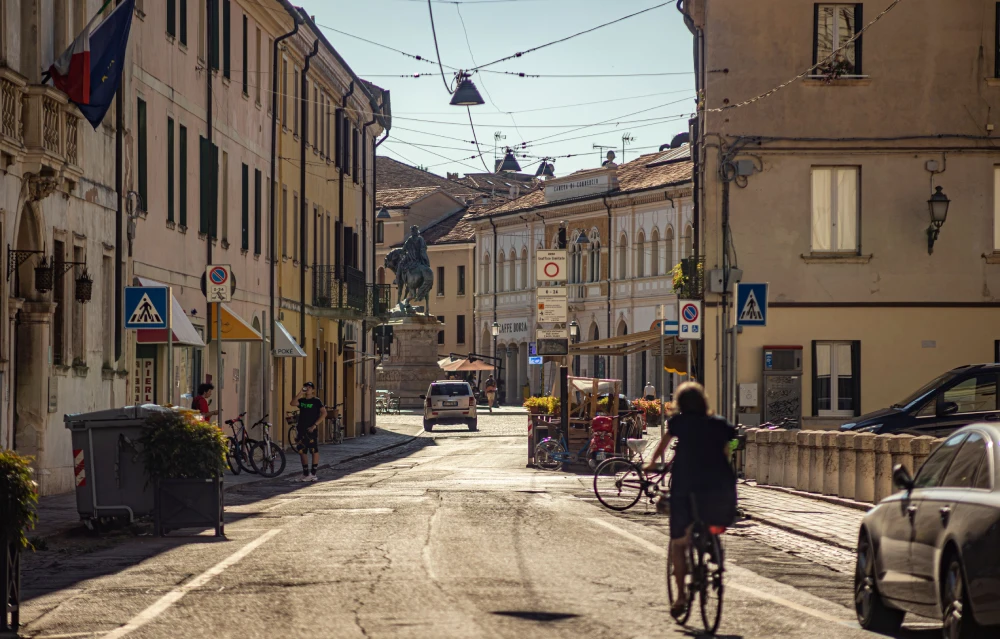
The strong presence of Italian descendants is notable in several Brazilian regions, such as São Paulo, Minas Gerais, Rio Grande do Sul and Espírito Santo, where Italian traditions are celebrated to this day in parties, celebrations and delicious dishes.
Exploring Rovigo
For those who want to discover the land of their ancestors or simply explore the beauty of the city, a one-day itinerary can provide a memorable experience. Here are some suggestions to make the most of your visit:
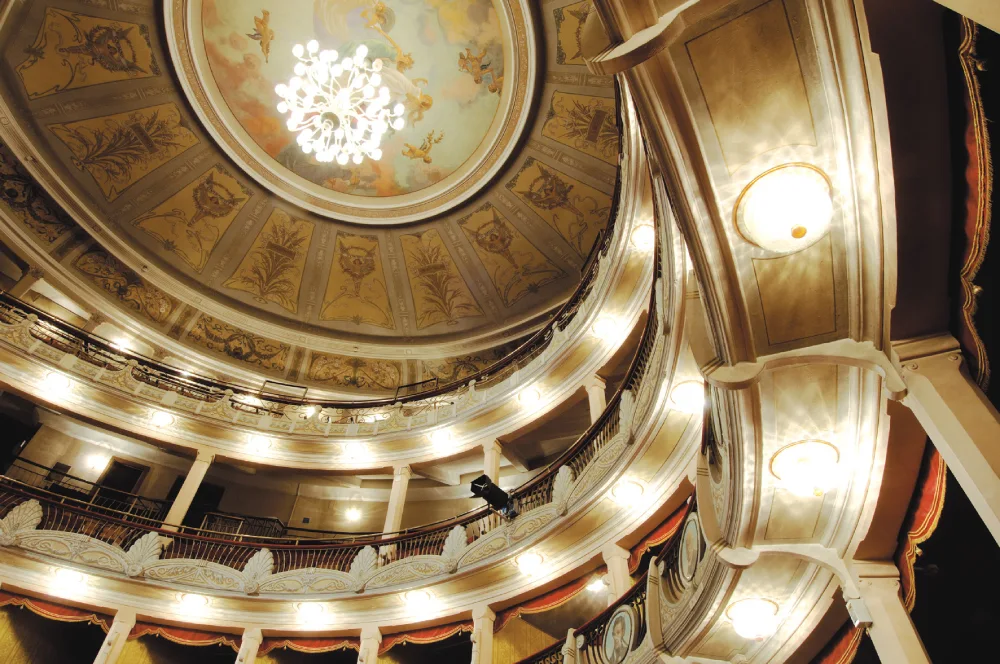
Morning: Stroll through the historic center
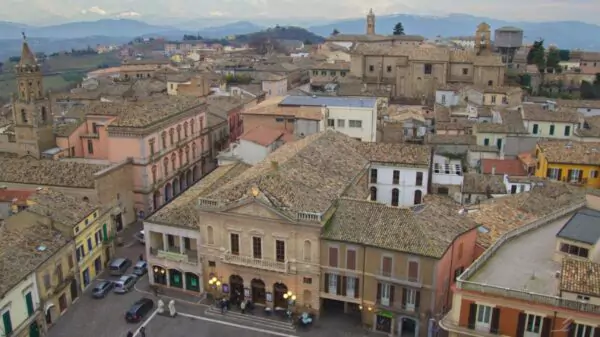
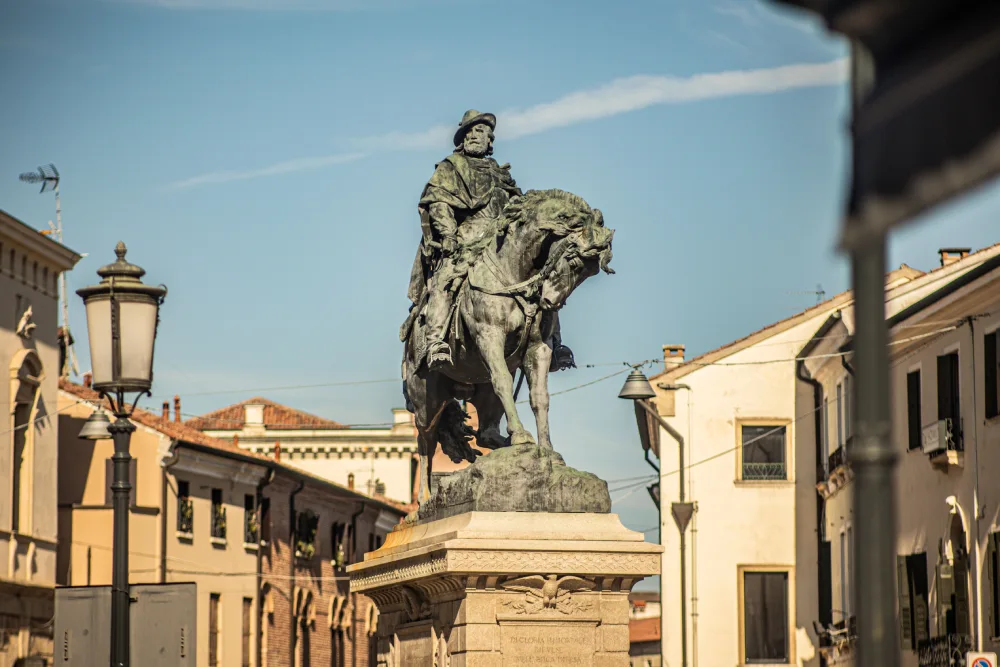
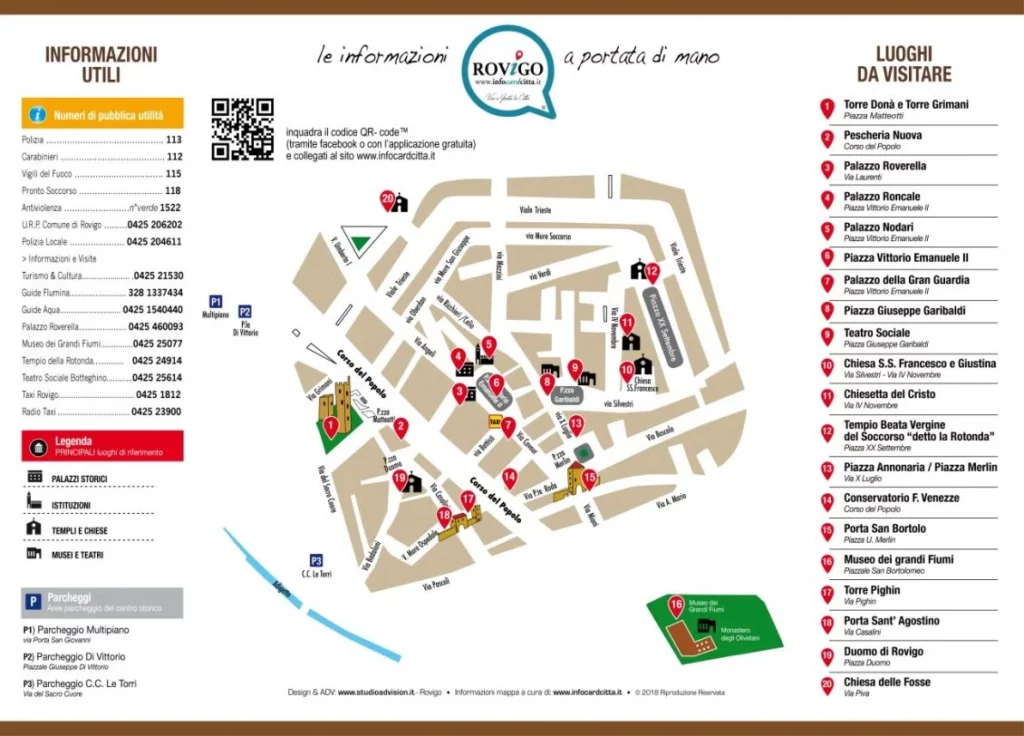
Start your day by exploring the city's historic center, where you'll find picturesque squares, old buildings, and charming streets. Be sure to visit Piazza Vittorio Emanuele II, Rovigo Cathedral and the Temple of the Rotonda, three emblematic attractions of the city.
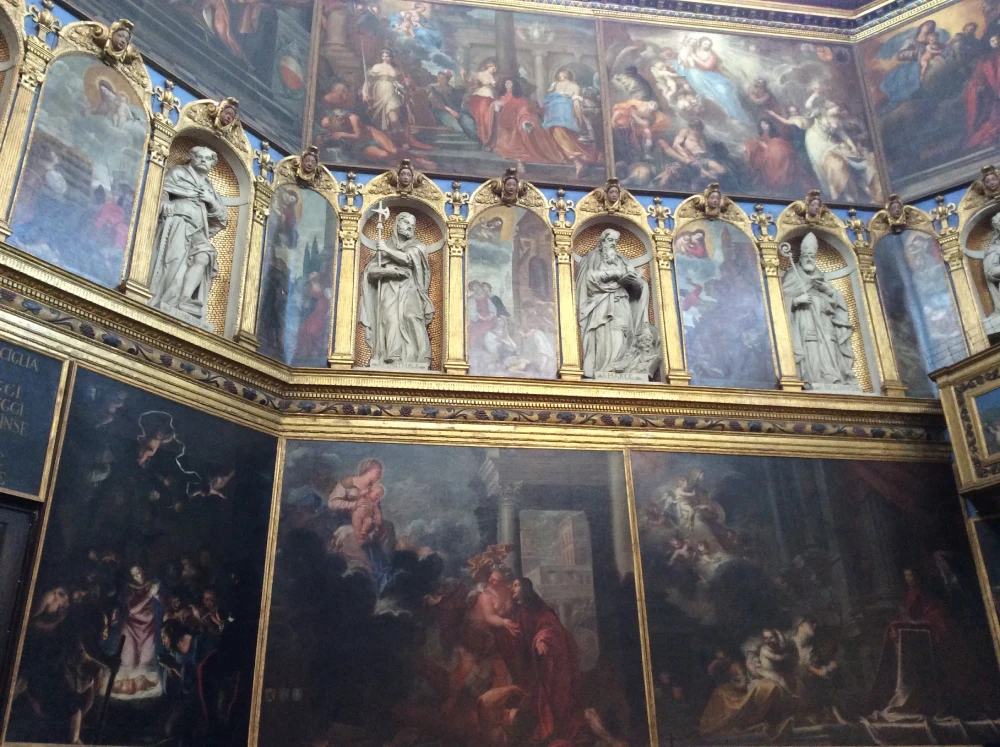
Lunch: Local cuisine
Enjoy an authentic Venetian meal in one of the local restaurants. Try typical dishes from the region, such as risottos, polenta and fresh pasta, accompanied by a good Venetian wine.
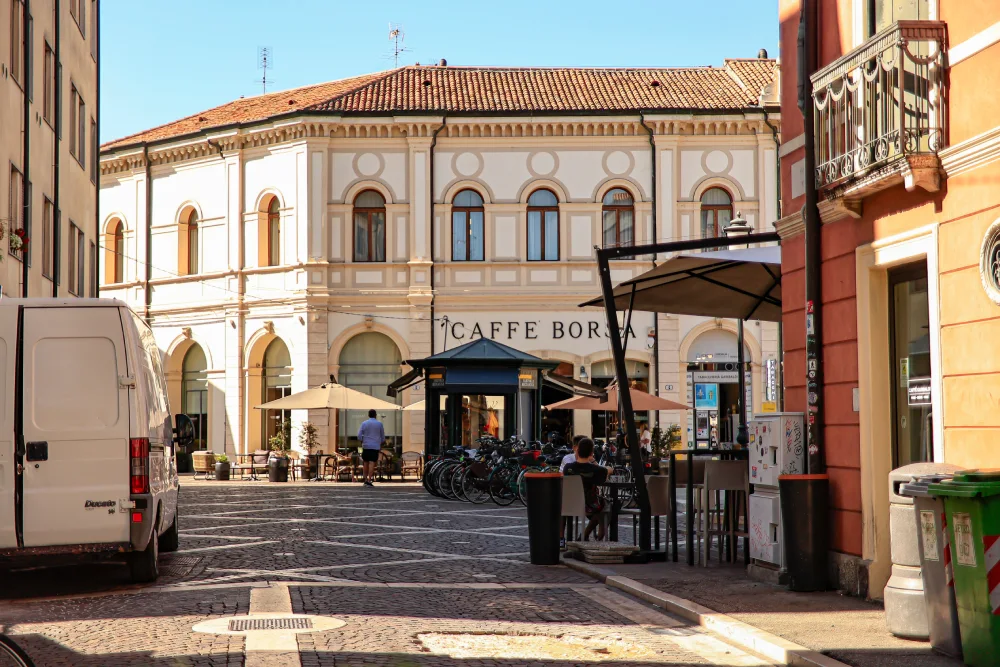
Afternoon: Museu dei Grandi Fiumi
Visit the Museu dei Grandi Fiumi, which offers a fascinating insight into the relationship between the city and its rivers. You will learn about the importance of rivers in the city's history and their influence on local culture.
Evening: Walk along the banks of the Adige
End the day with a pleasant walk along the banks of the River Adige, enjoying the tranquility and beauty of the natural landscapes. It's a perfect opportunity to relax and reflect on the connection between Rovigo and Brazil.
Rovigo is more than just an Italian city; It is a place where the stories of many Brazilians began. Italian immigration shaped part of Brazil's identity, and exploring the city's roots is an enriching journey. Whether you are of Italian descent or just a lover of culture and history, this city offers a unique experience that is worth experiencing.
How to get to Rovigo: A practical guide
1. Airplane:
The closest airport to Rovigo is Marco Polo International Airport, located in Venice, approximately 90 kilometers away. After arriving in Venice, you can choose to rent a car or use public transport to get to the city. There are regular trains that connect Venice with Rovigo, offering a convenient and scenic journey.
2. Train:
Rovigo has a train station well connected to the Italian rail system. You can take a direct train from several Italian cities, such as Venice, Bologna, Rome, and Milan. Rovigo's train station is located in the city center, making it easy to access local attractions.
3. Car:
If you prefer the flexibility of traveling by car, you can rent a vehicle at Venice airport or other nearby cities. Rovigo is located close to the A13 and A18 motorways, which makes it easy to access by car from different regions of Italy.
4. Bus:
The bus system in Italy is well developed, and there are bus services that connect the city with other Italian cities.
Some of the main bus companies in Italy are: