




























Seismic risk, tax incentives, and access to transportation are among the main criteria that foreigners use to choose where to live in Italy, according to a survey by the website. The Local with dozens of residents of foreign origin in the country.
Readers shared how they defined the region and city where they live and offered recommendations to those planning to do the same, from consulting earthquake maps to the reduced tax regime available in some areas.
Earthquakes and a 7% tax
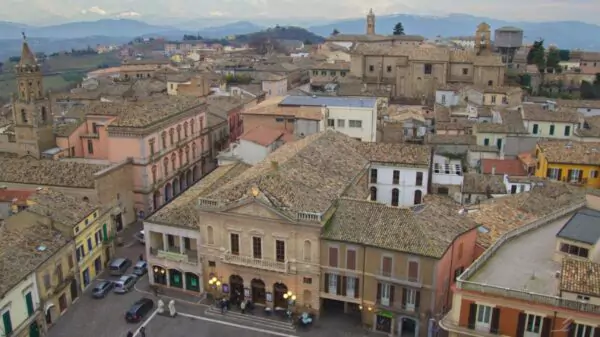
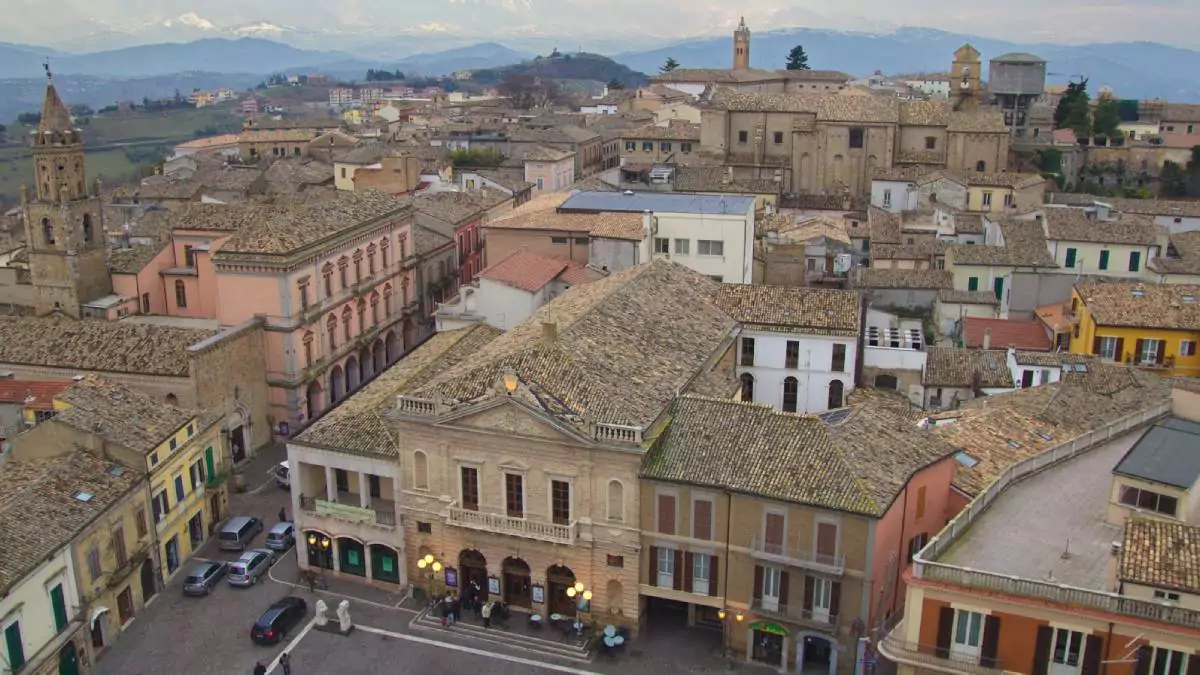
Deborah Maynard, a retired Oregon resident who has lived in Atri for four years, in AbruzzoHe adopted a rigorous method. First, he consulted a map of seismic activity and restricted the search to areas with the lowest risk of earthquakes.
Next, he looked for regions in the south and center, and cities with fewer than 20.000 inhabitants, that qualified for the 7% flat tax program aimed at retirees. He chose Abruzzo for its central location, which facilitates travel to all parts of the peninsula.
"Atri is wonderful. We are very happy here and have never regretted our choice," she says.
Transportation and rural life
Access to public transport frequently appeared among the recommendations. James Charney, who has lived near Orvieto in Umbria for 15 years, says he considered the city of Todi, but gave up because it is isolated and has no train service.
Leanne Davis, who bought the house in They gaspA resident of Tuscany, who has never seen the property before, says that today he would choose a place closer to public transport. "Our area is a hidden gem, but you'll need a car," he states.
Laura, who lives in Ascoli Piceno, in the Marche region, warns against isolation. “Avoid choosing a place based on the American suburban dream, a house on a hill, far from other people. That’s a recipe for loneliness,” she says.
Visit before deciding
Several readers recommended spending some time at the destination before moving. Anna Piperato, a tour guide in Siena for over a decade, suggests a trial stay of one to three months to get a feel for the daily life.
Wes Isley, a resident of Vasto in Abruzzo, advises visiting places that don't immediately impress you more than once. "First impressions aren't always right. Give places more time and you might discover something wonderful," he says.
Jan Wifstrand, a Swede who has lived for two decades in the Niccone Valley in Umbria, sums up the most frequently repeated advice: trust your intuition. "Don't look for property appreciation. Look for your paradise," he says. (With information from The Local)