






































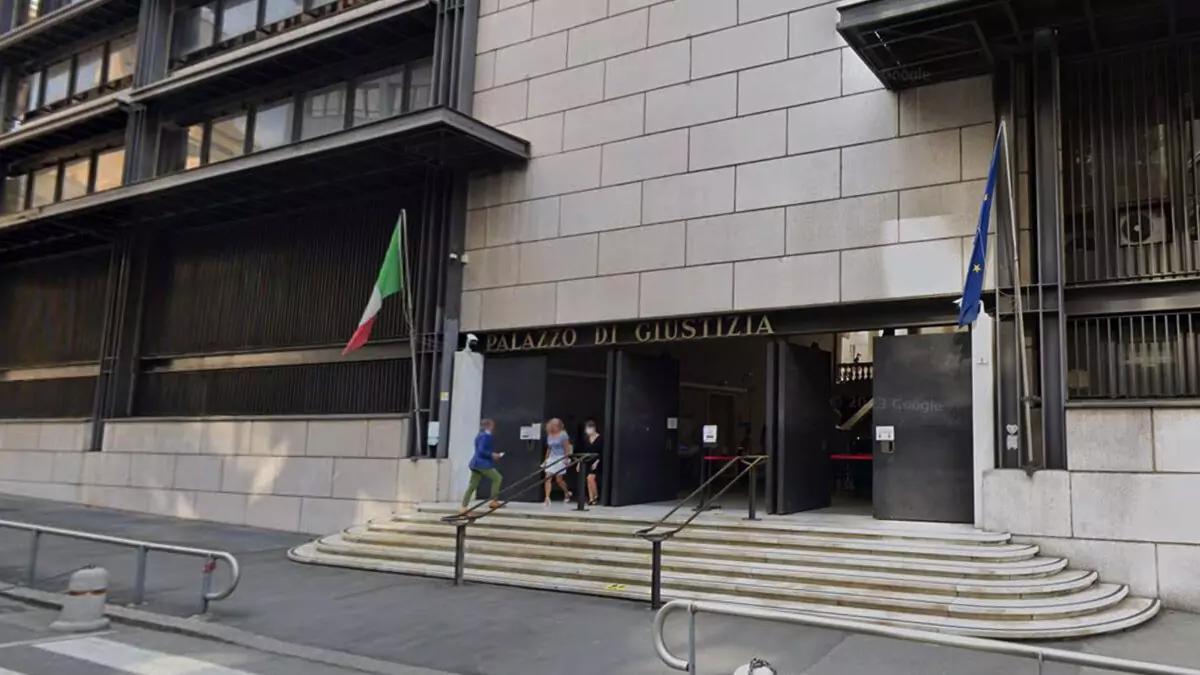
The Court of Genoa, in northwestern Italy, recognized the Italian citizenship of descendants who attempted to schedule consular appointments before March 27, 2025, when the Tajani decree came into effect, but were unable to secure an appointment due to problems with the Italian administrative system.
At least seven recent decisions followed this line., in the last week of July, according to a survey by ItalianismIn one of the three cases to which the portal had access to the full sentence, 13 members of the same family, born and residing in Brazil, had their citizenship recognized. The episode was highlighted this Wednesday (5). by the Italian newspaper La Repubblica, in its Genoa edition.
The three integral sentences analyzed by Italianism The reasoning regarding scheduling attempts and the application of the previous law presents the same wording. The decisions considered screenshots as evidence. Prenot@mi, the official consulate scheduling system, as well as emails, PECs (Electronic Constitutional Proposals), and other communications made before the law changed.
The court noted that those interested tried to secure a spot, but were unable to complete the reservation because the computer system did not accept the request.

The Supreme Court reaffirmed: citizenship is born with the person.
- New legal front opened
- Processes can still be filed.
- Individual assessment before any decision.
The judge Enzo Bucarelli He acknowledged that, "from a literal and formal point of view," the requirements set out in the 2025 reform were not met.
Nevertheless, he concluded that those who did "everything possible" to obtain an appointment before March 27, but were unable to do so due to external causes beyond their control, should not receive different treatment from those who found an available slot in the same system.
The ruling states that making the recognition of citizenship depend exclusively on bureaucratic or IT factors beyond the applicant's control would produce "illogical discrimination" and "manifest injustice," in contrast to the principle of equality enshrined in Article 3 of the Italian Constitution.
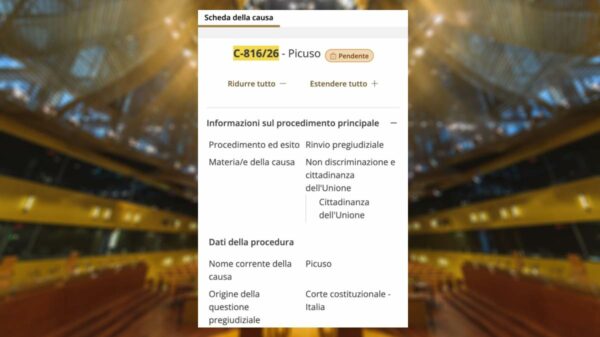
The understanding is based on Constitutional Court Ruling 63/2026. When analyzing the reform, the Court left open the situation of those who had started the procedure but did not receive a scheduling appointment by 23:59 pm on March 27, 2025.
The constitutional decision also established a distinction between those who mobilized before the reform and those who remained inactive, a point used by the Genoa Court in its reasoning.
Other Italian courts are following a similar line. Florence, Brescia, and Bologna have registered similar cases. favorable decisions for descendants who provided documentation. Search for consulates before the time cutoff.
When reporting the case, the La Repubblica The newspaper summarized the problem: "The failures in the functioning of our public administration cannot fall on the aspiring citizens themselves." It noted that waiting lists reached 11 years at the Italian Consulate General in São Paulo, eight in Porto Alegre, and four in Brasília. It also cited an estimate from the Farnesina (Italian Ministry of Foreign Affairs) of approximately 50 new citizens per year at Italian consulates in Brazil.