





































Renting a car and hitting the road is one of the most interesting ways to explore Italy, especially for those planning to visit small towns and regions less served by trains.
But before getting behind the wheel, it's worth checking your documentation. A police stop can turn your trip into a headache if any required documents or equipment are missing.
O Italian Highway Code It establishes a series of requirements for drivers. Some are valid throughout the year; others depend on the situation, the road, or the time of year.
Here are five items that deserve attention.

The Supreme Court reaffirmed: citizenship is born with the person.
- New legal front opened
- Processes can still be filed.
- Individual assessment before any decision.
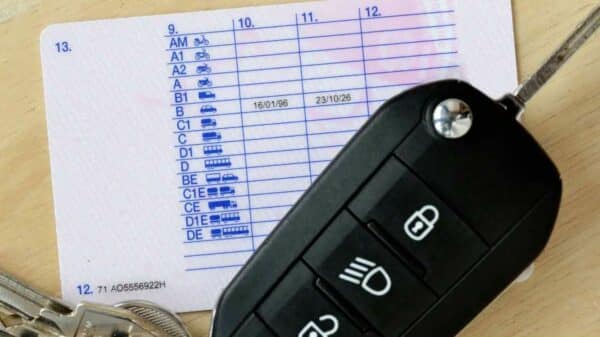
1. Valid driver's license
It seems obvious, but having a driver's license isn't enough. It needs to be valid and qualify the driver for the vehicle category being used.
Anyone who simply forgets their document can receive a fine of €42 to €173. If they subsequently fail to present the documents requested by the police within the established deadline, the penalty can reach €1.731.
Driving with an expired license also results in a fine, ranging from €158 to €638, in addition to the document being confiscated until the license is renewed.
In Italy, licensed drivers can also add a digital version of their driver's license to the platform. “Documenti su IO”, available in the official IO app. By April 2026, more than 9 million digital wallets had already been added to the app.
Can a Brazilian drive with only a driver's license?
Here is one of the most important points for Brazilian tourists.
Italian regulations for driver's licenses issued outside the European Union and the European Economic Area stipulate that the driver must present a valid foreign license along with a International Driving Permit (IDP) or the official translation into Italian.
Driving without an International Driving Permit (IDP) or the required translation can result in a fine of between €408 and €1.634.
In other words, relying solely on your Brazilian driver's license can be costly.
2. Vehicle document
The vehicle registration document, traditionally known as the vehicle registration document, must also accompany the vehicle. circulation card ou libretto.
The document includes information such as owner, technical specifications, power, and vehicle registration data.
The absence of the document during an inspection can result in a fine between €42 and €173. If the authority orders its later presentation and the driver fails to comply, the penalty can range from €430 to €1.731.
In rental cars, the documentation is usually kept inside the vehicle itself. Even so, it's worth confirming before leaving the rental agency.
3. Mandatory insurance
Every vehicle on the road must have civil liability coverage, called in Italy... Auto Civil Liability, or simply Rc car.
The Constitutional Court's decision changed the landscape. The new citizenship law will now be reviewed by the European Union's courts of justice.
Driving without valid insurance This can result in a fine of €866 to €3.464, in addition to the vehicle being taken off the road and other administrative consequences. In case of a repeat offense within two years, the fine is doubled and the driver's license may be suspended for one to two months.
The Highway Code also includes the insurance certificate among the documents that the driver must carry.
For those renting a car, mandatory insurance is usually part of the contract, but that doesn't mean all damages are covered. Deductibles and additional coverage are another matter.
4. Warning triangle
The triangle isn't just there to take up space in the trunk.
Outside of urban centers, when a vehicle is stopped on the road and cannot be seen from a sufficient distance, its presence must be signaled with the regulatory triangle.
The Highway Code expressly states that vehicles must be equipped with this device. If it is not available, the driver must still find another effective way to signal the obstacle.
Failure to comply with the rules for signaling a stopped vehicle may result in a fine of €42 to €173.
5. Reflective vest
Another small item that can prevent a fine, and especially an accident, is the Giubbotto Retroriflettente, the high-visibility reflective vest.
In situations specified by the Highway Code, the driver may not exit a vehicle stopped on the roadway, emergency shoulder, or rest area without wearing a reflective vest or equivalent equipment.
The fine for the violation also ranges from €42 to €173.
In practice, it makes sense to leave the vest inside the passenger compartment and not buried under luggage in the trunk. If necessary getting out of the car on a highwayIt needs to be accessible before opening the door.
In winter, the list may grow.
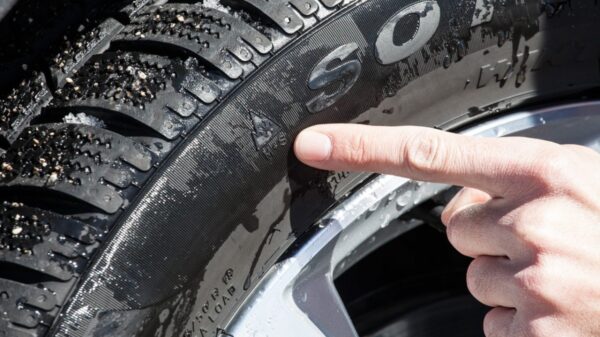
Between November 15 and April 15, some Italian roads require winter tires or snow chains to be carried.
The obligation does not apply indiscriminately to all streets in Italy. It depends on the determinations of those responsible for the roads and the signage installed in that section.
On roads subject to the rule, driving without appropriate tires or chains can result in a fine of €87 to €344.
Therefore, anyone renting a car during the winter, especially in northern Italy or mountainous regions, should confirm with the rental company that the vehicle is properly equipped.
Are you traveling with children?
There are also specific rules.
Children under 1,50 meters tall They must use a restraint system that is approved and suitable for their specific characteristics.
For children under four years of age transported in vehicles covered by Italian legislation, there is also the obligation to have an anti-abandonment device in the situations foreseen by the regulation.
The lack of a retention system can result in a fine between €83 and €332. In case of a repeat offense within two years, the driver may also have their license suspended for 15 days to two months.
And the passport?
One detail needs correction regarding some lists circulating on the internet.
The Highway Code does not specify a separate identity document among the standard documents that every driver is required to carry with their license. Furthermore, the Italian driver's license is considered an equivalent document to an identity card for the purposes of Italian law.
This doesn't mean that a foreign tourist should leave their passport at the hotel under all circumstances. The rules are different.
For a Brazilian driving in Italy, the main concern behind the wheel should be having the proper documentation to drive: Valid driver's license accompanied by an International Driving Permit or official translation.in addition to the vehicle and insurance documents.
Checklist before leaving
To avoid problems, check:
- valid driver's license;
- PID or official translation, when required;
- vehicle registration document;
- insurance certificate;
- warning triangle;
- reflective vest;
- Suitable chains or tires when winter tires are required;
- Use an appropriate car seat if you are traveling with children.
It only takes a few minutes to check before hitting the road, and it's a good way to avoid ending your Italian vacation with a fine in the glove compartment.