








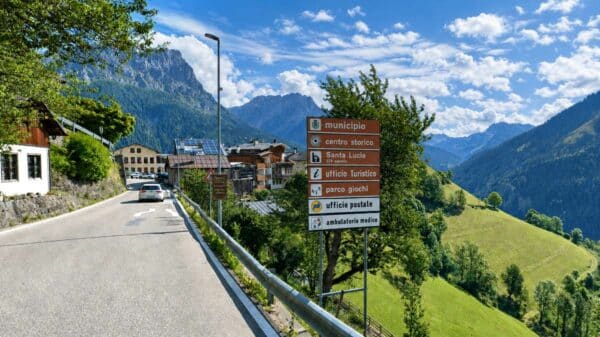
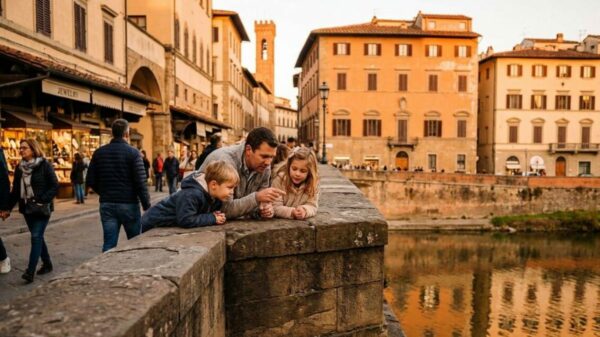















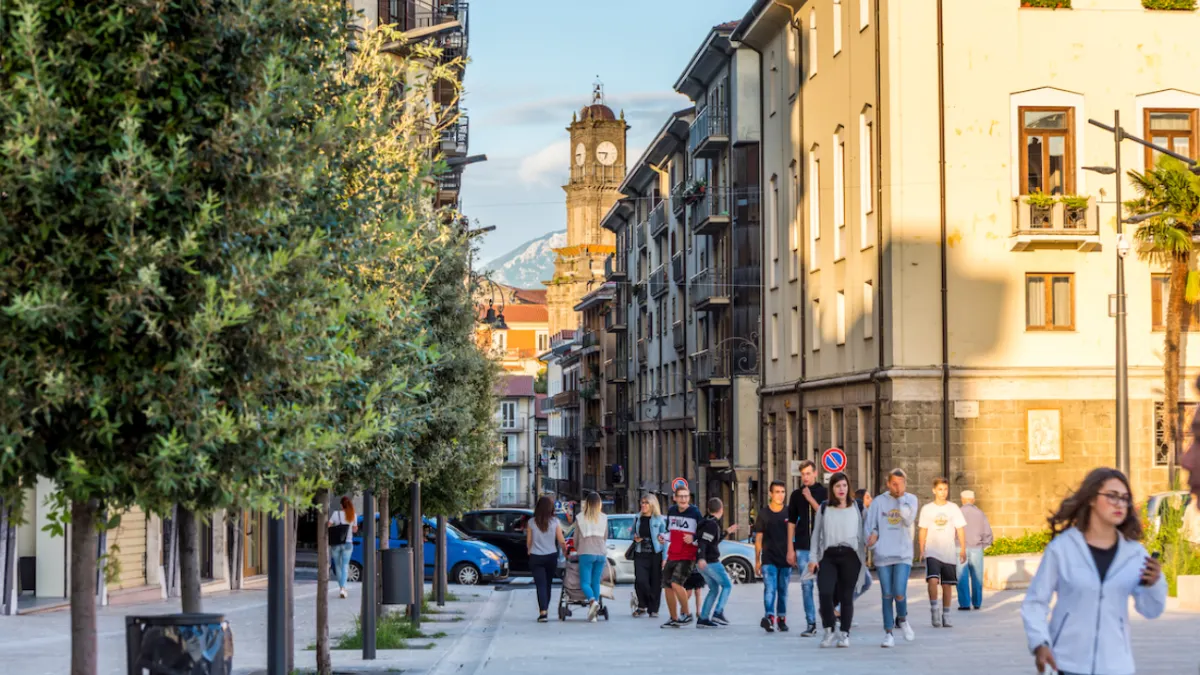
Avellino, situated in the heart of Italy's stunning Campania region, is more than just a picturesque town.
With a robust economy and a rich cultural heritage, Avellino is a destination that captivates everyone who visits.
This city, which played a significant role in the history of Italian immigration to Brazil, offers much more than natural beauty; it is a portal to the past and a beacon to the future.
Explore ancient traditions, enjoy rich cuisine and immerse yourself in Italian authenticity, all against the majestic backdrop of the Apennines. Avellino is a discovery worth making.
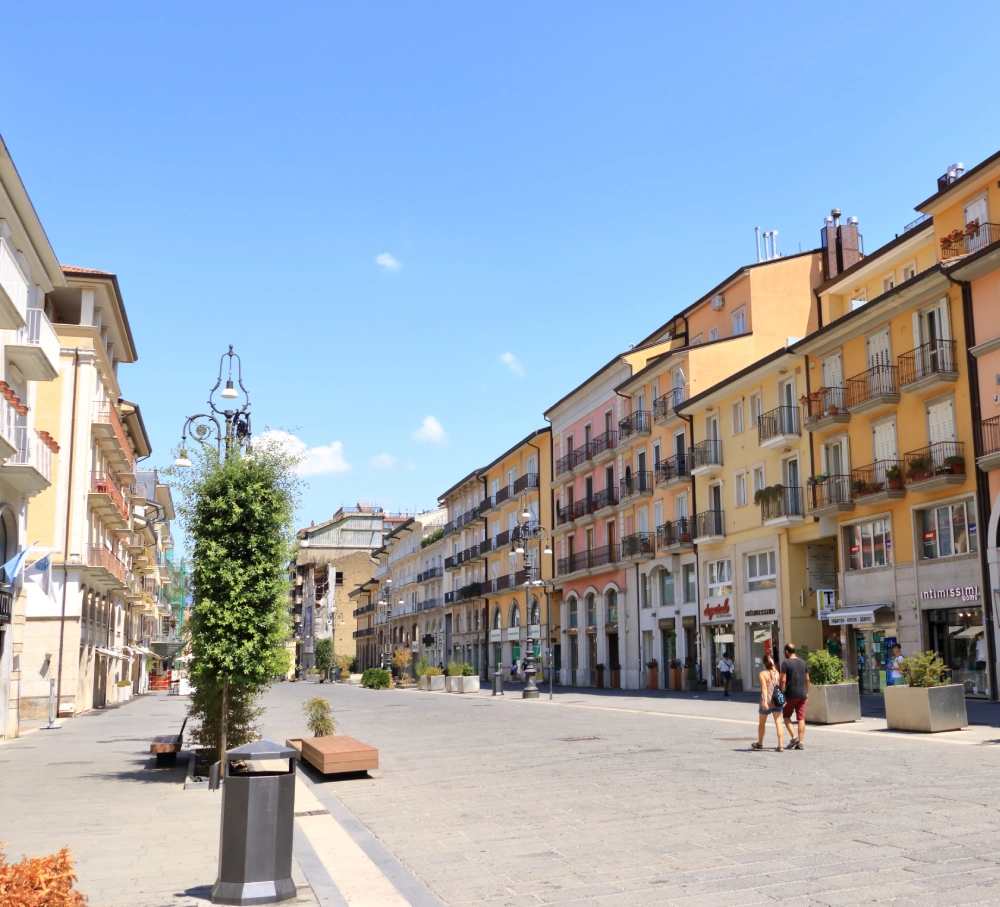
Economy, tourism and culture of Avellino
Founded in the heart of the Apennine basin, surrounded by imposing mountain massifs, Avellino has deep roots that date back to the era of the Lombards.
Its historic center, dating from this period, is a treasure trove of historical discoveries, including the majestic Cathedral, built from 1132 in honor of the Assumption of the Virgin Mary. The grand neoclassical façade, dating back to the 12th century, is an architectural masterpiece that tells stories of centuries past.
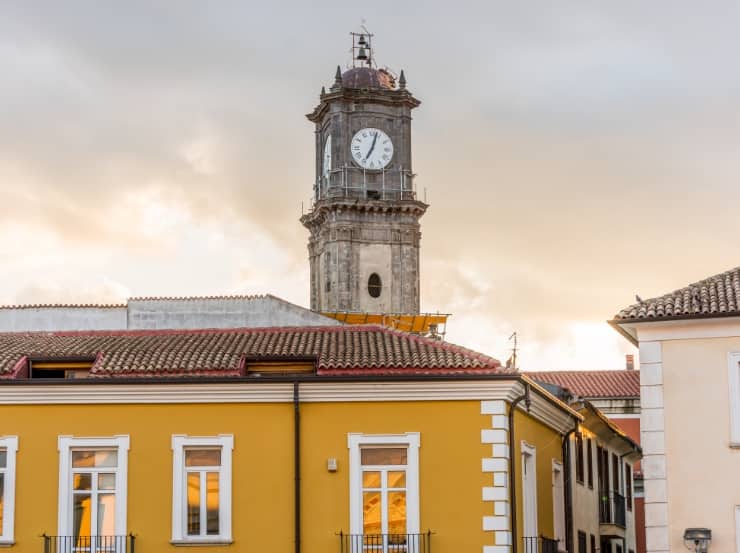
In the heart of the city, the imposing Clock tower, 40 meters high, touches the hearts of citizens with its majesty.
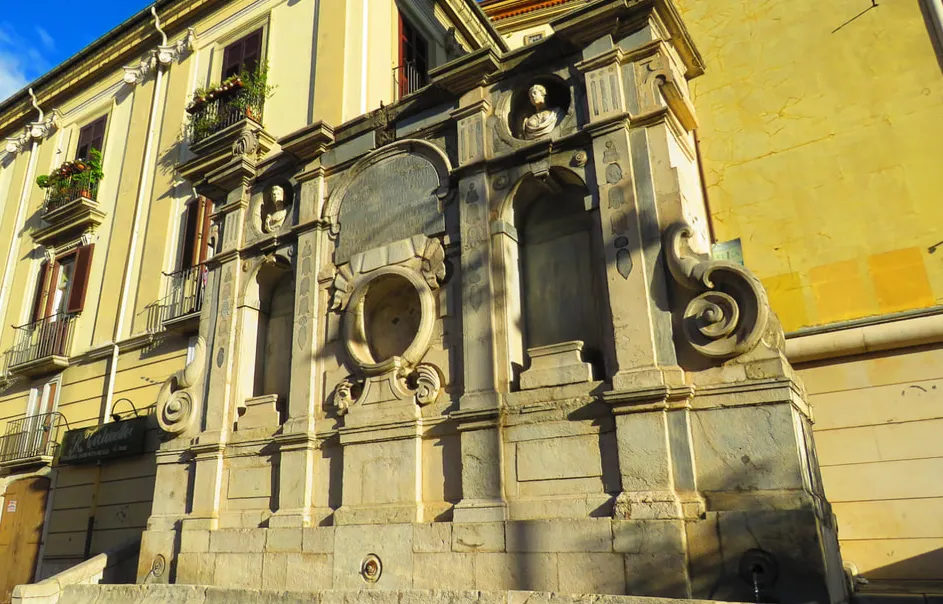
Campania economic hub
In addition to its rich traditions and history, Avellino is an economic hub in Campania. The vineyards and vegetable gardens stretch as far as the eye can see, called Green Irpinia, contributing to the renowned production of Taurasi wines. This full-bodied wine is enjoyed not only locally but around the world.
The city is also famous for its Montella chestnuts, an essential ingredient in regional cuisine.
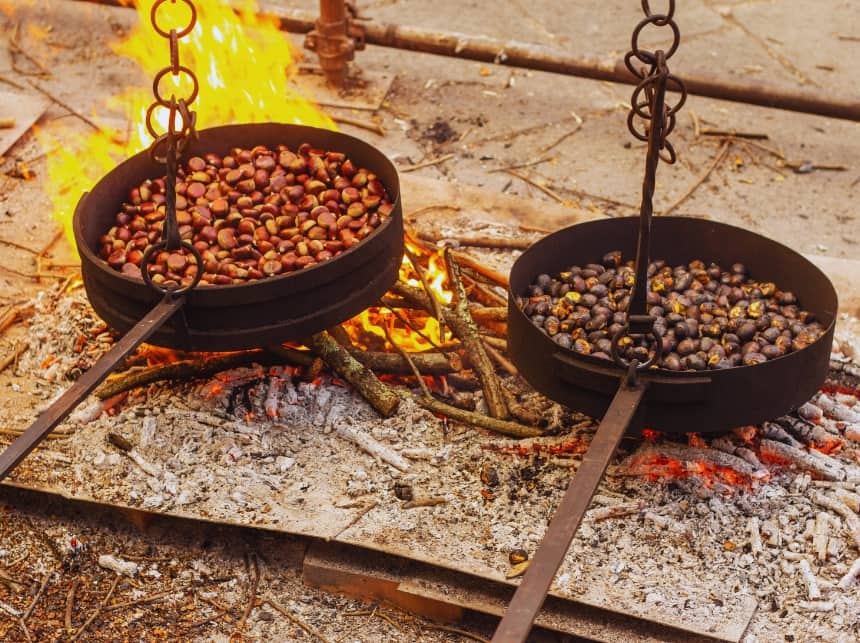
Typical dishes, such as Fusilli Avellinesi and Sausage rosso di Castelpoto, are true delights for lovers of Italian cuisine. To the Irpine pizzas, with authentic flavors, conquers everyone’s palate.

What to do in Avellino
1-day itinerary to enjoy the best of Avellino:
Morning: Start with a visit to the Cathedral and Clock Tower to absorb the city's history and beauty.
Lunch: Enjoy an authentic meal at one of the local restaurants, sampling traditional Taurasi dishes and wines.
Late: explore the Irpino Museum and end the day with a stroll through the charming streets of the historic center.
Attractions worth a visit:
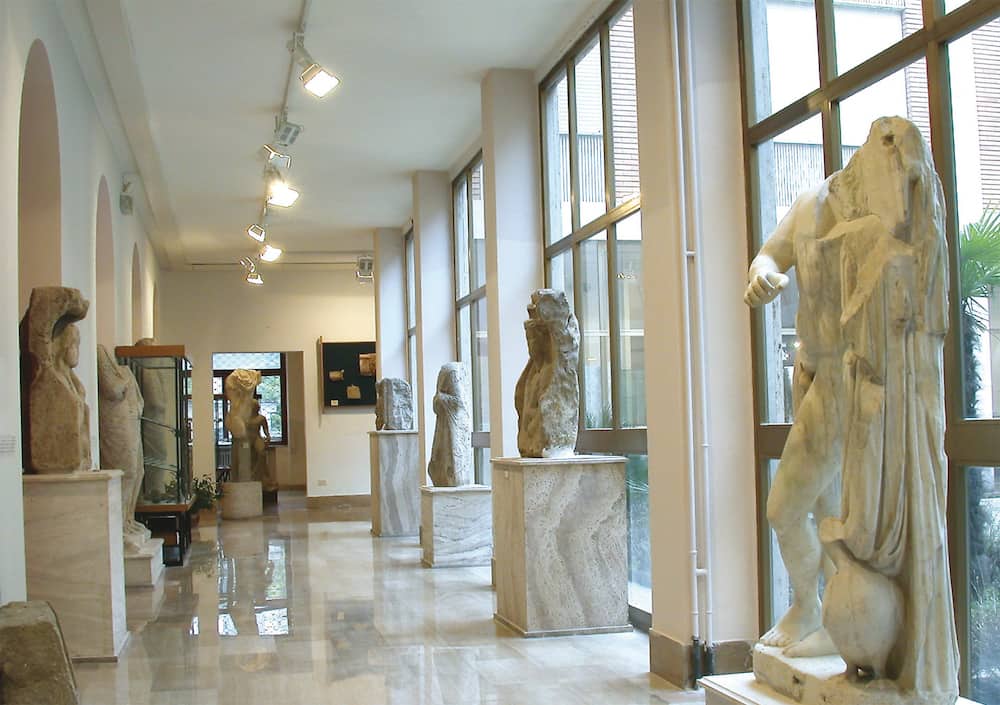
Irpino Museum: For a dive into the history of Avellino and the Irpinia region, the Museo Irpino is a must-see. Artifacts, paintings and sculptures reveal the region's deep cultural roots.
Basilica of San Modestino: This 16th century church, located in the heart of Avellino, is an art sanctuary. Among the treasures it houses, the works of the famous Italian painter Luca Giordano stand out.
Castello Normanno di Avellino: For stunning panoramic views, climb the Norman Castle. Built in the 11th century, it offers a unique view of the city's surroundings.
Parco Regionale dei Monti Picentini: Nature lovers will find their paradise in this regional park. Hiking, mountain biking and bird watching are just some of the activities available.
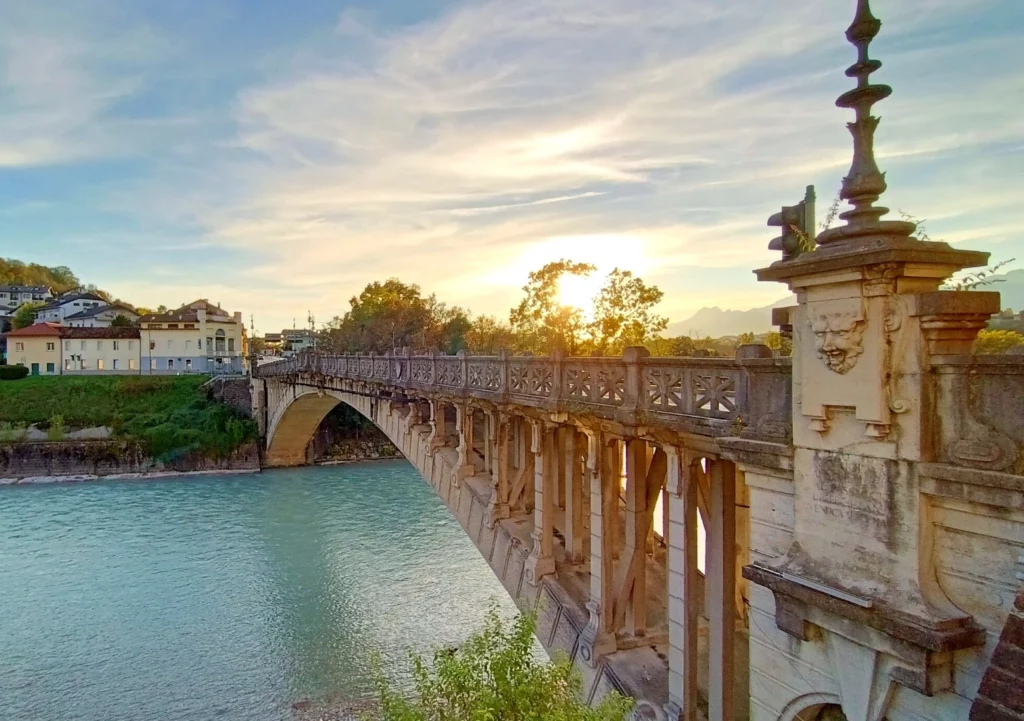
Leper Bridge: Near Avellino, the Leproso Bridge is a jewel of Roman architecture, over 2.000 years old. An ideal place for photographers and history lovers.
Villa Communale: This public park in the city center offers stunning views of the surrounding mountains, making it an ideal spot for relaxing, picnicking, and walking.
Descendants of Italians in Brazil
The city of Avellino has played a significant role in the history of Italian immigration to Brazil. Many Brazilians have roots in Avellino and its centuries-old traditions.
The province of Avellino stands out as a significant starting point for the Italian diaspora.
After all, the history of Avellino and its connections with Brazil reveal a legacy that transcends borders and celebrates Italian heritage.
Notable figures who were born in Avellino
Avellino is also the birthplace of several illustrious people who have contributed significantly to culture, politics, science and art. Here are some notable figures who were born in Avellino:
Luigi Di Maio (06.07.1986/5/XNUMX), exponent of the XNUMX Star Movement, was born in Avellino. He is one of the most prominent political figures of recent years in Italian politics.
Gerolamo Angeriano (1470 – 1535) was an Italian humanist of the Renaissance. He is best known for his work “Acerba,” which is a poem in Latin that criticizes the society of his time and discusses moral and philosophical issues.
The most important cities in the province
In addition to the city of Avellino, the provincial capital, there are several other cities and municipalities that contribute to the region's diversity and attractions. Here are some of the main cities in the province of Avellino:
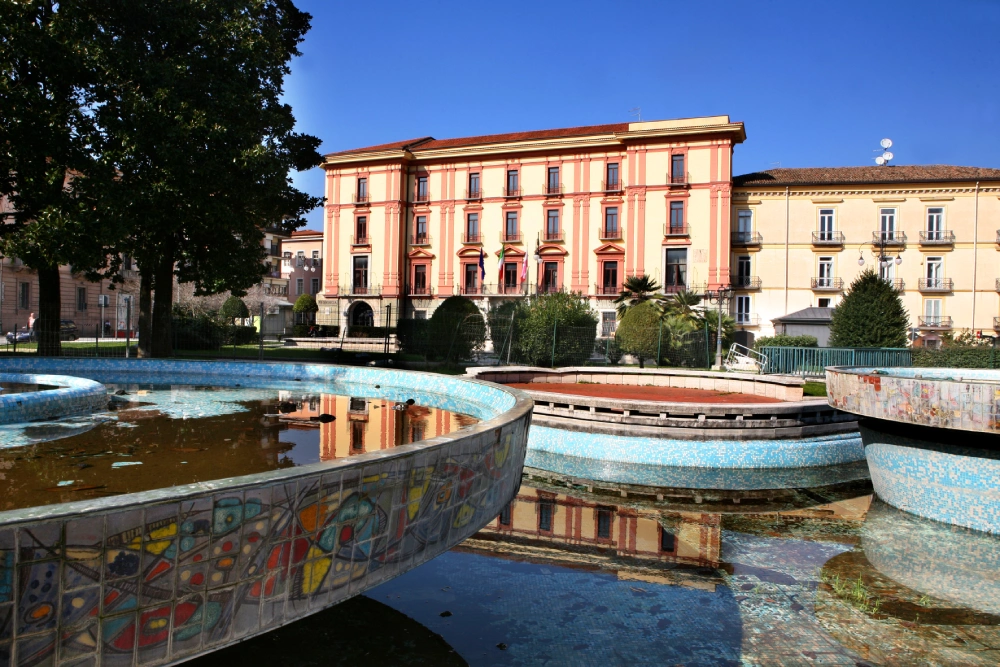
- Avellino – The capital of the province, Avellino, is a historic city offering a wealth of cultural attractions, including museums, ancient churches and a charming atmosphere.
- atripalda – A neighboring town to Avellino, Atripalda has a rich history and is famous for its architecture and points of historical interest.
- Monteforte Irpino – This charming town is known for its narrow, winding streets, stone houses and stunning views of the surrounding mountains.
- Million – Lioni is famous for its natural beauty and is a starting point for exploring the Picentini Mountains. Furthermore, the city is known for its high-quality olive oil production.
- Sant'Angelo dei Lombardi – This historic city is rich in tradition and culture, with local festivals and events that celebrate its roots.
- solofra – Solofra is famous for its high quality leather production. It's a popular destination for those looking for Italian leather goods.
- Mirabella Eclano – A city rich in history, Mirabella Eclano is home to Mirabella Castle, an ancient fortress with spectacular views.
- Calabritto – Known for its beautiful landscapes and vineyards, Calabritto is a peaceful town that offers a refuge from the hustle and bustle of urban life.
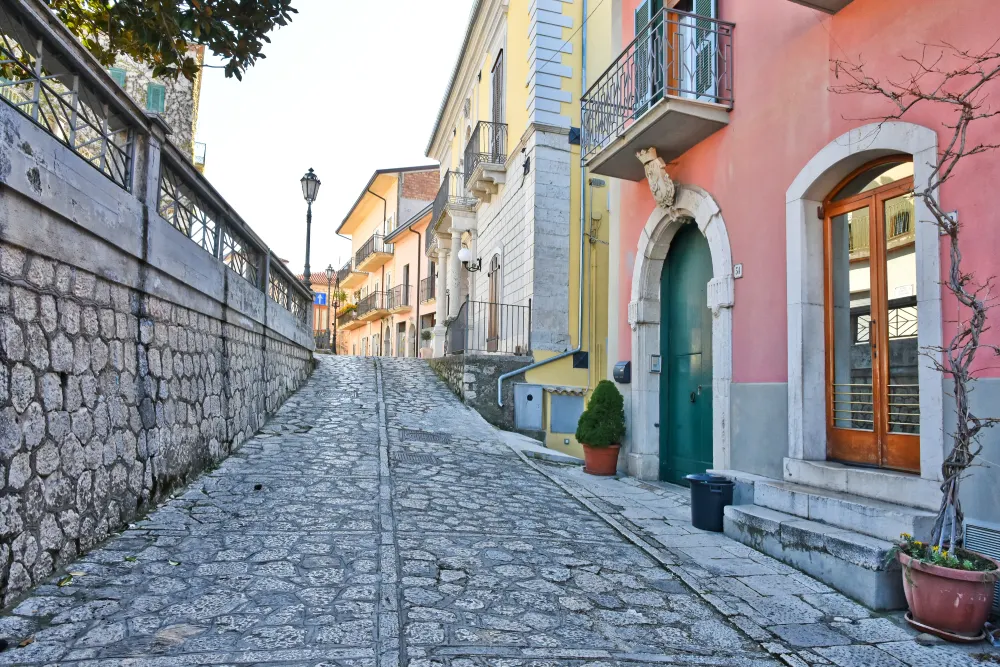
Avellino, with its natural beauty, rich cultural heritage and influence on the Italian diaspora, is a destination worth exploring.