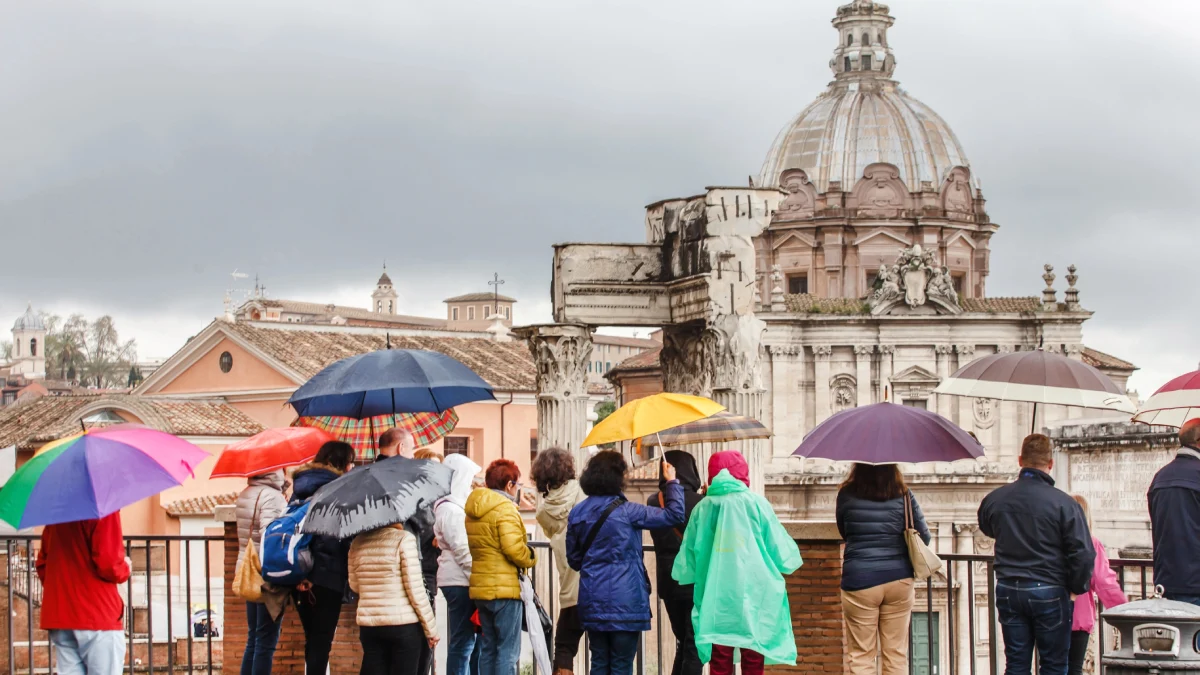
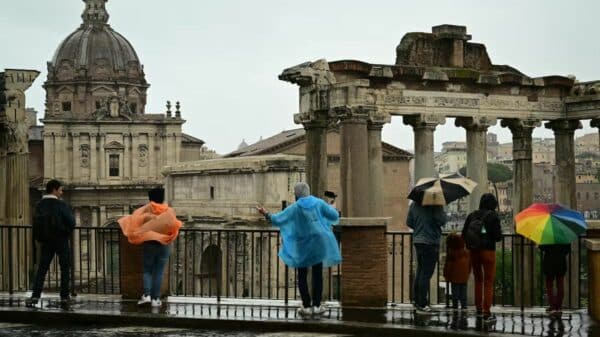
Tourists visiting Rome in the rain | Photo: Depositphotos
Italy, with its rich history, art and cuisine, is a popular destination for travelers from all over the world. However, as with any place, there are times when it’s better to visit than others.
In this article, we will explore the least recommended times to travel to Italy and the reasons that make them less attractive.
Why avoid certain periods?
High season and crowds: The months of July and August are considered high season in Italy. Historic cities like Rome, Florence and Venice are crowded with tourists, prices rise and services can be slower.
Extreme weather: The Italian summer can be very hot and stuffy, especially in the south of the country. High temperatures can make exploring cities and archaeological sites less enjoyable.
Holidays and events: National and religious holidays can cause an increase in tourist numbers and prices, as well as limit the availability of restaurants and shops.
Adverse weather conditions: Winter, especially in the months of December to February, can be cold and rainy in some regions of Italy. Mountainous regions may experience snow, which may limit some activities.
What are the worst months to visit Italy?
August: The month of August is, without a doubt, the worst month to visit Italy. Temperatures are very high, cities are crowded and many Italians take vacations during this period.
September to December: After the summer, Italy still receives many tourists, especially in September and October. November and December, in turn, are rainier and colder months, especially in the north of the country.
March and April (Easter): Holy Week is a busy period in Italy, with many religious events and holidays. Prices are usually higher and reservations must be made in advance.
When to visit Italy?
The best time to visit Italy is during the spring (April to June) and autumn (September to October). During these periods, the weather is pleasant, the crowds are smaller, and prices are more reasonable.
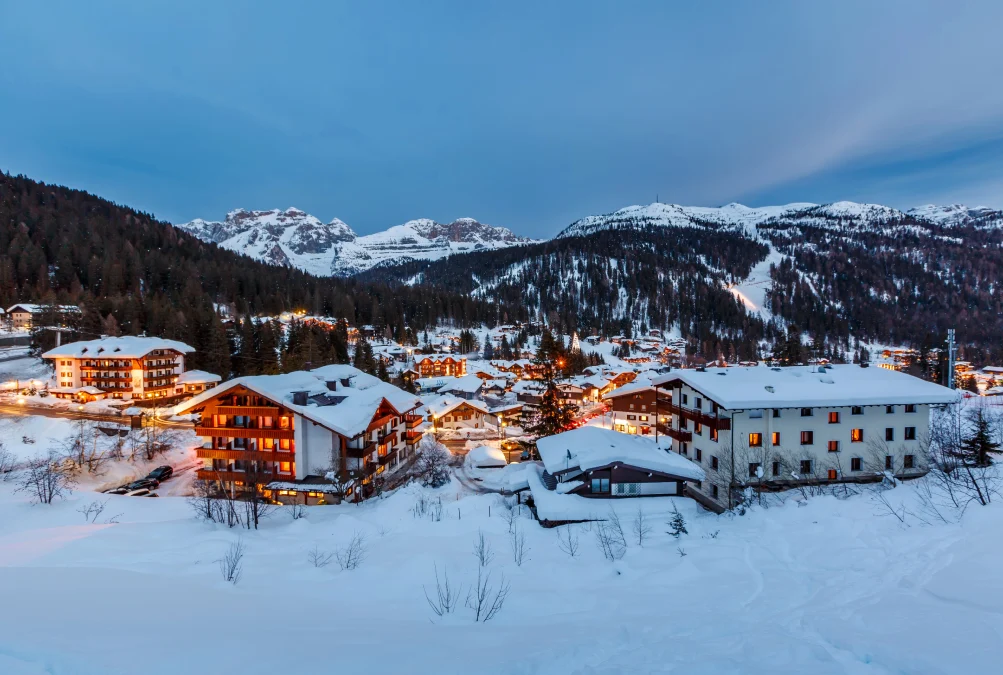
Winter: If you're interested in skiing or visiting historic towns with fewer tourists, winter can be a good option, especially in regions like the Italian Alps. However, be prepared for the cold and the possibility of snow.
Madonna di Campiglio: snow destination in Italy | Photo: Depositphotos
Tips for planning your trip
Book in advance: If you plan to travel during peak season or holidays, book your flights, hotels and tickets in advance to ensure the best prices and availability.
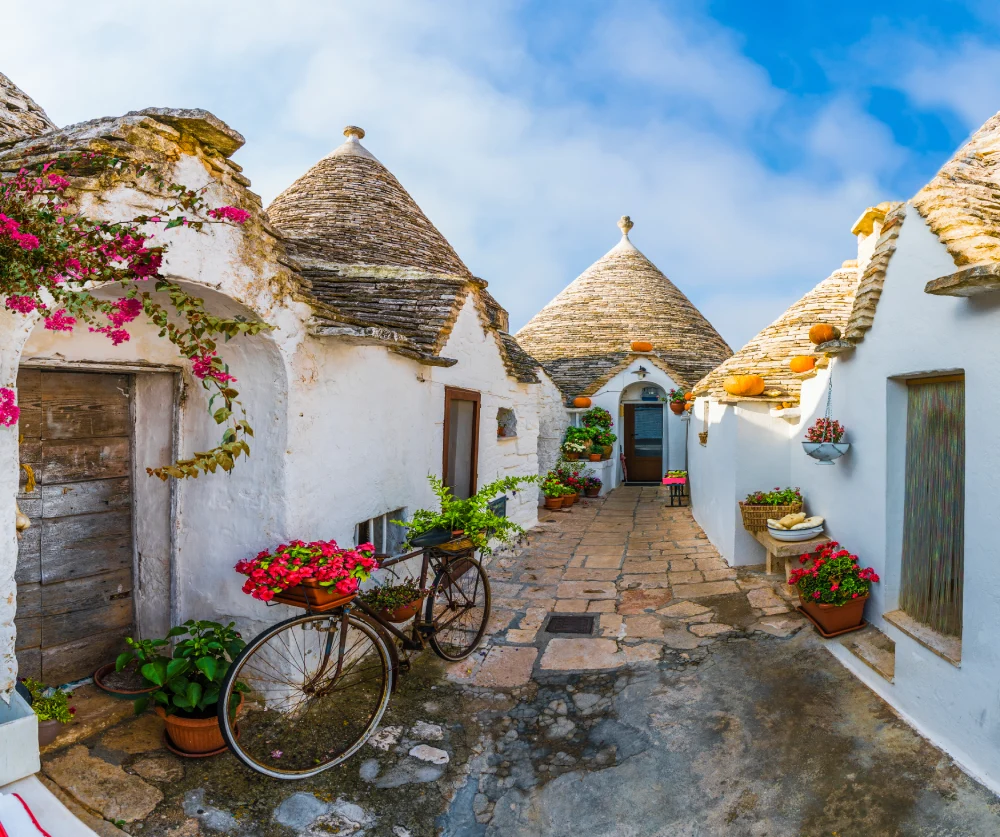
Choose lesser-known destinations: To avoid the crowds, consider visiting smaller towns and Italian villages such as Cinque Terre, Alberobello or Matera.
Be flexible: If you have date flexibility, try to travel during the low season to enjoy lower prices and less crowds.
Check the weather: Before packing your suitcase, check the weather forecast for your destination. Take into account temperatures and the possibility of rain.
Traditional trulli houses in the town of Alberobello, Puglia | Photo: Depositphotos