

































A study released by Italy's National Institute of Statistics (Istat) on Wednesday (28) showed that the number of births in the country fell again in 2017.
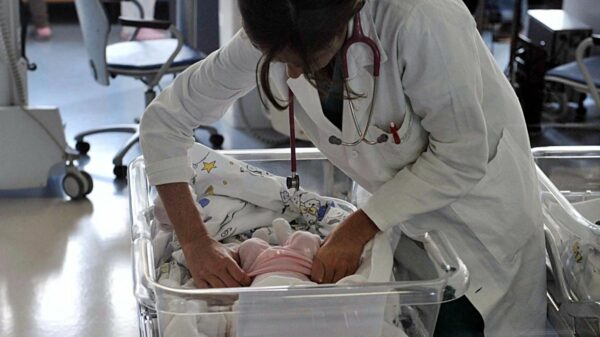
According to Istat's report, 458.151 babies came into the world on Italian soil last year, 15 fewer than in 2016.

Between 2014 and 2017, there was a decline of around 45 thousand births. In 10 years, the drop is almost 120 thousand births.

“As expected, the birth rate is still falling, a phenomenon that has lasted a decade and is due to structural factors, but this should not make us think that it is an irreversible phenomenon and that we cannot intervene”, explained Vittoria Buratta , director of social statistics at Istat.
According to the report, the decline in the female population between 15 and 49 years old in Italy – 900 fewer women in this age group in 10 years – is one of the main factors in the decline in the birth rate, which began in 2008.
For Vice Prime Minister and Labor Minister Luigi Di Maio, the decline in births in the country “is a drama that has been happening for years”. Furthermore, he stated that the growth that the peninsula “needs” in 2019 is the number of children.
Concerned about the low birth rate, the Italian government announced a series of measures to encourage couples to have children. The main one is the renewal of the “baby bonus”, monthly aid of 80 or 160 euros for each newborn or newly adopted child on Italian soil.
The government also intends to increase the amount of the benefit, which is paid over a year, by 20% for couples who choose to have a second child. (ANSA)