



































Italy seems to live in two eras. Digitization is heralded in laws, platforms, and acronyms like SPID and PEC. But in practice, the state bureaucracy still operates at the pace of the 1980s, especially in public administration and the civil justice system.
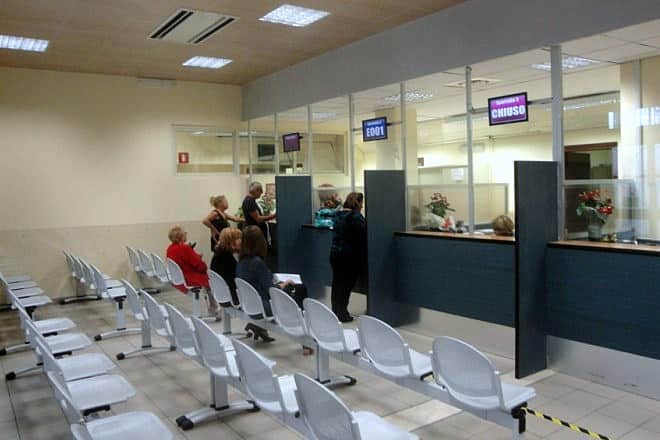
The case of Italian citizenship registration for Italian descendants is a clear example. Even after judicial or administrative recognition, thousands of people wait months or years for their documents to finally be registered in Italian "registry offices". (Civil Registry Offices, or Ufficio dello Stato Civile).
In Rome, the largest comune in the country, which should serve as an exampleThe average waiting time exceeds two years. It is a symbol of inefficient bureaucracy that fails to live up to the promise of modernization. What should be automatic and digital becomes a manual, printed, and stacked process, waiting for stamps.
Francesca Barbanti, responsible for transcribing foreign civil documents at the Comune of Rome, confirms the seriousness of the situation. In a recent interview with the website Public LensShe described the situation as a true institutional impasse.

Law 74/2025 is being challenged in the Court of Justice of the European Union. For thousands of descendants, the next step depends on understanding how the new rule has affected each case.
Your case may still have a legal outcome.
ANALYZE MY CASE"The regulations mandate the use of paper documentation, but at the same time no longer authorize employees to request it. It's a 'dead end' that paralyzes office activity."
Resistance to digitization lies not only in the technical infrastructure, but also in the mindset of management itself. Many employees prefer old methods out of habit or fear of the new. As a result, digitization is reduced to sending PDFs by email—which are then printed and treated as physical documents.
As legal expert Nicholas Ferrante warns in the newspaper il Fatto Quotidiano, "digitalization becomes a superficial coating over outdated procedures." The promise of efficiency, cost reduction, and speed is not being fulfilled.
Without structural reform and cultural change, digitalization will remain just a facade. For people of Italian descent, the dream of Italian citizenship becomes a labyrinth of contradictory rules, endless waiting, and frustration.
There is still discussion about creating a centralized body in Rome to handle all Italian citizenship applications submitted abroad, which would mean concentrating the management of processes originating from hundreds of embassies and consulates in a single location.
In a system already paralyzed by contradictory rules and outdated practices, centralization, far from representing efficiency, can generate even more delays and disconnection from local realities.