


























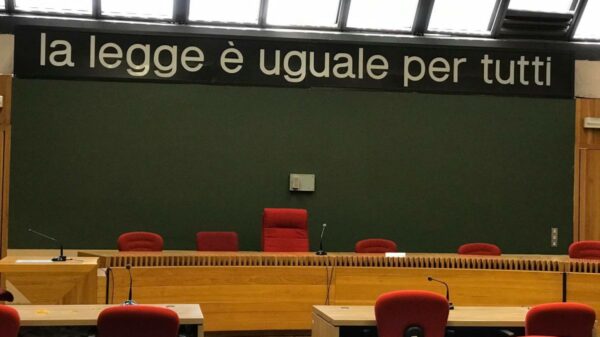











An immigrant living in Veneto, in northern Italy, a decade ago had a peculiar problem when applying for Italian citizenship by naturalization: his previous convictions, including three offenses related to excessive alcohol consumption, were decisive for the interior Ministery and the Regional Administrative Court of Lazio denied his request.
Obtaining Italian citizenship through naturalization, based on length of residence in the country, in this case, is not merely a formality, but a process subject to careful evaluation by the authorities, including requirements such as the absence of a criminal record, financial sustainability, and integration into Italian society.

According to the newspaper Il Gazzettino, in addition to the three alcohol-related offenses, there was also a violation of wildlife protection regulations.
The immigrant's lawyers highlighted his decade-long integration into the Venetian community and argued that the infractions were “very distant”. However, the judges maintained their refusal, highlighting the need for “convincing adherence to the fundamental values of the legal system”.
Apparently the fact that you differentiate between a pizza daisy and a capricious is not enough to win the hearts (or, in this case, citizenship) of Italians. It is necessary to have behavior that demonstrates respect for the laws and adherence to the values of civil coexistence.
What are the requirements for Italian citizenship by length of residence?
Obtaining Italian citizenship through naturalization is not an automatic right, but a concession subject to the discretion of the administration.
To acquire it, it is necessary to complete a minimum period of residence (10 years for non-EU citizens, 4 for Europeans), and follow several criteria.
Among these, the absence of criminal record, financial capacity of independent livelihood and, crucially, integration into Italian society, highlighting respect for laws and adherence to the values of civil coexistence.