




































In the first six months of operation of the Entry-Exit System (EES), the new European border control system, almost 7.000 travelers were denied entry. Schengen area because they have overstayed their permitted time in the bloc. The data is included in the annual Schengen State report, released by the European Commission this week.
In total, since the system was launched last October, more than 66 million entries and exits of non-EU citizens have been digitally recorded, and 32.000 people have been refused entry at the Schengen area border.
What is EES and how does it work?
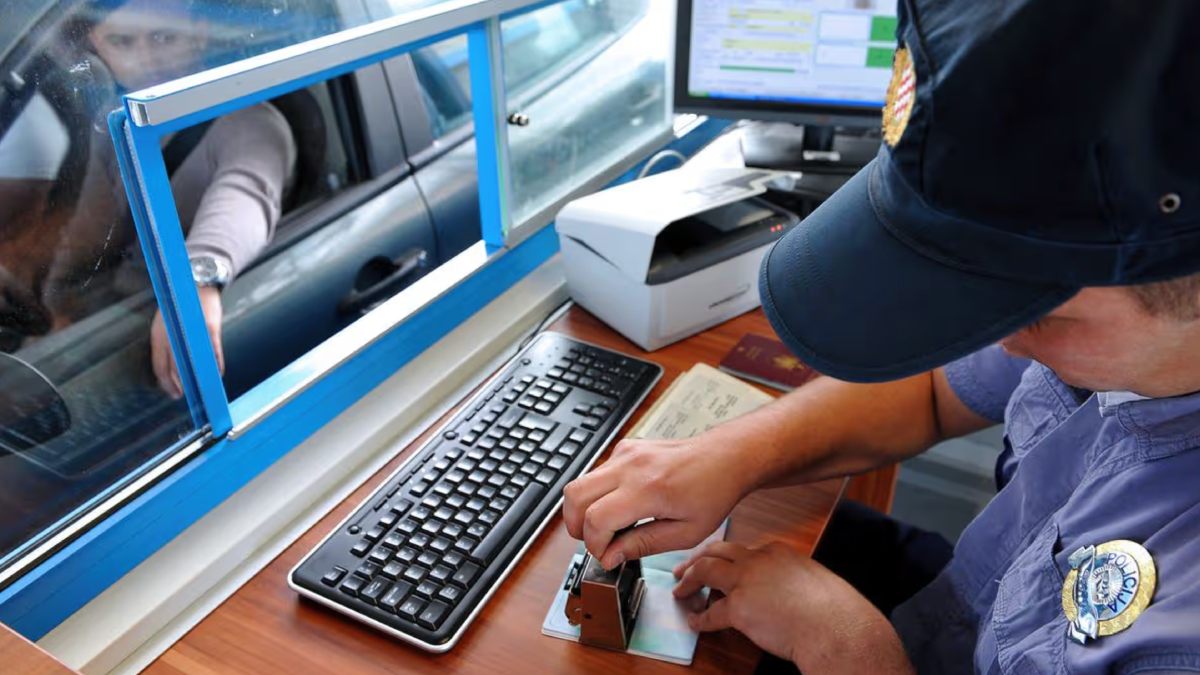
The Entry-Exit System (EES) is the European Union's new digital border control system. It replaces the traditional passport stamp and automatically records entry and exit data for non-European citizens, including biometric information, sharing this information in real time between Schengen Area countries.
One of the system's central functions is to monitor the so-called 90-day rule: citizens of countries such as Brazil, the United States, the United Kingdom, Canada, and Australia can stay in the Schengen Area for a maximum of 90 days within any 180-day period without needing a visa. The EES automatically calculates the length of stay based on entry and exit dates, meaning that anyone who overstays their limit is immediately identified the next time they attempt to cross an external border of the bloc.
Consequences for those who exceed the deadline.
Penalties for exceeding the permitted time include fines and, in more serious cases, a ban on entry into the European Union.
In addition to the 7.000 cases of overstaying their visas, nearly 800 people were prevented from entering the Schengen area because they were considered a threat to internal security, according to the Commission.
Challenges in implementation
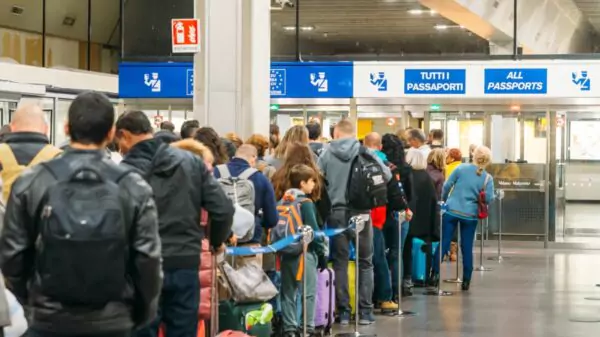
Despite being scheduled for full operation on April 10th, the system is still operating only partially at several entry points, especially at the main border crossings between France and the United Kingdom. The Commission acknowledged that some countries faced infrastructure difficulties, long queues at borders, and problems with self-service systems and biometric data collection. Portugal is one of the countries with the most complaints.
The aviation sector and the travel industry have been requesting flexibility in implementation during the peak of the European summer.
What's next
The Commission's report identifies the following as a priority for 2026 and 2027: ETIAS launchETIAS is a system that will require short-term visitors to register and obtain travel authorization before embarking for Europe. ETIAS is expected to be operational by the end of this year.