

































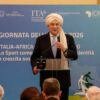
Following the Modena attack, in which a second-generation Italian citizen of Moroccan origin, drove a car into pedestrians, injuring eight people.Italy has opened a debate on citizenship, belonging, and national identity. The program Scanner LiveThe Fanpage.it event brought together parliamentarians, journalists, and writers to question the Italian right's narrative on immigration and security. It was a necessary debate, but incomplete.
No one on the program mentioned the millions of descendants of Italians abroad who, with the Tajani Decree, received from the Italian State a response similar to that which MP Ouidad Bakkali (PD) denounced for second generations within Italy: that they are not Italian enough.

The debate that took place
In the program, Bakkali, a Democratic Party deputy and second-generation Italian with Moroccan origins, directly questioned the stance of politicians like Matteo Salvini after the Modena incident. “Salvini, Bignami, and Vannacci measured the degree of belonging of being Italian: second generation, third, fourth. When are we going to stop counting? When are you Italian, period?” the parliamentarian stated.
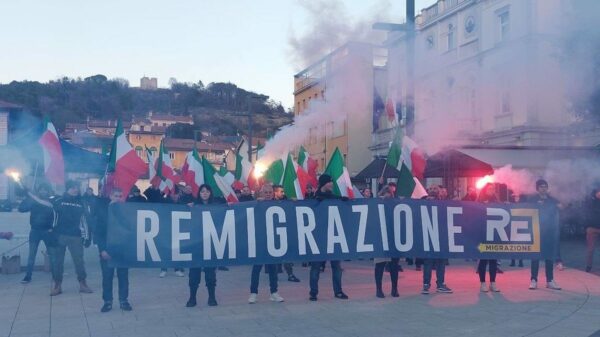
Journalist Eleonora Camilli pointed to the weakening of integration policies as part of the problem. Writer Djarah Kan criticized the association between social deviance and immigrant origin. Journalist Leonardo Bianchi described racial profiling as a systematic practice: "The double standard is evident; the discourse on remigration is simply linked to the surname of the person who committed the crime."
The debate was legitimate and relevant. But it revolved entirely around immigrants residing in Italy and their children born in the country.
The debate that never happened.
O Tajani Decree He applied exactly the same logic—measuring the degree of Italian identity by the effective link to the territory—to millions of descendants of Italians abroad. People who never immigrated anywhere. Who are Italian by blood, by original right, by transmission. jure sanguinis recognized by decades of jurisprudence. And which, with Law No. 74/2025, came to be considered by the Italian State as if they had never acquired citizenship.
Bakkali's question — "when is one Italian, period?" — resonates identically with a great-grandson of Calabrian immigrants born in the interior of Paraná who saw his recognition process retroactively blocked. But this character did not exist in the Scanner Live debate. He does not exist in the Italian public debate on citizenship.
Two weights, two measures
The program rightly criticized the double standard of the Italian right in treating immigrants and their children as second-class citizens. But the Italian debate on citizenship operates its own double standard: it acknowledges xenophobia against those inside, and solemnly ignores the treatment afforded to those outside.
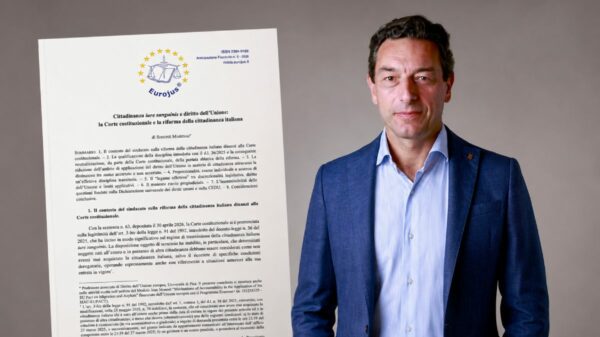
The Italian Constitutional Court, in Sentence No. 63/2026, validated the Tajani Decree with the argument of the “principle of the effectiveness of citizenship” — the requirement of a real link to the territory. It is the same logic that Salvini uses to question the Italianness of Salim El KoudriThe difference is that, in the case of descendants living abroad, no female member of parliament raised her hand to ask: "When are we going to stop counting generations?"
This question remains unanswered. And there's no one to answer it.
FOLLOW ITALIANISM











Jicxjo
May 24 from 2026 at 23: 01
And some people think that identitarianism is exclusive to the left. As you can see, the far-right also loves to divide the population into a bunch of boxes.