



















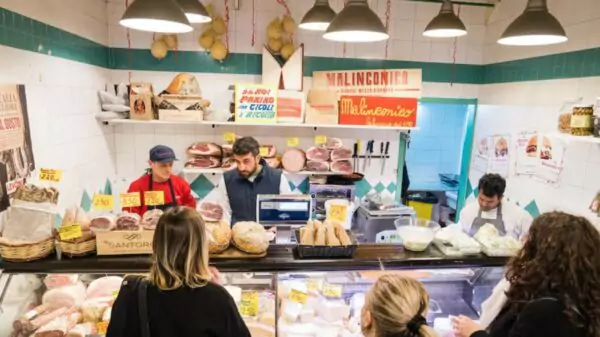


















Brazilians who visit Italy to enjoy its famous cuisine often believe that all Italians are “lucky” and passionate about lasagna, pastas like amatriciana, bolognese and huge pizzas. However, this may be changing. A new gastronomic trend is emerging.
“I’m noticing that more and more Italians are looking for exotic cuisines, moving away from the iconic dishes that define us,” says Roman journalist Silvia Marchetti.

According to Marchetti, many Italians are venturing into Lebanese, Chinese, Japanese, Mexican, Indian and even African cuisines, in search of alternatives to traditional dishes.
A recent survey by the newspaper Il Sole 24 Ore revealed that 41% of Italians aged between 28 and 45 would like to see a greater variety of foreign foods on supermarket shelves, while only 10% prefer more regional Italian products.
The shopping cart is changing
While traditional Italian products are losing ground, the consumption of ethnic products is on the rise.
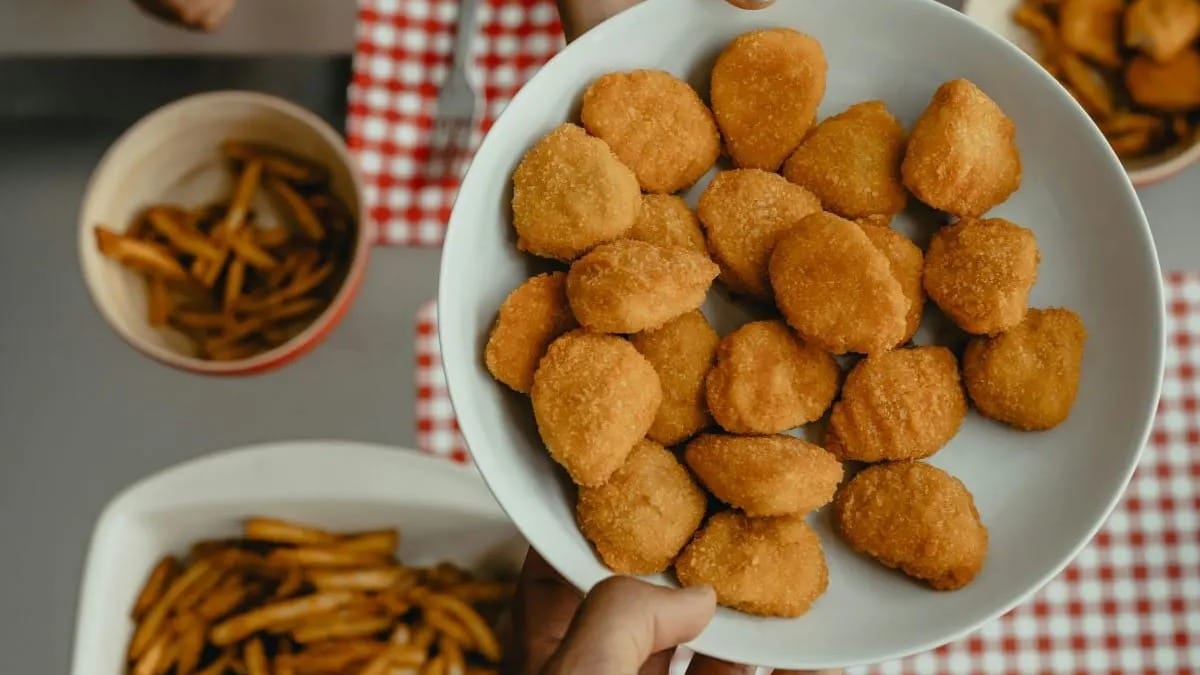
In 2023 alone, the distribution of foreign food generated €600 million, an increase of 7% compared to the previous year. Among the products that most conquer Italians are American-style chicken nuggets, preferred by 72% of the population, kebab by 71%, and sushi, which already pleases 66% of Italians.
Although Italy is the largest rice producer in Europe, alongside Spain, the best-selling rice is now basmati, with 25 tonnes sold in 2023.
Furthermore, sushi dominates the international food market, with supermarket sales reaching €150 million. Instant noodles, couscous, paella and Mexican chips are also on the rise.
This change in eating habits is putting pressure on food industries to offer more international options, to the detriment of traditional Italian dishes.
The same phenomenon can be observed in restaurants. “In my region, north of Rome, three Chinese-Japanese restaurants have opened in the last two years and are always packed. On weekends, families fill these establishments, while the traditional family-run trattorias are empty,” reports Marchetti.
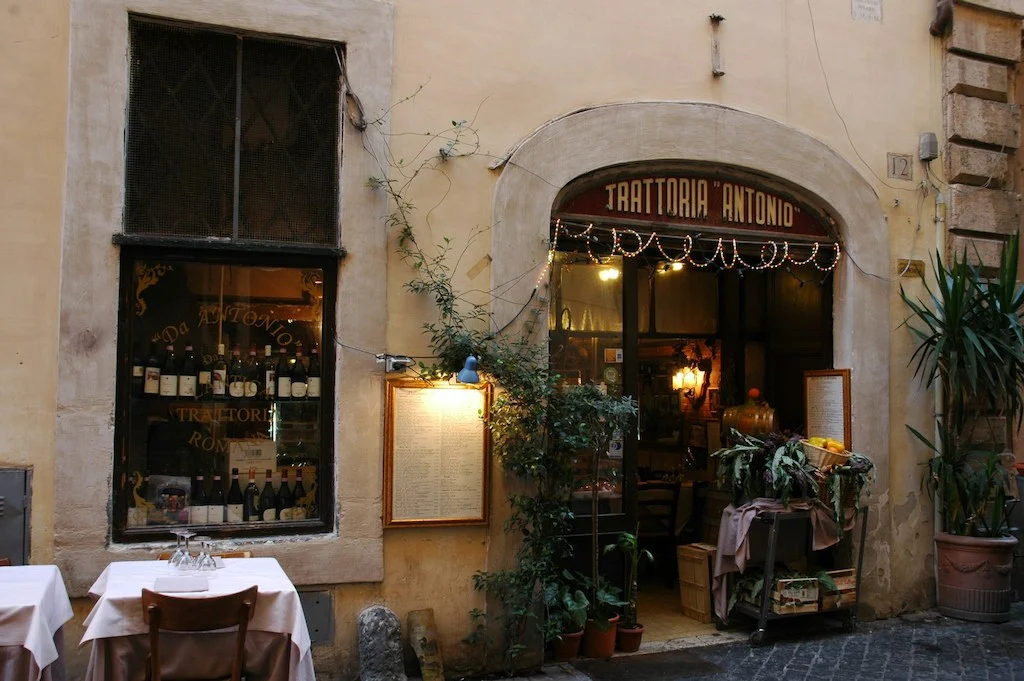
Although the consumption of foreign foods became popular late in Italy, only in the 2000s, the novelty of trying different flavors continues to attract many Italians, especially younger ones. Furthermore, the great diversity of regional Italian dishes may have delayed the emergence of this exotic trend.
For Marchetti, this change is not just due to globalization. Many Italian families are growing tired of recipes passed down from generation to generation, and are increasingly less inclined to cook. “Today, the lack of time and the preference for activities such as going to the gym seem to be factors that contribute to the decrease in time spent in the kitchen,” he says.
The crisis of culinary traditions
“Many of my friends order Chinese or Lebanese takeout three times a week and have replaced homemade jams for their children with American-style peanut butter. Recently, I was surprised to see TV commercials for peanut butter made by Italian companies,” says the journalist.
For her, Italian culinary culture is facing a crisis that is only getting worse. The authenticity and loyalty to grandmothers' recipes are disappearing, and this is mainly due to the fast-paced lifestyle that is replacing the traditional slow pace of Italian life, so admired by foreigners.