
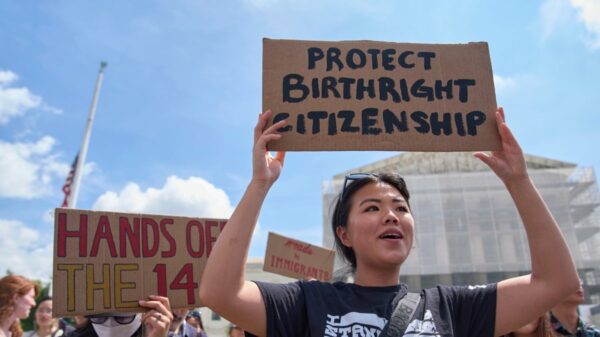

































The United States Supreme Court on Tuesday (30) upheld automatic citizenship for every baby born on American soil and overturned President Donald Trump's decree.which sought to deny the right to children of immigrants without citizenship or permanent residency. The decision was by a vote of 6 to 3..
As a result, the rule based on the 14th Amendment to the Constitution, which has been in place for over 150 years, remains in effect. Anyone born on American soil is a U.S. citizen., regardless of the parents' immigration status. Executive Order 14160, signed by Trump in January 2025, never came into effect.
A rozhodão
The leading vote was cast by Chief Justice John Roberts, joined by Justices Sonia Sotomayor, Elena Kagan, Amy Coney Barrett, and Ketanji Brown Jackson. Justice Brett Kavanaugh concurred with the outcome, dissenting in part. Justices Clarence Thomas, joined by Neil Gorsuch, and Samuel Alito dissented.
Roberts wrote that citizenship is “the right to have rights” and that the authors of the 14th Amendment extended that promise to all born in the country. “We uphold that promise today,” he concluded.
What was at stake
The action, known as Trump v. BarbaraThe case challenged an executive order directing federal agencies to cease recognizing the citizenship of children born in the U.S. when neither parent was a citizen or permanent resident. The government argued that the 14th Amendment, of 1868, was created to guarantee citizenship to newly freed slaves, not to children of undocumented immigrants or those with temporary visas. The majority rejected this argument and reaffirmed the precedent set in United States v. Wong Kim Ark, of 1898.
Who would be affected?
According to Migration Policy InstituteApproximately 255 children are born each year in the U.S. to non-citizen parents and would lose their legal status if the decree had been validated. Immigration agencies warned that some of them could become stateless, without recognized citizenship in any country.
ITALIANISM EXPLAINS
Jus soli vs. jus sanguinis: why this is of interest to the Italian-Brazilian reader
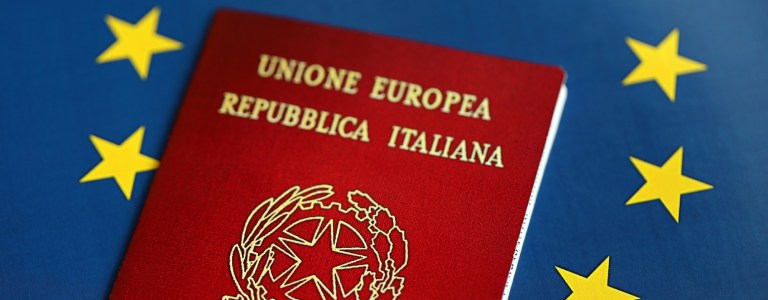
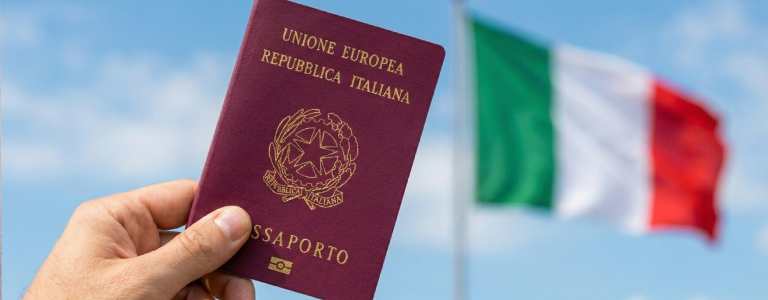
The United States adopts jus soli (right of soil): if you are born in the territory, you are a citizen. Italy adopts jus sanguinis (right of blood): citizenship is based on ancestry, not place of birth. This is why a descendant of Italians born in Brazil can apply for Italian citizenship, while American citizenship depends on being born on US soil. Brazil, like Canada, Argentina, and Mexico, follows the jus soli model; much of Europe follows the jus sanguinis model.