

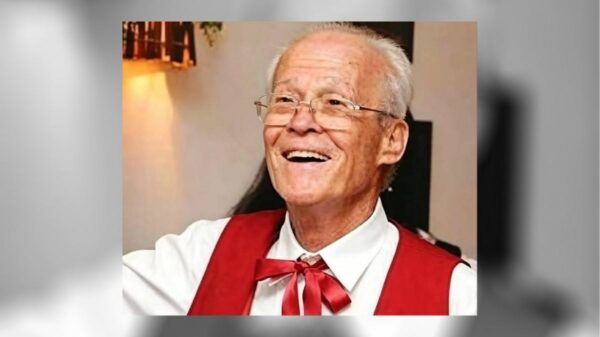




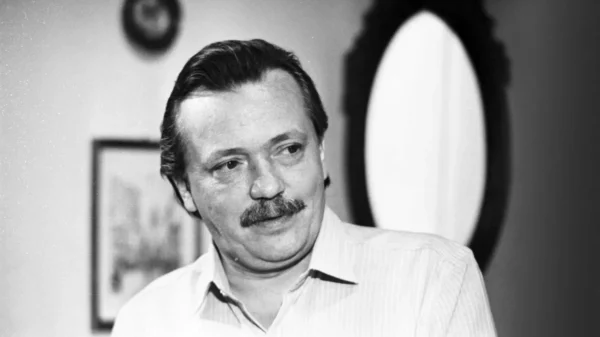


















The lawyer died in the early hours of this Tuesday (23), in Santa Teresa, in Espírito Santo. Antonio Angelo Zurlo, founder and former president of Circolo Trentino di Santa TeresaGrandson of Italian immigrants, he dedicated his life to preserving the memory of Trentino immigration in Brazil and to the environmental conservation of the region.
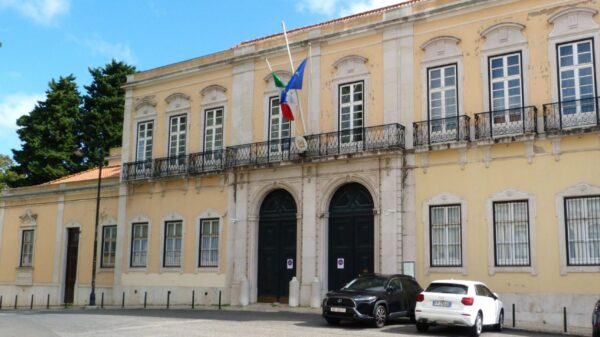
According to family members, Zurlo was hospitalized and died during the early hours of the morning. His body will lie in state at the Santa Teresa City Hall, where he also served as a city councilman.
Who was "Dr. Zurlo"?
Born in the countryside of Santa Teresa, Zurlo was known in the city as "Dr. Zurlo". In addition to the Circolo Trentino, he presided over and helped found the Historical and Geographical Institute of Santa Teresa, with activities focused on culture and citizenship.
He also left an environmental legacy. Owner of a 91,6-hectare rural area of Atlantic Forest in Vale do Sol, he and his wife allocated 70,06 hectares to the creation of a Private Natural Heritage Reserve (RPPN), registered with IEMA. The area connects the Augusto Ruschi and Santa Lúcia reserves.
Authorities regret the death.
The mayor of Santa Teresa, Kleber Medici, announced three days of official mourning. In a statement, he described Zurlo as "one of the great figures in the history of Santa Teresa" and highlighted his role in valuing the heritage left by Italian immigrants.
Italian sociologist Renzo Grosseli, author of research on Trentino immigration in Espírito Santo, also expressed his sorrow. A friend of Zurlo for about 40 years, he received the news in Trentino, Italy.
“Zurlo was special. He not only loved the culture, he loved his history, being Brazilian and being Italian. He was a great native of Espírito Santo and a great native of Trentino. He spoke a perfect dialect, which he learned from the first immigrants,” said Grosseli.
Roots in the first expedition
Grosseli pointed out that Zurlo was the grandson of Abramo Zurlo, a member of the Tabacchi expedition, which marked the beginning of mass Italian immigration to Brazil in 1874.
The family was among those who left the business in Santa Cruz, now Aracruz, and moved to the region where it is located today. Santa Teresa, identified as the first city founded by Italians in Brazil.
(With information from Tribuna Online)