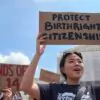
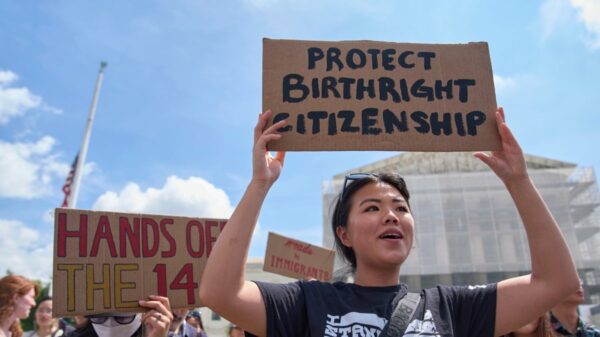











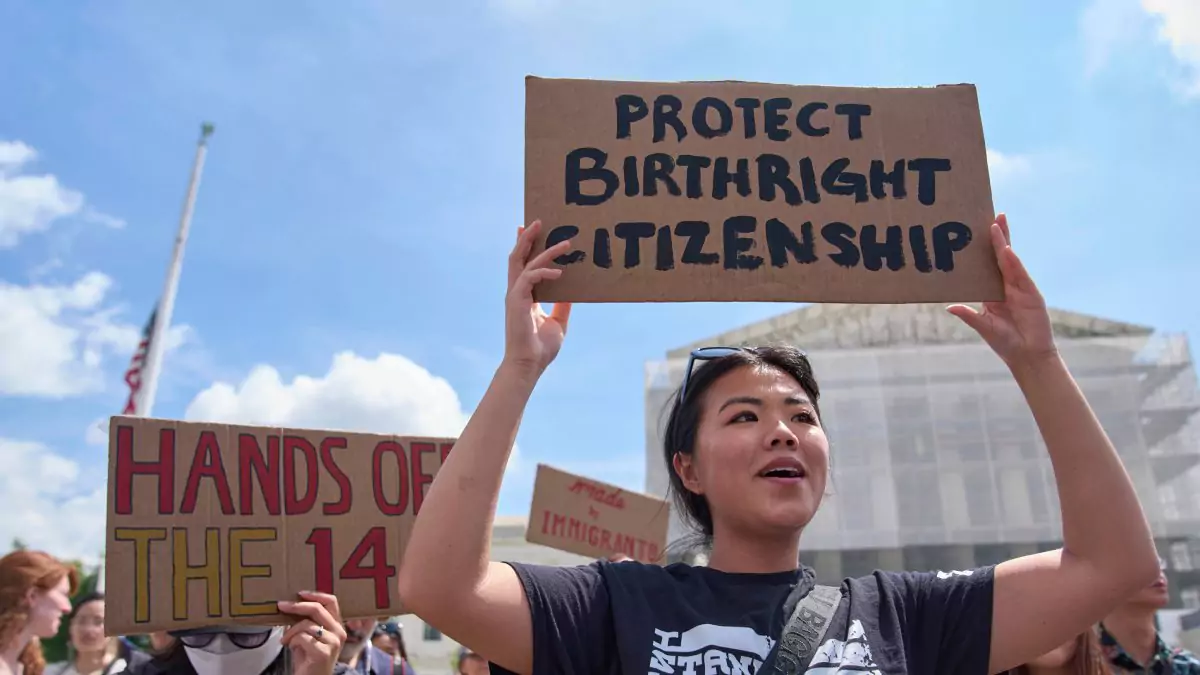
The United States Supreme Court is set to decide on Tuesday (30) the future of birthright citizenship in the country, in one of the most anticipated trials of the year. At stake is the president's decree. Donald Trump which aims to deny automatic citizenship to children of immigrants without citizenship or permanent residency.
The case, known as Trump v. BarbaraThe case was brought to trial on April 1st, and the verdict is expected before the Court's summer recess in early July. So far, the decree has never taken effect, blocked by court rulings since January 2025.
What the Court must decide
The dispute revolves around five words of 14th Amendment to the Constitution, from 1868: "subject to the jurisdiction thereof" (Subject to its jurisdiction, in Portuguese). The government argues that the rule was created to guarantee citizenship to newly freed slaves, not to children of foreigners in irregular situations or with temporary visas. Those contesting this rely on precedent. United States v. Wong Kim Ark, of 1898, which, in their interpretation, guarantees citizenship to practically anyone born on American soil, with rare exceptions.
Much of the debate during the oral argument revolved around the word "domicile." When questioning the government representative, Judge Neil Gorsuch even said, "I don't know how much you want to rely on Wong Kim Ark."
Possible scenarios
Analysts who followed the trial believe that most judges were skeptical of the government's position. The prevailing interpretation points to a victory for the challengers, with the score speculated to be between 7-2 and 6-3, and Justices Clarence Thomas and Samuel Alito as likely dissenting votes.
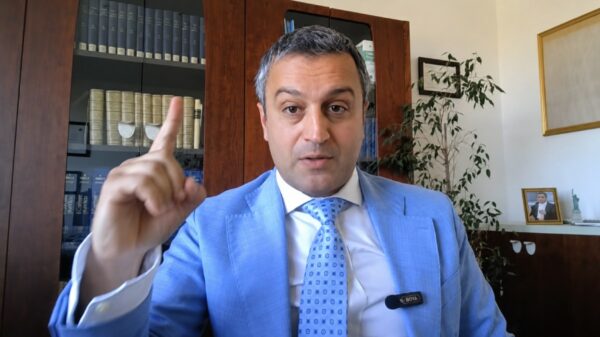
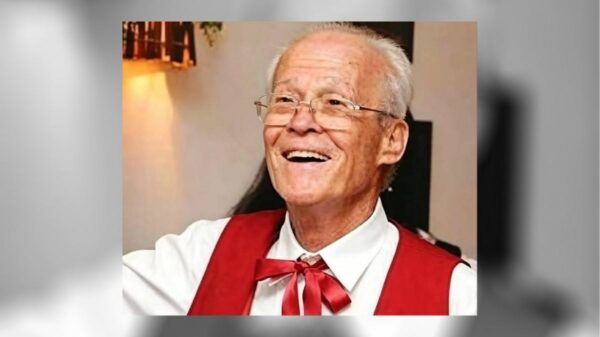
To John Paul Perim ZagoAccording to a citizenship expert and enthusiast on the subject, the difficulty in reaching a unanimous decision lies in the very mechanics of the Court. “To achieve unanimity, you need a guiding principle that everyone will follow, even if there are specific disagreements. It's very common to have concurrences, opinions that run parallel but aren't entirely identical, and dissents, which are sometimes also specific. A 9-0 decision is difficult. I believe it will be 6-3 or 7-2, at most 8-1,” he states. Concurrence, or concurring vote, is when a judge agrees with the result, but based on their own grounds.
He believes that Judge Clarence Thomas should side with the government.
In this scenario, jus soli, the right of citizenship by soil, would be maintained.
A second possibility, considered less likely, is a narrow 5-4 victory for the government, validating the reinterpretation of the 14th Amendment based on the "domicile" criterion of the parents. There is also a third path: the Court could decide on a more restricted point, related to the scope of preliminary injunctions, without definitively ruling on the constitutional merits, which would postpone the final decision.
Chief Justice John Roberts summed up the skepticism of some judges when responding to the government during the hearing: “Well, it’s a new world. It’s the same Constitution.” Justice Sonia Sotomayor warned of the effects of a potential government victory: “The government could try to denaturalize people who were born here as undocumented residents.”
Who is affected?
According to Migration Policy Institute, Approximately 255 children are born each year in the USA. of non-citizen parents, and would be affected if the decree were validated. Immigration agencies warn that some of them could become stateless, without recognized citizenship in any country.
ITALIANISM EXPLAINS
Jus soli vs. jus sanguinis: why this is of interest to the Italian-Brazilian reader
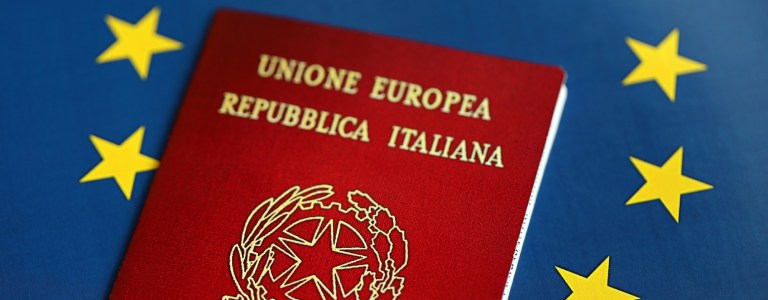
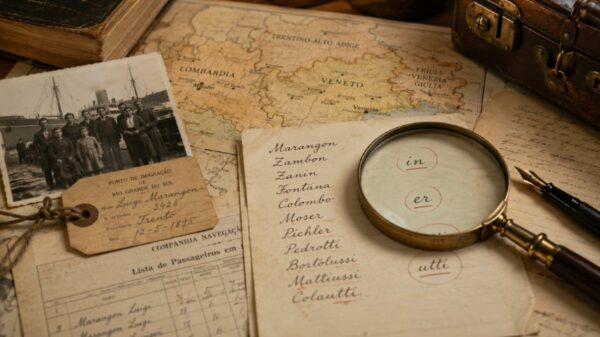
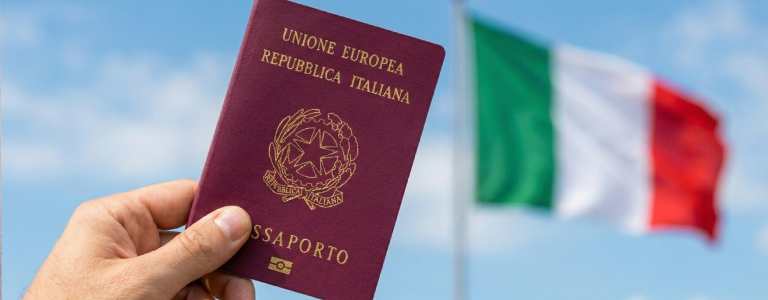
The United States adopts jus soli. (land rights)If you were born in the territory, you are a citizen. Italy adopts the principle of jus sanguinis. (right of blood)Citizenship is based on ancestry, not place of birth. That's why a descendant of Italians born in Brazil can apply for Italian citizenship, while American citizenship, until now, has depended on being born on US soil. Brazil, like Canada, Argentina, and Mexico, follows the soil model; much of Europe follows the blood model.