






























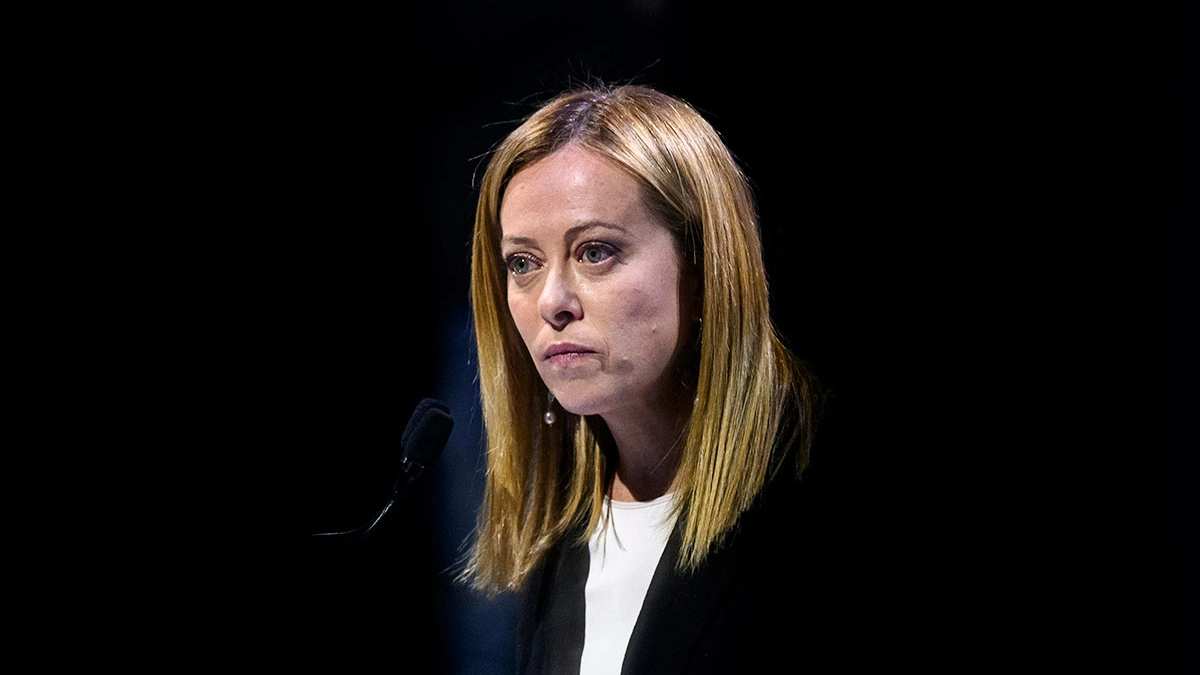
A year after Giorgia Meloni took office as Prime Minister of Italy, it is clear that the press and European democracies that were initially concerned about her electoral victory have had to reassess their approach.
Meloni did not show himself “bogeyman” that many preached. We will analyze this positive critical shift in Italian politics.
Rejecting labels
Initially seen as a controversial figure, Meloni sought to distance herself from the neo-fascist image that followed her.
She introduced herself as a “outsider“, despite having a long political career, which was interpreted by some as a populist tactic.

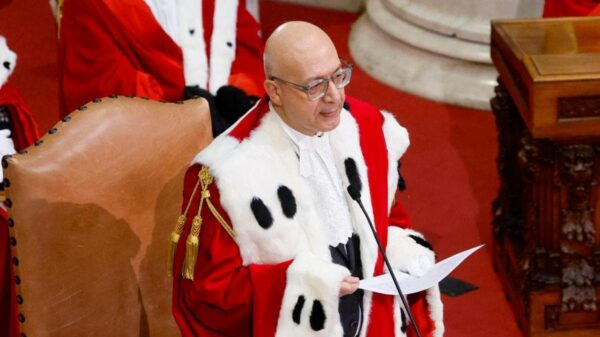
The Supreme Court reaffirmed: citizenship is born with the person.
- New legal front opened
- Processes can still be filed.
- Individual assessment before any decision.
However, throughout his first year in office, Meloni demonstrated that its policies and actions speak louder than labels.
She not only governed with stability, but also worked towards a more pragmatic and efficient Italy.
Migration policy
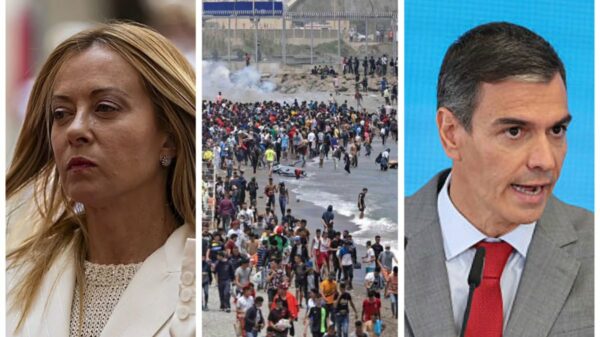
One of Meloni's main promises was to make security a distinctive feature of his government.
She sought to put an end to illegal departures and human trafficking in the Mediterranean.
While some of his policies have generated controversy, such as the proposed naval blockade, it is important to note that Meloni's approach is ultimately aimed at ensuring the security of Italy's borders.
She also sought to collaborate with neighboring countries, such as Tunisia, to contain the arrival of migrants, even if these agreements have encountered obstacles.
Civil rights
In the field of civil rights, Meloni adopted traditional and conservative policies, which generated debates on issues such as same-sex families and surrogacy.
She defended the traditional family as the basic cell of society. Although her policies have been criticized by some, it is important to highlight that her approach Meloni reflects the opinion of a significant part of Italian society.
Foreign policy
One of Meloni's biggest changes was the evolution of his initially anti-European stance.
She realized the importance of closer cooperation with European institutions and adopted a more balanced stance towards Russia.
Although he faced difficult times distancing himself from members of his own party who expressed support for Putin, Meloni pursued a more pragmatic approach to international relations.
In short, Giorgia Meloni's first year in charge of Italy demonstrated stable and protocolized leadership, which did not fit into the initial expectations of her electoral victory.
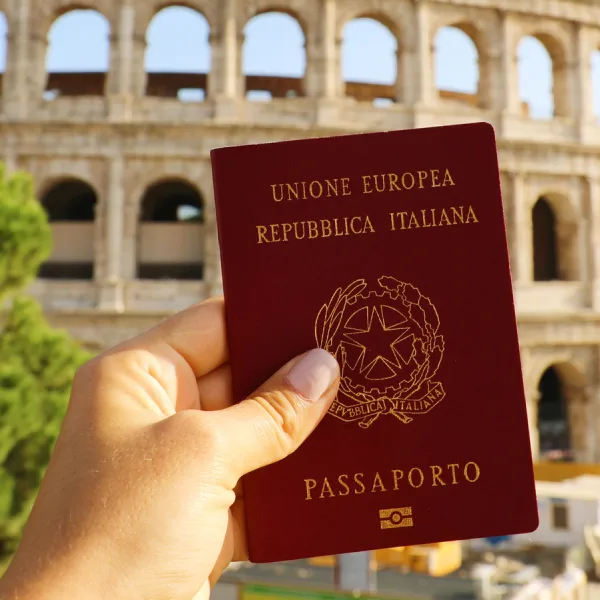
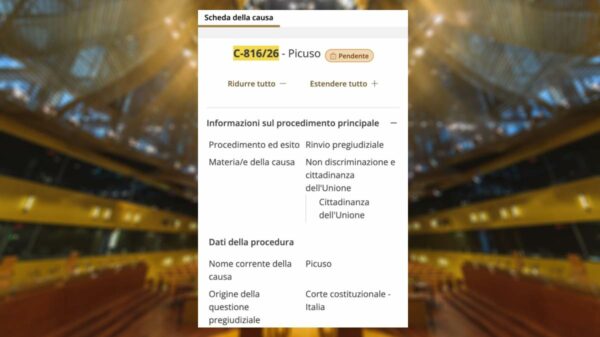
The Constitutional Court's decision changed the landscape. The new citizenship law will now be reviewed by the European Union's courts of justice.
She sought to distance herself from political labels and worked to make Italy safer and more efficient, despite facing challenges regarding migration policy.
His conservative policies may not be universally accepted, but they reflect the views of a significant portion of the Italian population.
Meloni also realized the importance of a more cooperative approach to international relations.
It now remains to be seen how it will continue to shape the Italian and European political landscape.